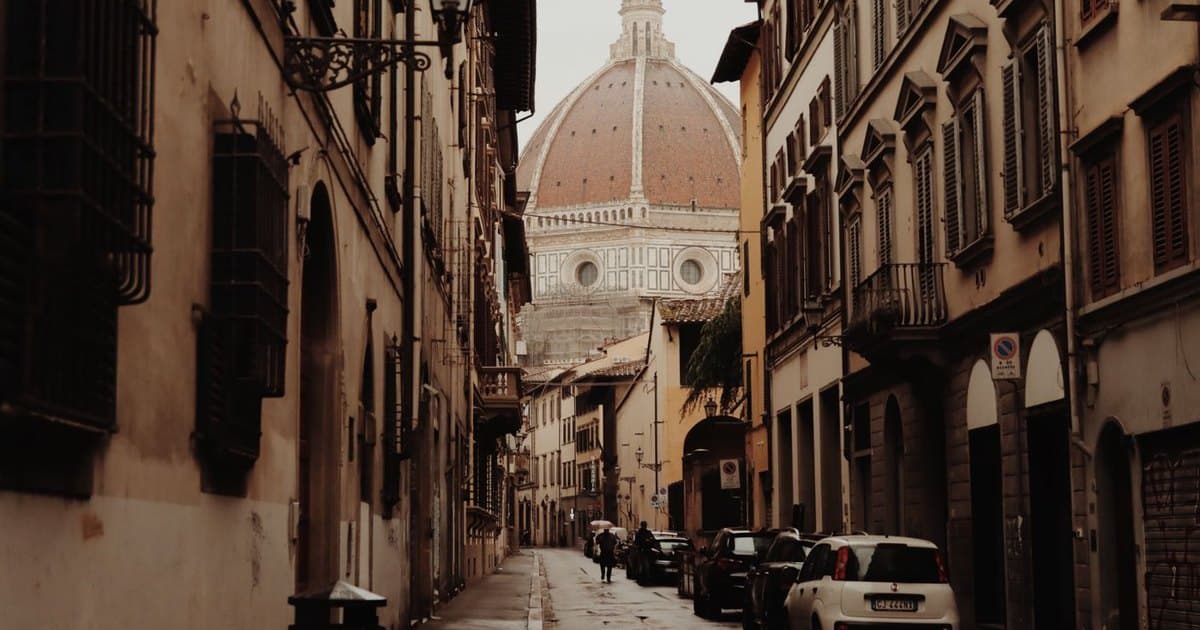
Rain in Florence takes away Piazzale Michelangelo, the Boboli Gardens and the walk along the Arno. In exchange it gives you half-empty museums and artisans with time to talk, the two hardest things to get in this city when the sun is out.
Here is how to build an indoor day that is not a fallback.
The rule: book the morning, improvise the afternoon
The big museums fill up in the rain. The Uffizi, the Accademia and Palazzo Pitti are the first idea of everyone who had planned to be outside, and by eleven the queue is there anyway. If you want them, book a timed entry the night before.
The afternoon, on the other hand, is the moment for the small places, where there is never a queue because nobody goes.
The museums that stay empty even in the rain
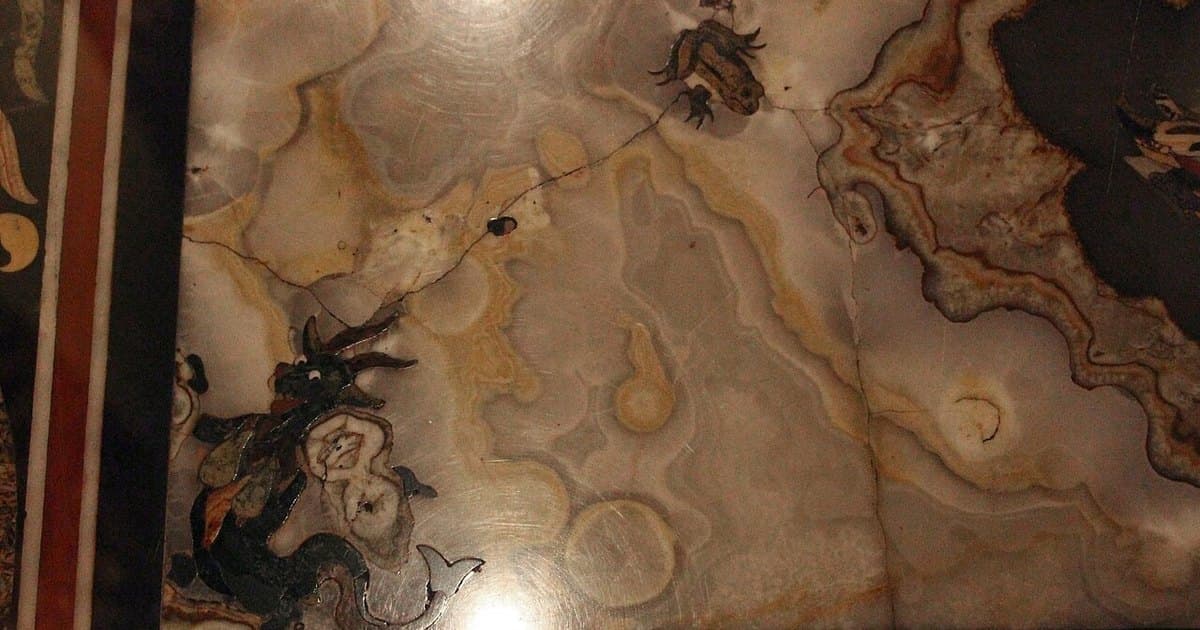
- The Opificio delle Pietre Dure Museum: ten rooms on Florentine commesso, the technique that builds a picture by butting slabs of stone instead of applying colour. Small, done in an hour.
- The Palazzo Davanzati Museum: a fourteenth-century Florentine house that stayed a house, with furnished rooms. It explains how people lived better than any wall panel.
- The Museo dell'Opera del Duomo: this is where the originals removed from the façade and the Baptistery ended up. What you look at outside in the square is largely copies.
- The Palatine Gallery inside Palazzo Pitti: paintings hung the way the grand dukes hung them, three rows deep, not in textbook order.
Workshops: the option almost nobody considers
An artisan workshop is the driest and most interesting place in a city under rain, and it has an advantage a museum does not: somebody talks to you.
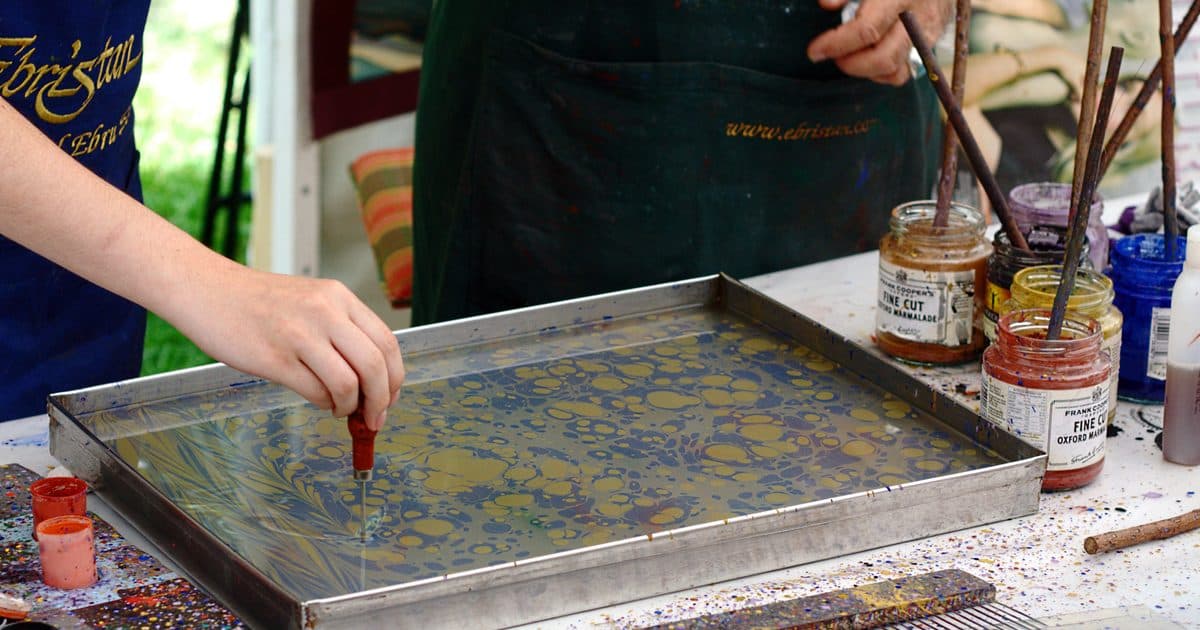
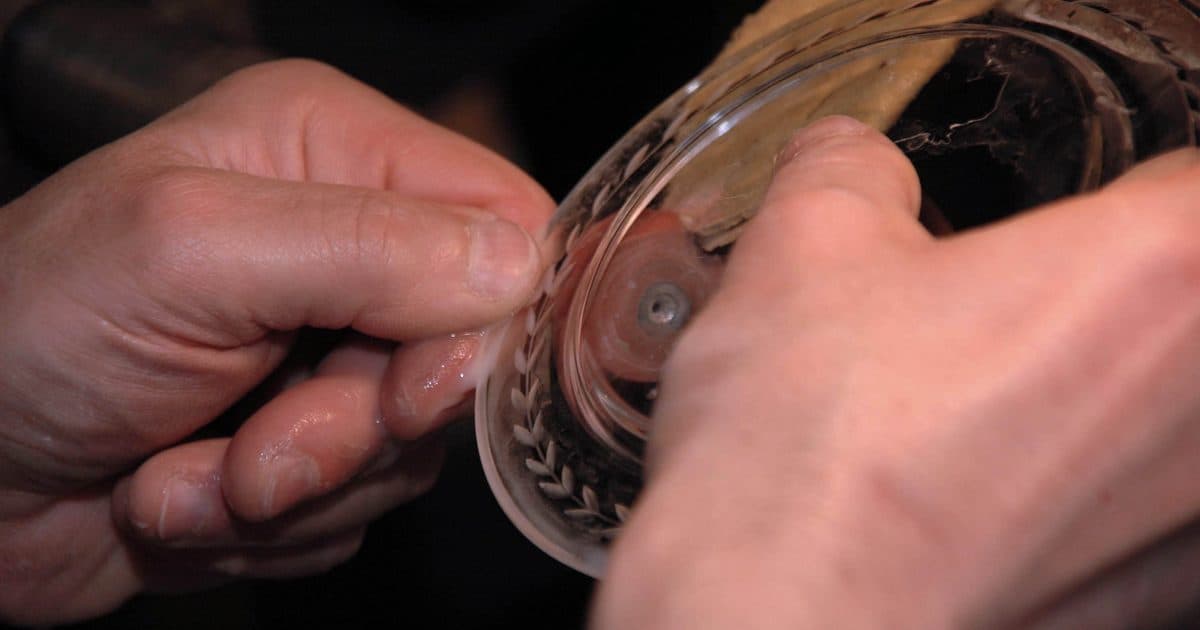
Florence has pottery, bookbinding, marbled paper, leather, goldsmithing, mosaic and weaving workshops running two or three hour sessions, often in groups of four to eight. No skill is required, and you go home with an object you made — the only Florence souvenir nobody else has.
How to choose without getting it wrong
- Look at how many people fit. Above ten it is not a workshop: it is a demonstration with a takeaway piece.
- Ask what you take home and when. Some processes — fired ceramics, for instance — need days: either it ships, or you collect later.
- Check who runs it. If the name of the person doing the work appears nowhere, that is a signal.
- Read reviews from people who actually went, not the star count.
The rest of the day
- The Mercato Centrale at San Lorenzo: food market on the ground floor, the upper floor entirely covered and easy to sit in for a while.
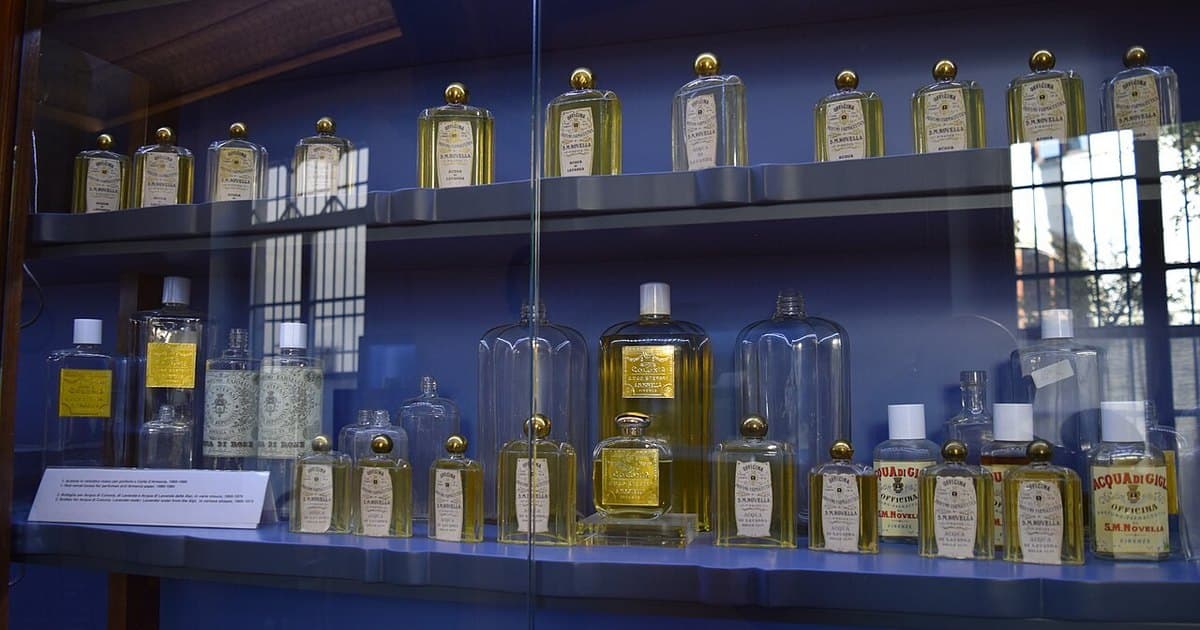
- The historic pharmacies in the centre: walk in, look, buy nothing. The rooms are worth the visit on their own.
- The churches: Santa Maria Novella, Santa Croce, the Carmine with the Brancacci Chapel. Museums nobody calls museums.
- An antiquarian bookshop or a bindery: in Florence paper is a serious trade, and it shows.
Two things not to do
Do not wait for it to stop. In a city where everything is inside something, rain only costs you the time spent looking out of the hotel window.
Do not buy the umbrella from the first street stall. It lasts one shower. If it is really raining, a jacket and free hands are better: in a workshop an umbrella is a nuisance.
Frequently asked questions
- Should I book museums if it rains?
- Yes, especially the Uffizi, the Accademia and Pitti: rain fills them with people who had planned outdoor activities. Book a timed entry the night before.
- How long does an artisan workshop last?
- Usually two to three hours. Processes that need firing or drying involve later collection or shipping of the object.
- Do I need experience to join?
- No. Visitor workshops start from zero: the Maker prepares materials and tools and takes you through step by step.
- What is the most underrated museum in Florence?
- Palazzo Davanzati and the Opificio delle Pietre Dure Museum are the two that stay empty even in high season, and both take about an hour.
Indoors, with real places and a Maker guiding you.
See artisan workshops in Florence