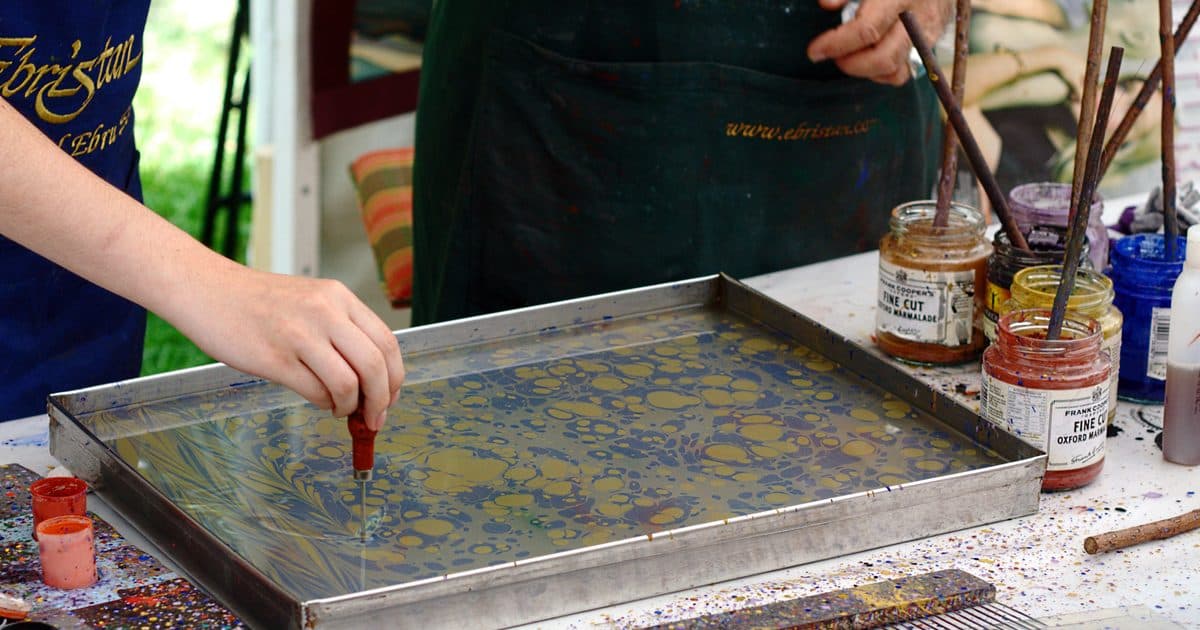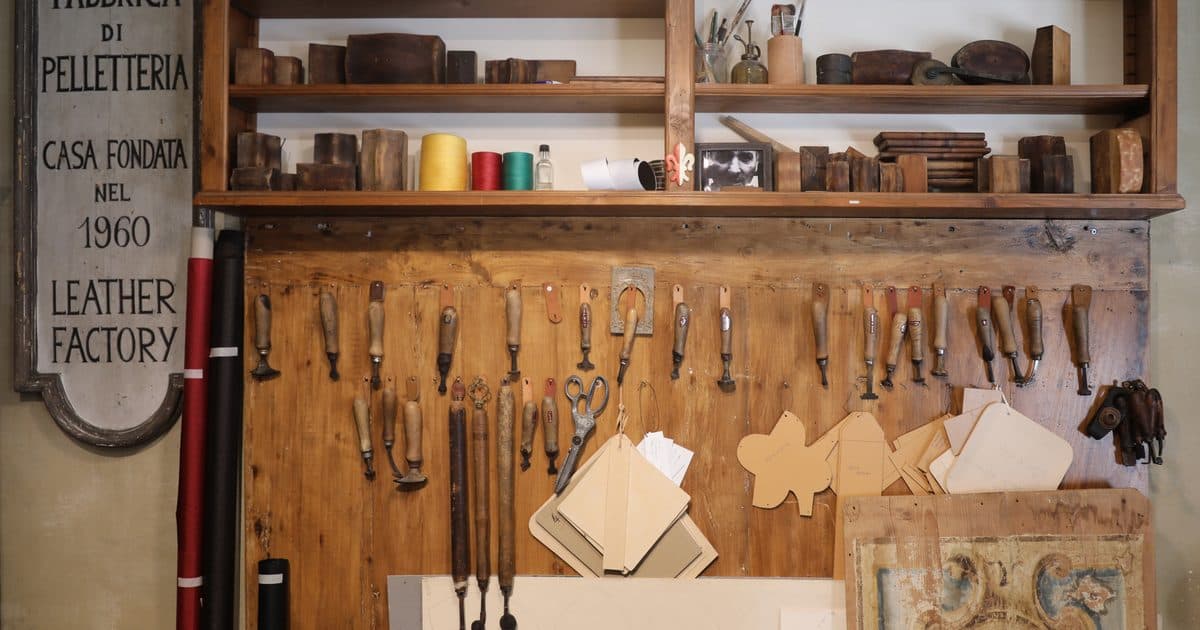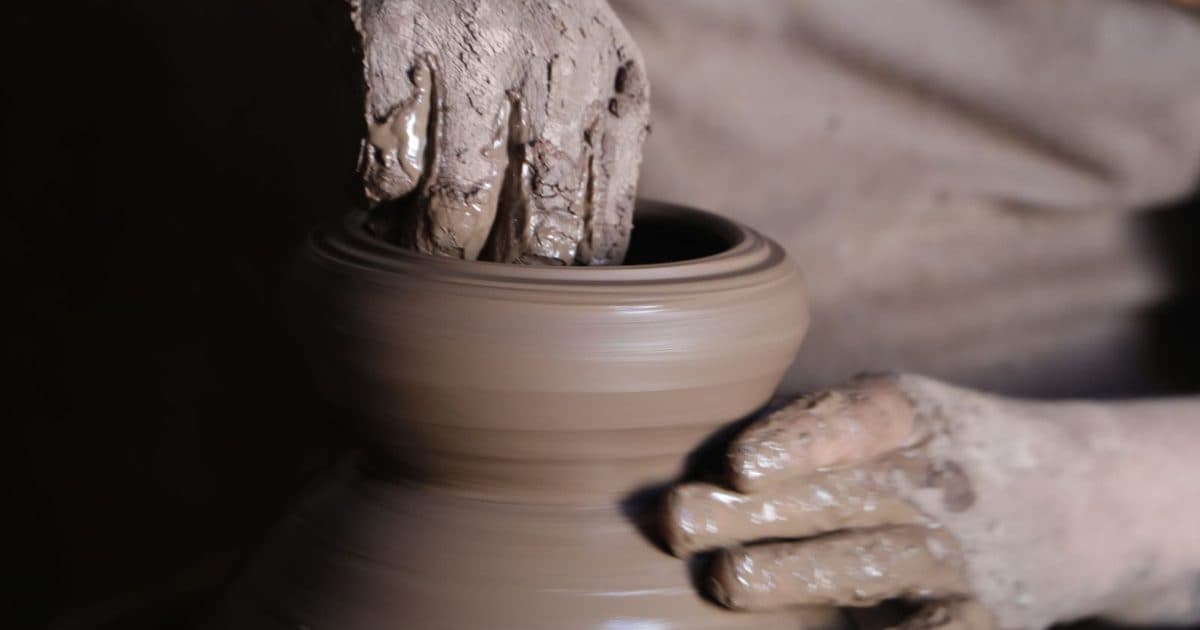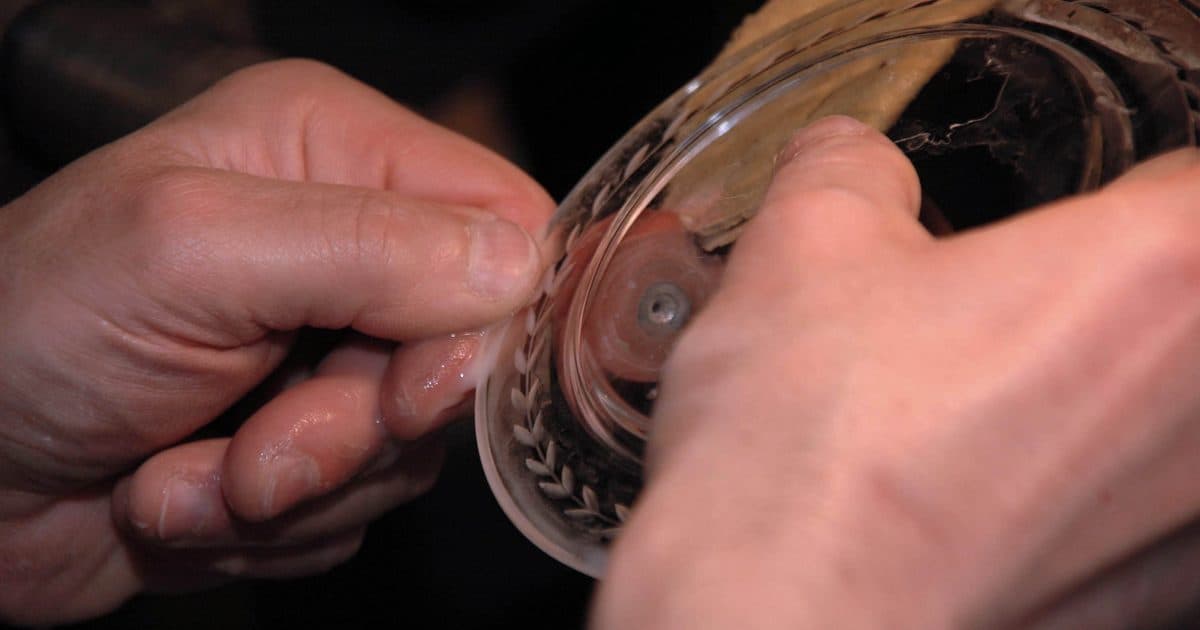
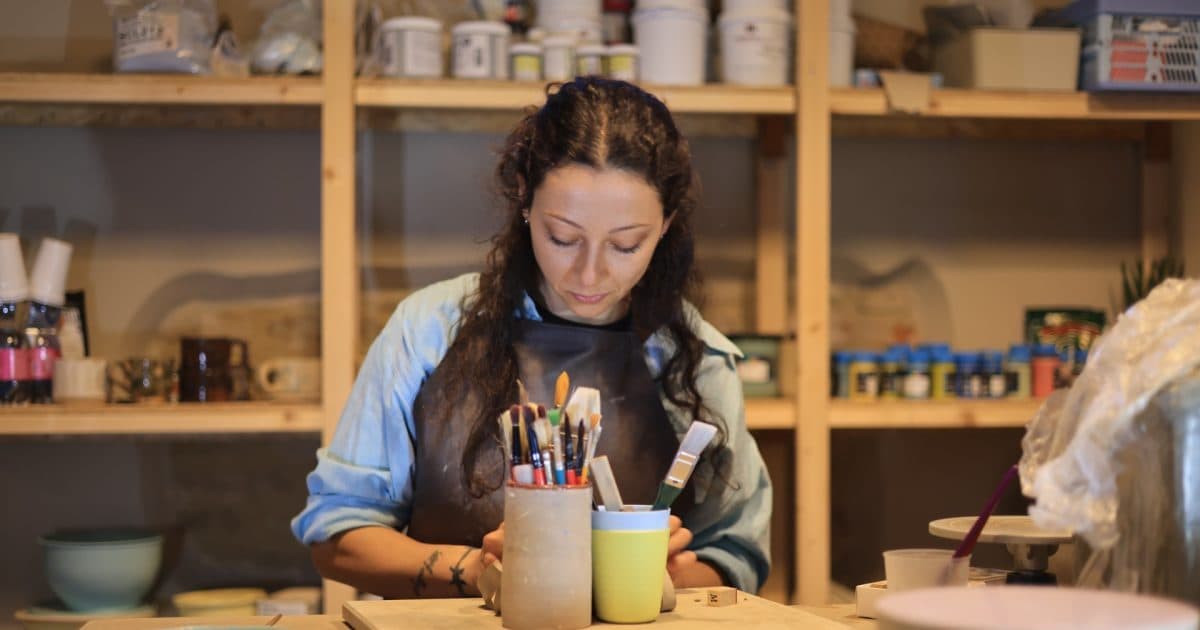
You are on the south bank of the Arno, nose pressed to a glass door, someone inside is hunched over a bench, and the question is the obvious one: can you go in and try, or is this a look-but-don't-touch situation? In Florence the honest answer is: it depends which door you are standing in front of. Some workshops have a seat at the bench you can book, with a date, a time and an object you carry home. Many others let you watch and buy, nothing more. A few, behind a convincing workshop set, do very little handwork at all.
The Oltrarno is the left bank of the river: San Frediano, Santo Spirito, San Niccolò, the lanes climbing towards Forte di Belvedere. It is the part of Florence where manual work still has a street address, which is exactly why the workshop look sells so well here. This guide is about telling the cases apart before you ring the bell, so you don't ask for a lesson from someone with a delivery due tonight, and you don't pay for a workshop from someone who doesn't actually run one.
Shop window, working workshop, teaching workshop
- The shop that sells. A retail space styled as a workshop: tools on the wall, a bench in view, a few raw pieces artfully placed. Most of the product comes from elsewhere or gets its final touches on site. You walk in, you buy, you leave.
- The workshop that works. Real production, often to order: the bench is busy and whoever greets you has their hands full. You can watch, ask a question, buy a finished piece if there is one. Time to teach you, though, they do not have.
- The workshop that teaches. They have decided to open the bench to visitors and organised it: published dates, a stated duration, limited seats, materials ready before you arrive. Here the seat at the bench really exists, and you book it like a table.
None of these doors is wrong. Trouble starts when you mix them up: you want a hands-on experience, walk into the shop and leave with a keyring, or you ring at a production workshop and meet the strained courtesy of someone on a deadline.
How to spot a workshop where real work happens
- The bench is dirty with work: leather offcuts, wood shavings, plaster dust, drops of glue. That mess isn't staged, it accumulates.
- The tools have worn handles and sit within reach, not lined up on the wall like museum pieces.
- There are pieces at different stages: something cut but not stitched, a frame waiting for its gilding, a freshly thrown cup beside a glazed one. Shop windows display only finished goods; workshops live with the half-done.
- The smell. Leather, turpentine, hide glue, wet clay: every trade has its own, and you catch it from the doorway.
- The products resemble each other without being identical. Small differences between pieces are the signature of a hand; perfect uniformity is the signature of a machine.
- The person inside looks up, says hello and keeps working. The most reliable signal of all.
The opposite signals should lower your expectations: staff who never touch a tool, the word workshop on the glass with no date next to it, packaging for the passing tourist, identical items on every shelf. That doesn't make the place dishonest; it means its trade is selling, not teaching.
When the seat at the bench is real: what to check before ringing
A workshop that teaches says so in ways you can verify, not with a generic sign: a calendar with precise dates, a stated duration, a maximum group size, a list of what's included (materials, tools, apron) and a description of what your hands will do, step by step, up to the object you take away. If the page tells you the family history and never what happens at the bench, you are reading a shop window. For more on reading a listing, see how to choose the right workshop.
- Look from the street and apply the signals above: real work or a set?
- Look for a date, not a promise. A published calendar with visible free seats is the proof that the bench actually opens.
- Read what you take home and how long it takes: a small, finished object is realistic in one session; a masterpiece is not.
- Check how you pay and how you cancel: anyone running this properly has written rules, including on cancellations.
- Book, then arrive at the appointed time: the bench is yours only in the slot you chose.
You recognise a workshop by its noise and its smell long before you read the sign.
On Handsome, the people who teach are registered as Makers, with a VAT number, or as Apprentices, and every listing shows exactly these elements: dates, duration, seats, what's included, what you take away. You book and pay online, so when you ring the bell nobody has to wonder who you are. For a sense of what one session in the city can produce, from leather to paper, read our guide to artisan workshops in Florence; for the Oltrarno's most sought-after trade, our piece on leather workshops in Florence explains how to pick the person who puts you at the bench. If you're in town for several days, book before you leave home: bench seats are few per session, shop windows are always open.
What makes the price of a bench seat go up or down
Figures vary from one workshop to the next; the variables don't. Duration: a few hours and a full day cannot cost the same. Materials: a whole hide costs more than offcuts, a precious metal more than a base one. Maximum group size: fewer people at the bench, more of the teacher's time each. Then private versus group format, the language the session is taught in, and the final object, because a glasses case and a handbag don't need the same hours or the same leather. A high price with none of these reasons behind it deserves a question; a low price for a long session with fine materials deserves a doubt.
Frequently asked questions
- Can you actually go inside a craft workshop in Florence and try the work?
- Yes, but only in workshops that have organised a seat at the bench: published dates, stated duration, limited seats, materials ready. In production workshops you watch and buy, not work; in shop windows you just buy. The most reliable proof is a bookable calendar.
- How do I know if an Oltrarno workshop is real or a tourist shop?
- Look at the bench: if it's dirty with work, with worn tools and pieces at different stages, it's a producing workshop. If every item is identical, the tools are decorative and nobody ever works, it's a shop. The smell of the trade and a person who keeps working while greeting you are the most reliable signs.
- Can I ask to try at a workshop that doesn't run classes?
- You can ask politely, but expect a no: someone producing to order has neither the time, spare materials nor insurance to put a stranger at the bench. Better to look for people who have already decided to teach.
- How long is a workshop in an Oltrarno bottega and what do you take home?
- It depends on the format, from a few hours to a full day. In a short session you finish a small, complete object: a leather card holder, a hand-bound notebook, a decorated tile. More demanding pieces need long formats or several meetings. The listing should tell you before you book.
- How do I book a Florence workshop on Handsome?
- From the workshop page: pick the date, choose the seats, pay online and receive a confirmation with the address and time. Cancellation rules are the same for every workshop on the platform and are published before you pay.
Real dates, limited seats, online booking and payment
Find a seat at the bench in Florence