During Milan Design Week the city turns into a route. People move with a map and a pace to keep: they walk in, look around, take a photo, walk out. Anyone running a showroom in a design district knows the real problem of the Fuorisalone, the city-wide programme that runs alongside the furniture fair: it isn't getting people through the door, it's getting them to stay. One of the most concrete answers is a live craft workshop inside the space: a Maker working in full view every day, a bench where visitors can get their hands on the material, and an object that leaves with them.
If you're wondering what to organise in your showroom during Design Week, here is the short version: a continuous craft station, meaning a real working bench with Makers rotating in shifts, materials restocked every evening and a short hands-on moment for whoever walks in. Not a one-night launch party, but something that holds up for the whole week with a single point of contact running it. This guide covers how it's set up and why it makes sense to hand it to us.
The Fuorisalone problem: everyone passes, nobody stays
In the design districts, from Brera to the Tortona area, from Isola to Lambrate, attention is the scarce resource. Every street is lined with openings, every courtyard has an installation, every doorway promises something. The Salone del Mobile and the Fuorisalone listings get you found, but the map only brings people as far as the door. What happens inside, in the first few moments, decides whether the visit lasts as long as a photo or as long as a conversation.
- The aperitivo-hour cocktail fills the room but doesn't hold it: people drink, say hello, snap a picture and move on.
- The installation with nobody around it is stunning in photos and silent in person: nobody asks a question because there's nobody to ask.
- The printed gadget by the exit ends up in a tote bag with the ones from every other showroom, indistinguishable.
Why a live workshop makes people stop
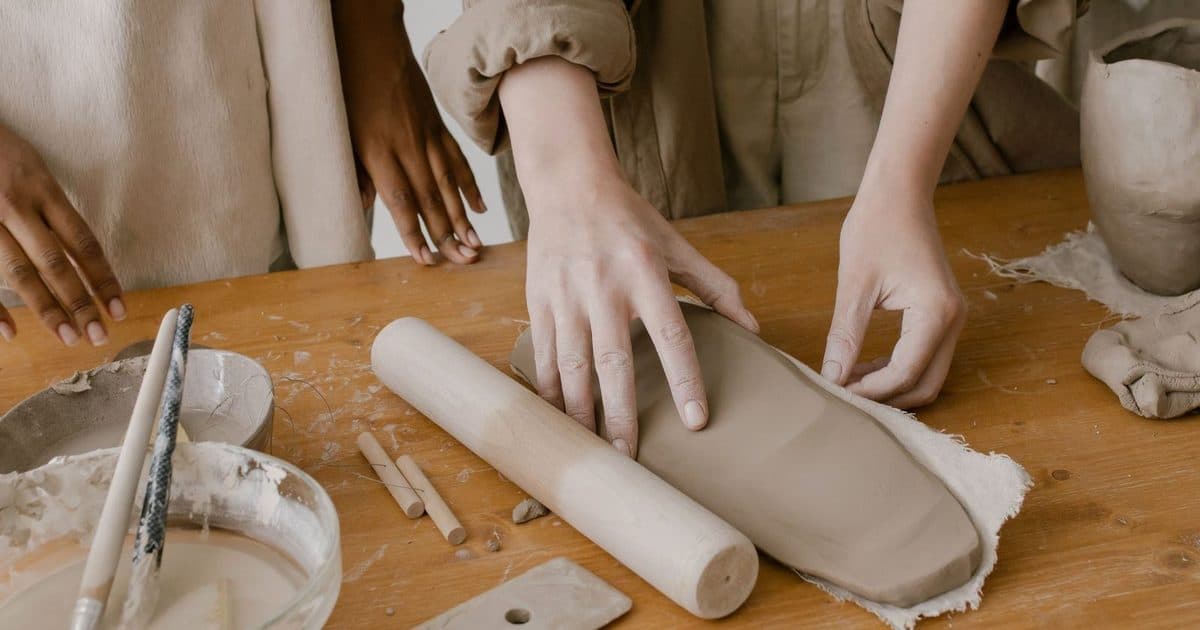
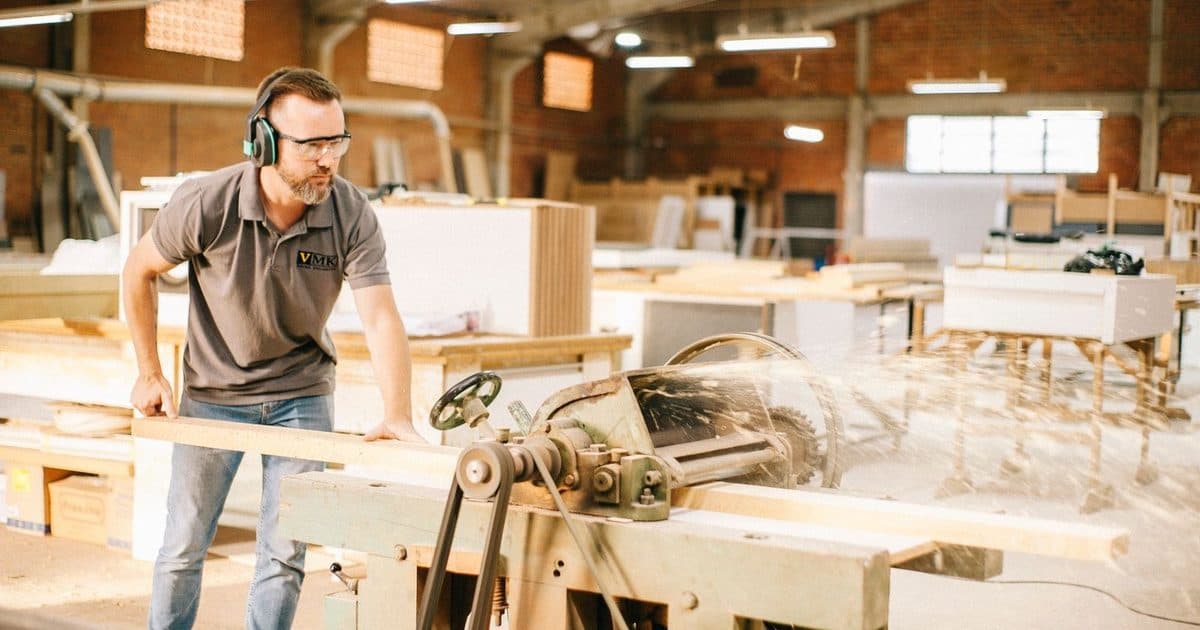
Someone working with their hands is a fixed point in a space where everything flows. The sound of a gouge on wood, the smell of freshly cut leather, the repeated movement of a weaver's fingers: the brain registers these before it understands what it's looking at. People slow down, step closer, ask a question. And a question is already a conversation, which is what a showroom wants from a visitor who would otherwise be halfway back out the door.
The second reason is coherence. If you sell solid-wood seating, a wood Maker finishing a joint tells your product's story better than any wall panel; if you make glass or ceramic lighting, a cold-decoration bench puts the raw material under people's eyes; if you produce textiles, a small loom explains the weave to anyone who has never looked at it up close. The third reason is the object visitors take away: a small piece, finished in a few minutes with their own hands, stays on a desk and keeps telling the story of where it was made. For your most important guests the same gesture can become a handmade corporate gift, prepared in advance and handed over in person.
How a multi-day craft station is built
- Space brief: usable floor area, opening hours, the spot where foot traffic naturally slows (never right in front of the entrance), water and power, what can get dirty and what can't.
- Craft and techniques that work inside a showroom: cold processes, no kiln, no open flame, no dust settling on the products on display. Light carving, leather stitching, weaving, bookbinding, cold decoration and small wooden assemblies work; the potter's wheel and glass fusing stay in the Maker's studio.
- Maker shifts: nobody can hold the bench alone for every opening hour of every day. You need a rotation between Makers of the same discipline, with a short handover, so the morning visitor and the evening visitor find the same quality.
- Materials and spares: consumption is estimated per shift, not per day, with a buffer stock in the showroom and an evening top-up. What actually runs out is the mundane stuff: blades, needles, thread, glue, the samples prepared for visitors.
- Layout: the Maker works visibly from the street, with a protected corner for tools; a short row of seats for anyone who wants to try; one finished piece to show and one to touch.
- Daily reset: clean-up, a materials count, a photo of the station and a note on what worked. The next morning starts from there, not from scratch.
- Communication: the station goes into the district's event listing, onto social media in the days before, and onto a sign in the street that says what's happening inside and that you can try it.
What usually goes wrong? The material that runs out mid-afternoon on the busiest day. The Maker who falls ill with no one to cover. The technique that makes more dust than expected and lands on the textiles on display. None of it is unpredictable: a buffer stock, a rotation with a reserve Maker, a rehearsal in the space before opening, and a clear rule on when the bench is open to visitors and when it's in production.
One point of contact: what changes for the organiser
Anyone who has tried to do it all in-house knows the drill: hunting for artisans on social media, messaging each one, juggling availability, working out who is registered for VAT and who isn't, and then chasing whoever hasn't shown up and whoever has run out of thread. When the showroom is already dealing with the fit-out, press, buyers and guests, this is the first thing that falls through the cracks.
With Handsome, the craft station is organised for you. We take the brief, select the Makers suited to the craft and the space, build the shifts, work out materials and spares, arrange cover and remain your only contact for the whole event. One person to call, no direct relationship to manage with individual artisans. It's the same model we use for corporate events in Bologna's trade-fair weeks, adapted to a space that has to stay open and presentable all week. And if you'd rather take guests out of the district for an evening, the craft studios of Milan offer a private event in a space that's already equipped.
In Fuorisalone week there's no shortage of people; what's short is the time people give you. A working bench buys that time with something worth watching.
Frequently asked questions
- What can I organise in my showroom during Milan Design Week?
- A live craft station: a bench where a Maker works in full view every day of the event, with shifts, materials restocked each evening and a short hands-on moment for whoever walks in. Unlike a cocktail or an installation, it gives visitors a reason to stop and an object to take away.
- Which craft works inside a showroom?
- One that matches the materials of your products and suits the space: cold processes, with no kilns, open flames or dust. Light woodwork, leather, weaving, paper, cold decoration on ceramics and glass are the most common choices.
- How far ahead should a live workshop for the Fuorisalone be planned?
- As soon as your participation in the Fuorisalone is confirmed: the most suitable Makers get booked up early for that week, and you need a site visit, a rehearsal of the technique in the space and the preparation of the samples.
- Who looks after the materials, and what happens if they run out?
- Handsome does: estimates per shift, a buffer stock in the showroom and an evening top-up. If consumption runs higher than planned, the restock arrives without you calling anyone.
- Do I need to contact the artisans directly?
- No. Handsome is your single point of contact: it selects the Makers, manages shifts and cover and stays with you all week. The details are on the page for companies.
Brief, Maker selection, shifts and materials: one point of contact for the whole week
Tell us about your showroom for Design Week