The company «children's Christmas» is a tradition with an almost fixed shape: a Saturday morning or a late afternoon in December, the canteen or a decorated hall, a show, the same present for everyone. It works, and the children have fun. But the parents stand at the back of the room with a coffee in hand and, once at home, the present ends up among all the others.
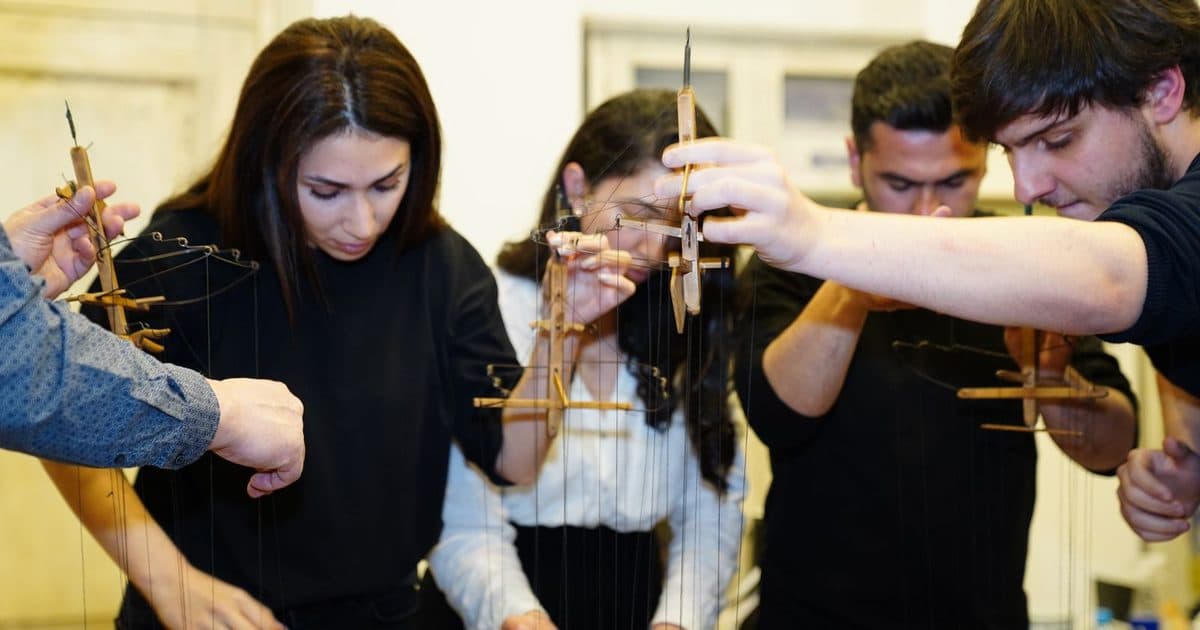
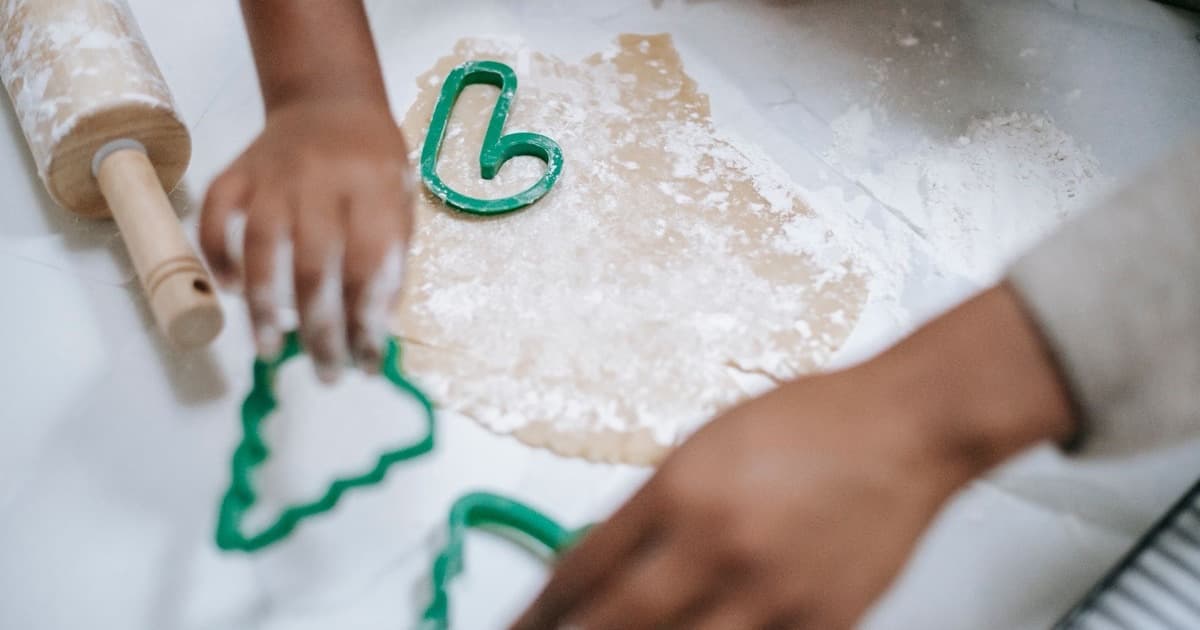
The same morning can become a creative workshop done in pairs: one parent and one child at the same table, with a Maker guiding the work. For example an hour or an hour and a half shaping clay, rolling out biscuits, printing paper for the wrapping. At the end the child is holding an object made with mum or dad, and it is already their Christmas present.
Why a workshop in pairs works
- Parents are not the audience. At the show they watch; at the workshop table they are half of the pair, and the child works with them, not in front of them.
- Colleagues meet in a different role. At the next table there is a colleague from another department with her son: people talk about school, holidays, how to hold a rolling pin. It is the kind of conversation that does not happen in the office.
- It holds different ages and characters together. There is no contest and no ranking: each pair gets on with its own piece, and the shy child has their own adult next to them.
- The children make the present themselves. Instead of the same parcel for everyone, each child takes home something of their own, made together with a parent.
When and where
The classic format works just as well with a workshop: Saturday morning, when the children are not at school and the parents are not at work, or the late afternoon of a weekday, after school. In the form you choose the time of day and suggest two to four dates: with at least two options it is easier to find a Maker who is free. For December it pays to move early, because the best dates go quickly, as we explain in the guide to the company Christmas party in a workshop.
In the canteen or a company room
When there are many families it is easier to stay on your own premises: the Maker and the materials come to the company. You need a large, clear space, with tables where it is fine to make a mess and ideally a sink nearby. The canteen is often the right place: long tables, a washable floor, and afterwards it is cleared for the buffet. Warehouses and production areas only with the go-ahead of the person responsible for safety, all the more so with children around.
In a Maker's studio
With a few families you can go to the Maker. For a child, walking into a real workshop, with the workbench, shelves full of materials and finished pieces on show, is already half the party. You only need to check there is room for every pair: the proposal takes that into account.
If you do not have a venue
In the form, answer «No, Handsome finds it»: we find the venue together with the Maker. If you do have one, you give its name and address.
What you make, age by age
What can be done, and from what age, is up to the Maker: they know how the material behaves in a child's hands. We choose the right Maker, and with children the detail that matters most is their age. Not every technique is available in every area: in our reply we tell you what can really be done. As a rough guide:
From 3 to 5
Immediate activities, big materials and an adult alongside. Decorations to hang on the tree in clay or salt dough, made with hands, cutters and prints; biscuits already baked, ready to decorate; ready-made stamps and sponges to colour wrapping paper. At this age attention fades quickly: a short activity that gets finished is better than a long one left halfway. No hot wax, ovens or cutting tools: for these techniques it is the Maker who says from what age it is possible.
From 6 to 9
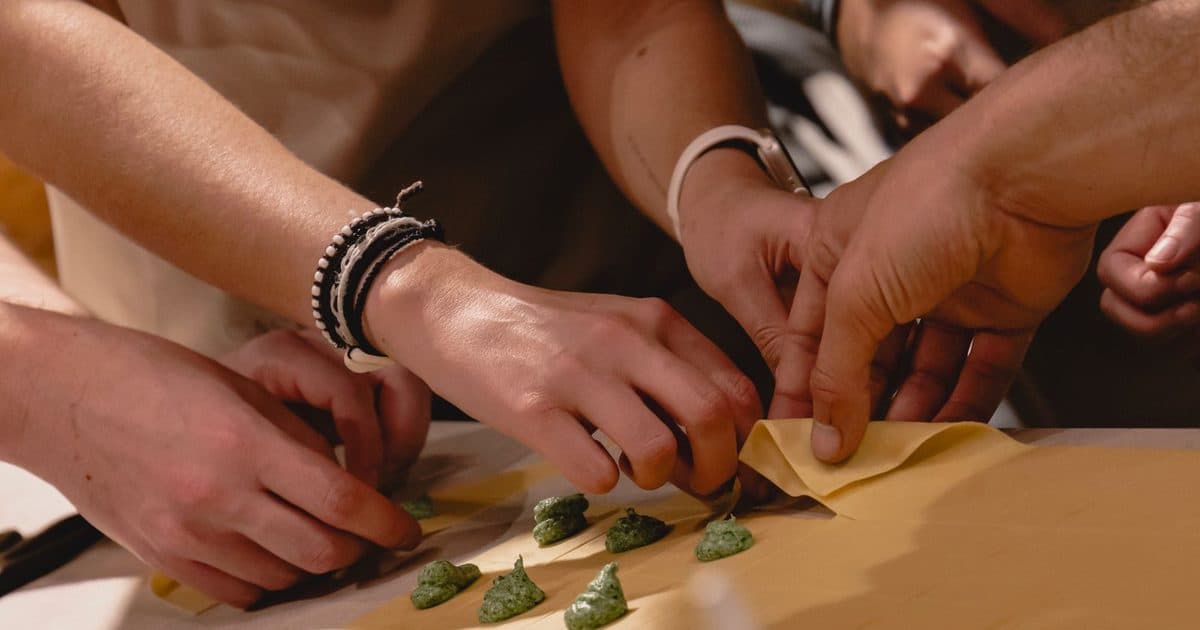
At this age children can manage a sequence of steps and want to do things properly. Biscuits to roll out, cut and decorate work well (an adult handles the oven; if the party is at the company and there is no oven, you decorate biscuits that are already baked), as does fresh pasta rolled by hand to take home and cook for dinner, more elaborate clay decorations and Christmas cards printed with stamps.
From 10 up
From ten up, children want a real technique, not a pastime: a ceramic decoration made from a slab, a stamp they carve themselves to print the wrapping paper, a card laid out like a small piece of graphic design. Here the parent often goes from helper to pupil, and that is part of the fun.
How to organise the party
- Length: as a rough guide, 60 to 90 minutes of workshop, less with the youngest. The exact length is set out in the proposal.
- Groups by age: if there are many children of different ages, it is worth splitting them into tables or rounds, for example 3-5, 6-9 and 10 and up, each with its own activity.
- The pairs: at the tables of the youngest it is best to have one adult per child.
- Who is invited: decide beforehand the maximum age and whether grandchildren, nephews and nieces count too. The number of participants depends on it.
- The buffet after, not during: hands covered in clay and panettone do not go together. In the canteen the tables are cleared; otherwise the food goes in another room.
- The last ten minutes: if the activity allows it, the child wraps their object in the paper they printed. They leave the party with the present already wrapped.
What to ask parents beforehand
In the invitation, as well as date, time and place, ask for a few details useful to the people preparing the workshop:
- Each child's name and age, to form the groups and arrive at the number of participants.
- Comfortable clothes that can get dirty: clay, paint and flour are unforgiving.
- Allergies and intolerances, to food (flour, milk, eggs, if you make biscuits) and to materials, and any accessibility needs. They go in the notes of the request, not discovered on the day of the party.
- Consent for photos: if you plan to photograph the children for the noticeboard, the internal newsletter or the company's social channels, ask the parents first, in the way the company already handles images.
How the request, the proposal and payment work
- You fill in the request for companies: number of participants (children and adults working at the tables), at least two dates (up to four), time of day, city, indicative budget per person and whether you already have a venue. As the goal, «Celebration / anniversary» is the closest; as the experience you can choose Pottery, Italian cooking or «Surprise me». In the notes, write how many children there are and how old they are.
- Within 24 hours we reply and within 2 working days you receive the proposal: what you will do, date and time, number of people, what you take home and price per person, all-inclusive: materials, Maker and organisation. No commitment until you confirm.
- To secure the date you pay online the amount shown in the proposal, with your VAT number and SDI code (or PEC), and you receive the electronic invoice.
- You have a single point of contact for the whole organisation: Handsome. We take care of the Maker, the materials and the timing.
If you are also preparing the grown-ups' party, there is the guide to the company Christmas party in a workshop. If this is the first event of its kind you are organising, there is the guide for people working in HR.
Frequently asked questions
- From what age can children take part?
- There is no fixed age: it depends on the technique. With simple activities, such as shaping clay by hand or decorating biscuits that are already baked, even nursery-school children do well, as long as an adult is next to them. For hot wax, ovens and cutting tools it is the Maker who says from what age it is possible. In the request, write the children's ages: the proposal starts from there.
- How do we count the participants?
- In the number of participants you include everyone working at the tables: the children and the adults doing the workshop with them. The form asks for the exact number, from 2 to 500, so it is worth collecting sign-ups before you fill it in.
- How much does it cost?
- The proposal shows a price per person, all-inclusive: materials, Maker and organisation. In the form you pick an indicative budget band per person (€40-60, €60-80, €80-120 or over €120): it is not a price list, it is where the proposal starts from. To secure the date you pay online the amount shown in the proposal and receive the electronic invoice.
- Is there entertainment too, or Father Christmas?
- The proposal covers the creative workshop. If you have something else planned for the same morning, such as a show or handing out presents, write it in the notes, so the people preparing the workshop know how much time there is.
- How far in advance should we ask?
- For December it is best to ask between October and mid-November: the best dates go quickly. We reply within 24 hours and the proposal arrives within 2 working days.
Participants, two dates, city, indicative budget and, in the notes, the children's ages: we reply within 24 hours and the proposal arrives within 2 working days.
Request a proposal for the children's party