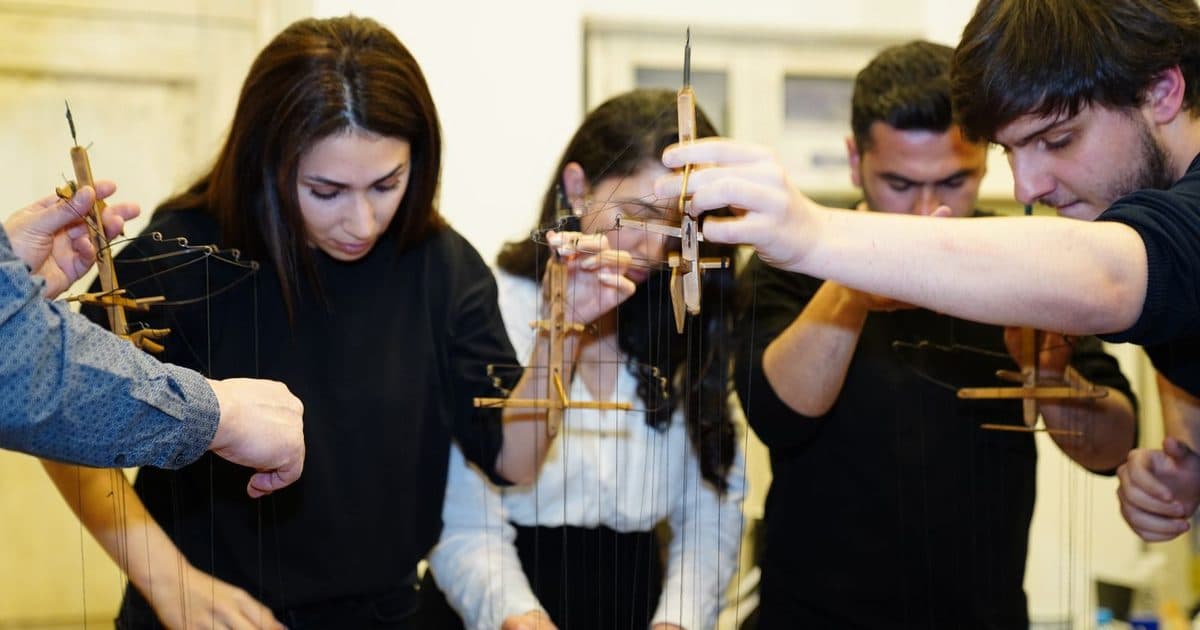
To work out how to organise a team building event that nobody regrets, you need five decisions, in this order: the objective, the format, the numbers with the budget, a six-week timeline and a written brief for the supplier. This guide covers each one, with the questions to ask and a checklist to copy. Updated September 2026.
How to organise a team building event: objective first, everything else after
Start by writing, in one line, what should change after the event. If you cannot, it is too early for quotes: “let's do something together” is a wish, not an objective. There are four typical objectives, each with its own format.
- Cohesion in an existing team: people know each other but work in silos. Pick an activity that gets them talking while their hands are busy, at mixed tables.
- Onboarding: new hires share a concrete memory with colleagues they would otherwise only see in meetings. Small groups, slow pace, no contest.
- End-of-project or end-of-year reward: what counts is the object people take home and the quality of the time.
- Cross-team: tables are assigned in advance, mixing departments and seniority. Left to themselves, colleagues sit as they do in the canteen.
According to Gallup's State of the Global Workplace 2026, global employee engagement fell to 20% in 2025, its lowest level since 2020. One afternoon of team building will not move that number. In Harvard Business Review (June 2016) Martine Haas and Mark Mortensen build on J. Richard Hackman's three conditions for effective teams (a compelling direction, a strong structure, a supportive context) and add a fourth: a shared mindset. A half-day event does not touch the first three; for the fourth it can be an opportunity, not a guarantee.
Pick the format for the objective, not for the trend
The right format puts people in the situation your objective describes: talking, slowing down, getting to know each other or competing.
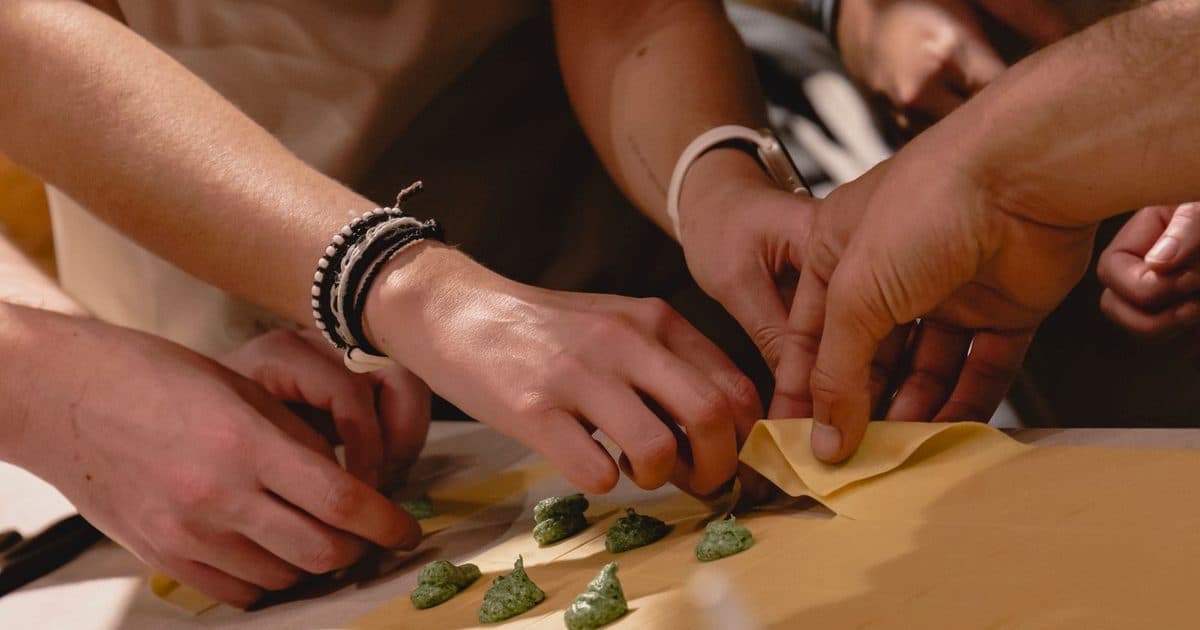
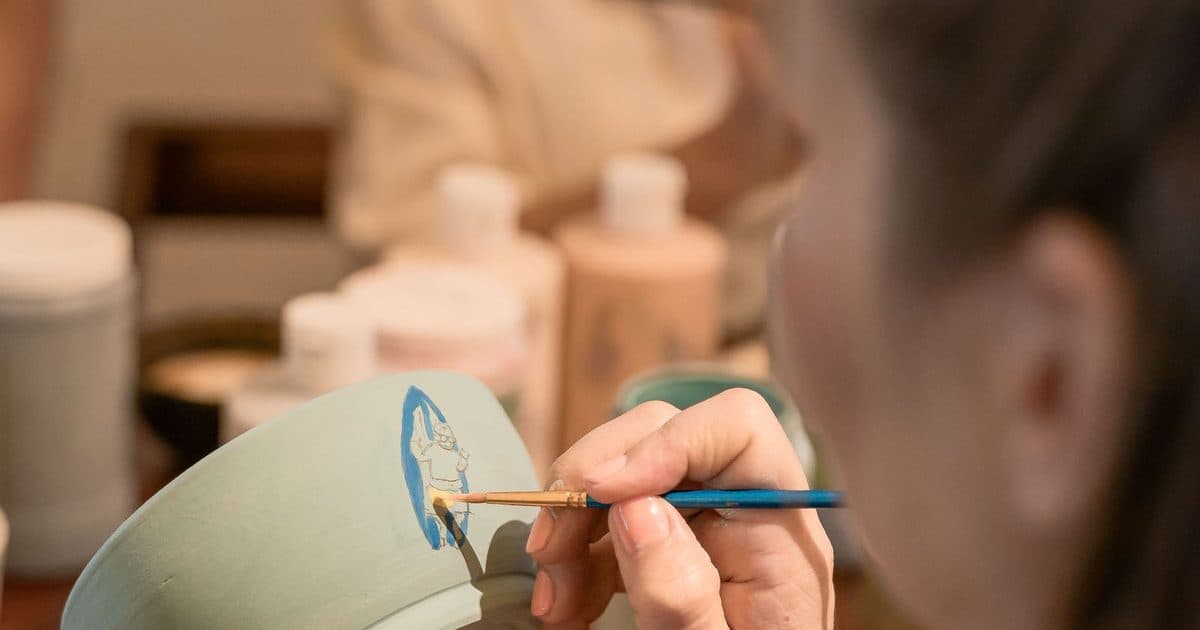
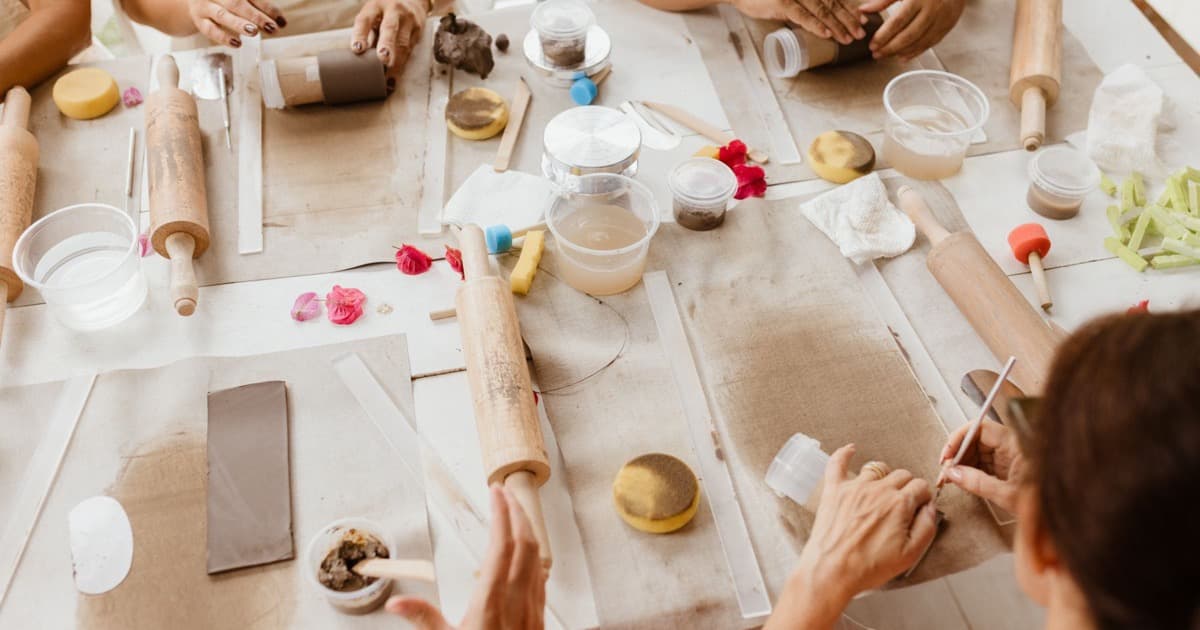
- Artisan or creative workshop (ceramics, wood, leather, weaving, cooking): everyone starts from zero, job titles do not count, everyone goes home with an object. Suits cohesion, onboarding and rewards; less so a contest.
- Escape rooms and team games: fast pace and competition. They work with close-knit groups; with a tense team they risk amplifying the tension.
- Sports and outdoor activities: engaging, but they select by fitness and age.
- Dinner or drinks: pleasant, but without a shared activity people talk to those they already know.
The point-by-point comparison of artisan workshop, escape room and cooking class has its own article; for a concrete case, see Turin: artisan workshop or escape room. New to the format? Start with what an artisan workshop is.
Numbers and budget: what to fix before asking for a quote
Before talking to a supplier, fix three numbers: a participant range, a budget per person and a maximum duration.
- A range, not an exact number: someone always drops out. Agree a minimum and maximum within which the price holds, and a date for the final number.
- The number changes the event: ten people fit around one table with one instructor; thirty need more stations, more hands, sometimes more sessions.
- The budget per person: stating it up front does not make you spend more; it gets you a realistic proposal first time.
- The maximum duration: two to three hours of activity is the most common format, but welcome, demonstration and wrap-up come on top.
For how the figure is built, see how much a creative team building event costs. For orientation, group workshops in the Handsome catalogue cost roughly 25 to 80 euro per person (September 2026): that is not a price list, nor the price of a corporate event, which is custom and depends on numbers, materials, duration and venue.
The timeline: six weeks, working backwards from the date
For ten to fifty people, six weeks is a comfortable lead time. It can be done in less, but the good dates for instructors and venues go first.
- Six to four weeks out: the brief. Objective, participant range, budget per person, two dates, city, your premises or a studio, known needs (accessibility, diets, language).
- Three weeks out: proposal and date. Choose, confirm, lock the venue; the event goes in everyone's diary, in working hours.
- Two weeks out: sign-ups. A form with a real closing date: allergies if there is food, accessibility, sizes if aprons are needed.
- One week out: logistics. Final number to the supplier, directions, clothes that can get dirty, real timings, a contact person in the room.
- The day: the running order. Welcome, demonstration, activity, a break, a close with the pieces on display. Someone from the company who is not taking part keeps time.
- After: the object and the follow-up. If the pieces need firing or finishing, agree who returns them and when: the delivery to the office becomes a second shared moment. Within a week, three questions to the team.
People, budget, two dates and a city: we reply within 24 hours and prepare a tailored proposal, no obligation.
Request a proposal for your teamHow to brief a supplier: the exact questions
A good brief fits on one page and asks every supplier the same questions, so the answers can be compared.
- Who runs the session, and how many people per instructor?
- Does the duration include welcome, demonstration and clean-up, or just the activity?
- What does each participant take home, and when?
- Can it be done at our premises? What do you need from us?
- How does the proposal change with ten people more or fewer, and by when do I confirm?
- Is it accessible to people with mobility or visual impairments? Can it run in English?
- What happens if the instructor falls ill or the venue falls through?
- Is the price total and final? Who invoices what?
Using this brief with the Handsome request
Handsome is an Italian marketplace of creative workshops run by verified Makers: potters, weavers, woodworkers, cooks, jewellery makers, leather and glass artisans. The corporate events page has a three-step form that collects most of the brief: company and contact person, participants by range, indicative budget per person, city, a preferred and an alternative date, the type of experience (from ceramics to Italian cooking, or “Surprise me”), the objective (team building, onboarding, client event, corporate gift and more) and a notes field. In the notes, add what it does not ask: your premises or the Maker's studio, maximum duration, accessibility, diets, language.
After you send it, you hear back within 24 hours, then the tailored proposal follows. You do not have to find the Maker: Handsome selects them and handles the steps. The proposal states the total, all-inclusive price for the group; you confirm with a deposit paid online to Handsome, and the balance goes to the Maker, who invoices the company.
The mistakes to avoid
The most common mistakes are about how the activity is imposed, not which one: when people feel they have no choice, it can backfire.
- Compulsory fun. Anyone who prefers to watch should be able to, no explanation needed: plan roles such as photographer, timekeeper, judge.
- Competition that humiliates. Public rankings, eliminations, a prize for the “best”: with a group that is not yet close they risk producing the opposite of cohesion. If you want a contest, use mixed teams and a collective prize.
- Too long, no breaks. If the activity runs past three hours, plan at least one break: looking at each other's work together is often when conversations start.
- Outside working hours. A Saturday or seven in the evening weighs on anyone with children or a long commute. If it cannot be in working hours, make it genuinely optional.
The European Agency for Safety and Health at Work (EU-OSHA) notes that psychosocial risks arise from, among other things, excessive workloads, ineffective communication and a lack of support from management or colleagues, and that its 2022 OSH Pulse survey found 27% of workers experience stress, anxiety or depression caused or made worse by work. Team building is not prevention; imposed with pressure and obligation, it risks adding to the problem.
The complete checklist, ready to copy
The checklist groups everything this guide asks you to decide into five blocks: paste it into a shared document and tick it off.
- Brief: objective; participant range; budget per person; maximum duration; two dates; city and venue; known needs.
- Proposal: who runs it; stations for the headcount; what people take home and when; real timings; total and final price; who invoices what; cancellation and headcount changes.
- Internal communication: invitation in working hours; sign-up form with a closing date; allergies, accessibility, language; what to wear.
- Last week and on the day: parking and access; room free for set-up; photo consent asked beforehand; someone at the door; a short thank-you.
- After: pieces returned by a set date; three questions to the team within a week; a note for next time.
For space, drop-outs and groups of twelve to forty, see the Bologna guide; the Milan one shows how a workshop session runs and how many people it takes. For benefits plans, read how to bring experiences into corporate welfare and, for December, how to handle employee gifts with a single supplier.
Frequently asked questions
- How far in advance should a team building event be organised?
- Six weeks is comfortable for ten to fifty people: enough for the brief, the proposals, date and venue, and sign-ups. Three weeks is doable, with less choice of instructors and dates. Under two weeks, scale down: a small group, the Maker's own studio, a standard format.
- How many people do you need for a creative team building event?
- There is no fixed minimum or maximum: the number you give shapes the proposal. About ten people need one instructor and one table; thirty or more need stations, extra hands and sometimes a second session. Give a realistic range and a date to confirm the final number.
- Is it better at the office or in the Maker's studio?
- It depends on the technique and the space. Many activities work on your premises with proper tables, water nearby and protected surfaces; wheels, kilns and fixed machinery need the studio. Leaving the office changes the register; staying simplifies logistics. Say which in the brief: it changes proposal and price.
- How do you tell whether a team building event worked?
- With a few questions, right after and a month later. Within a week: what you took away, what you would change, whether you would repeat it. After a month: whether you worked with someone new. A single event will not give engagement or productivity numbers; expect qualitative signals and a steer for next time.
- What happens after a request on Handsome?
- You hear back within 24 hours, then receive a tailored proposal: Handsome picks the Maker suited to your group and follows the steps. It states the total price, the deposit paid online to Handsome to lock the date, and the balance, which the Maker invoices directly to the company. No commitment until you confirm. For groups of friends, see [private events](/eventi-privati).
Three steps: numbers, budget, dates and objective. We choose the Maker and reply within 24 hours.
Request a proposal for your team