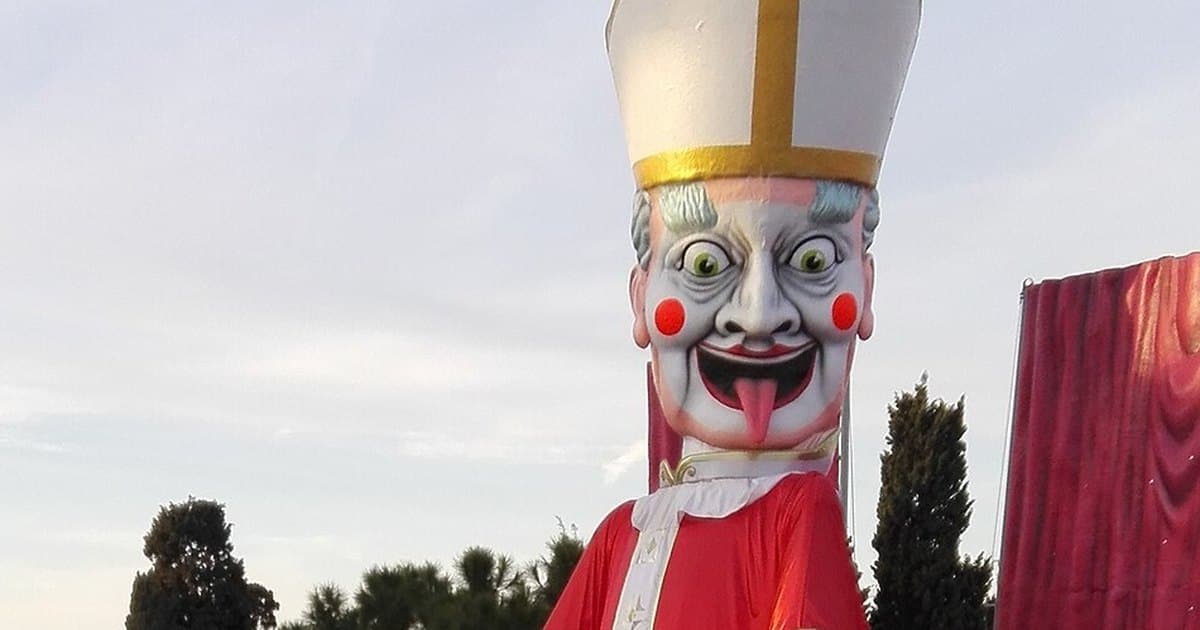
You see Fano's Carnival three Sundays a year. It is built over months. While the town thinks about other things, inside the workshops people are modelling clay, pouring plaster, gluing newspaper and spray-painting. It is a real trade, with a precise sequence and a vocabulary of its own. This guide starts there, then takes you into the old town: Fano has plenty to see on the other Sundays too.
Since 1347, in a ledger of expenses
The date that makes Fano the oldest carnival in Italy comes from an accounting document, not a legend. The municipal historical archives hold a 1347 record of the expenses the town paid for "el giucho de Charnevale". It is not a description of a party: it is the bill. Which is the most solid way to know something actually happened. The calendar has stayed liturgical ever since: the parades fall on the three Sundays before Lent, so the dates shift every year along with Easter.
How a papier-mâché figure is made
Carnival papier-mâché is not the torn paper of primary school. It is a reproduction technique: you sculpt once, and from that sculpture you get a light shell that can be mounted on a frame and made to move. In Fano the sequence is documented step by step.
- The sketch. The float-maker draws the subject, the proportions and the pose. You decide what you want to say before you touch any material.
- The frame. Wooden battens nailed together give the figure its rough shape and carry the weight of the clay.
- The clay model. Clay is laid over the frame and modelled by hand and with wooden mallets, details included.
- The insulating layer. A coat of liquid plaster separates the damp clay from the paper that goes on top.
- The papering. Several layers of paper, uncoated magazine pages and newspaper, glued with the classic flour-and-water paste. This is where the shell is born.
- The drying. The piece is dried with stoves: while the paper is damp, it will not hold its shape.
- The assembly. The figure is worked in sections, lifted off the clay and reassembled over an internal wooden framework.
- The finish. A coat of plaster smooths the roughness, then the painting: an even base and sprayed shading.
Two things strike anyone watching the process for the first time. The materials are cheap: clay, newspaper, flour, plaster, wood. The value is in the time and the hands. And the clay is sacrificed: the most carefully sculpted model exists only to generate the shell, and never reaches the parade.
Why papier-mâché and not wood
Because it has to be light and it has to move. A float is not a static sculpture: heads turn, arms lift, mouths open, all driven by mechanisms hidden inside the structure. Solid wood or plaster would be impossible to animate. A paper shell weighs little, takes knocks, and when it breaks you repair it with more paper and more glue. It is a technical choice before a decorative one.
The Throw, and the rest of the Sunday
Fano's signature is the Getto, the Throw: during the parade, sweets rain from the floats onto the crowd. Traditionally it happens on the second of the three passes along the avenue, and since 2015 many people turn up with the "prendigetto", an upturned cardboard cone that has replaced upside-down umbrellas. The third pass is the luminaria, with the floats lit up. Moving between them is the Musica Arabita, the band founded in 1923 that plays with pots, bottles and cowbells in open parody of the gentry's orchestras: Guido Piovene went as far as calling it Italian jazz. On Shrove Tuesday the Pupo, a caricature of the figure of the year, is burned.
What to see in Fano the rest of the year
Fano is a Roman colony with a compact centre you can walk in half a day.
- Arch of Augustus. It was the main gate of the Colonia Iulia Fanestris, where the Via Flaminia entered the city; the inscription dates it to around AD 9. The upper attic was almost entirely destroyed during Federico da Montefeltro's siege of 1463, and the cut is visible to the naked eye.
- Corte Malatestiana. The Palazzo Malatestiano was commissioned by Pandolfo III Malatesta and built between 1413 and 1421. It now houses the Civic Museum and the Pinacoteca; you enter from Piazza XX Settembre.
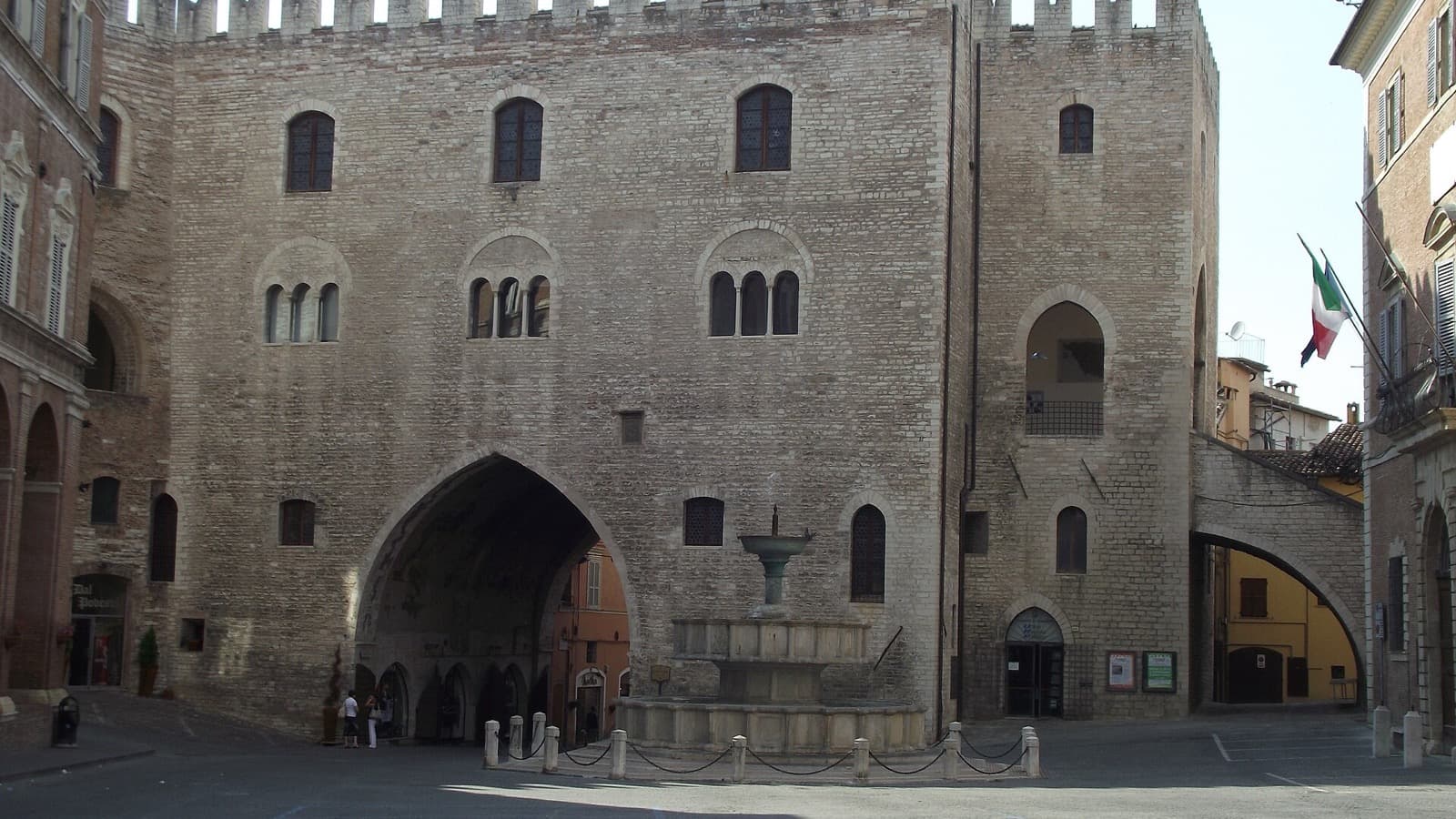
- Fontana della Fortuna. In the same square, topped by the bronze statue of the goddess Fortune: the one outdoors is a copy, the original is in the Civic Museum.
- The harbour. Fano is a working fishing port with its own fish market. Go early in the morning or at sunset and you understand where the local cooking comes from.
At the table, the word to know is brodetto. It was born on board the fishing boats as a scrap dish, made with fish too small or damaged by the nets. The Fano version is recognisable by its vinegar and tomato paste, and the recipe codified by the Confraternita del Brodetto lists the species allowed, from mantis shrimp to scorpionfish. The same principle as papier-mâché: humble material, precise technique.
A technique you can actually learn
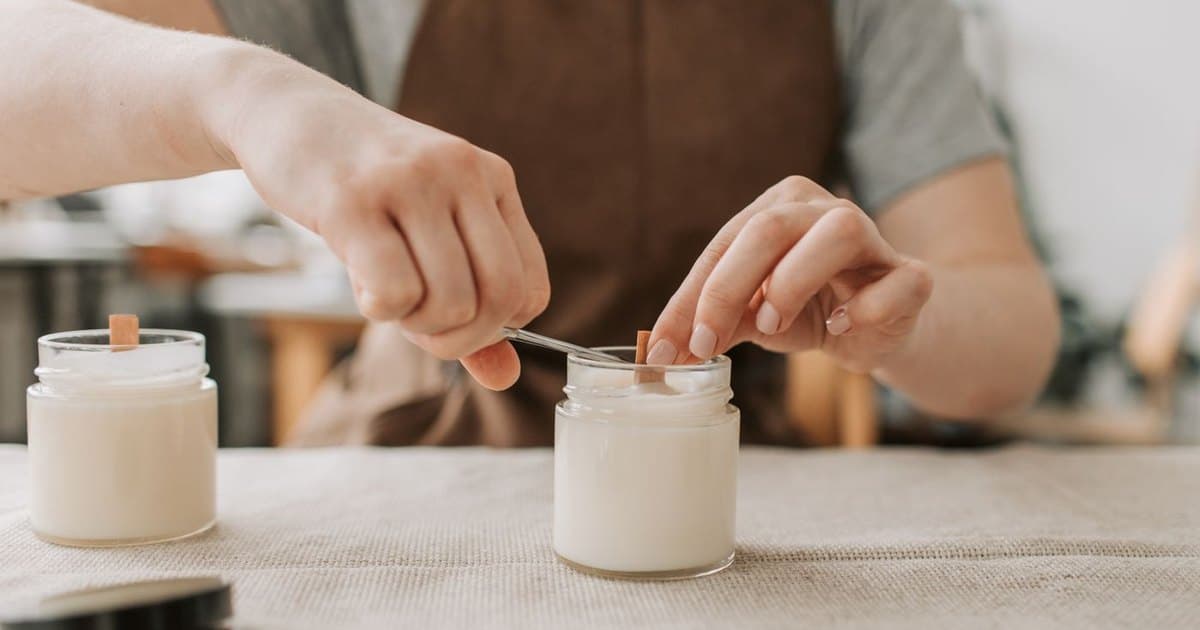
Papier-mâché needs no machinery. It needs a hand that models, patience while things dry, and someone to show you the two or three steps everyone gets wrong: how much glue, how to lay the layers, when to lift the shell. One afternoon in a workshop teaches that better than ten videos. If the carnival leaves you wanting to try, look for a modelling, ceramics or sculpture workshop nearby: the starting gesture, adding and removing material with your fingers, is the same one.
Frequently asked questions
- When does the Fano Carnival take place?
- The parades fall on the three Sundays before Lent, so the dates move every year with Easter. For the current edition, always check the official Carnival calendar and the Fano town council website.
- Why is it considered the oldest carnival in Italy?
- Because of a 1347 document held in the municipal historical archives, recording the expenses the town paid for "el giucho de Charnevale".
- What is the Getto?
- The throwing of sweets from the floats to the crowd during the parade, traditionally on the second of the three passes. Since 2015 people use the "prendigetto", an upturned cardboard cone for catching them safely.
- Can adults learn papier-mâché?
- Yes. The main stages (modelling, casting, papering, finishing) can be tried in a short workshop, and the basic materials are clay, paper, flour glue and plaster.