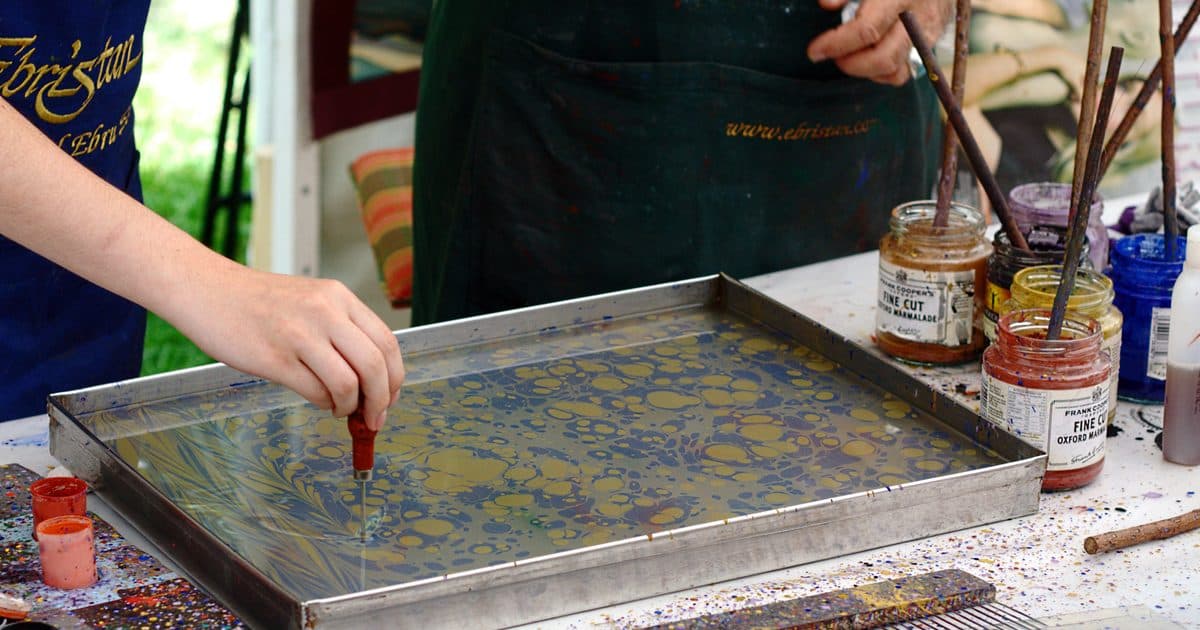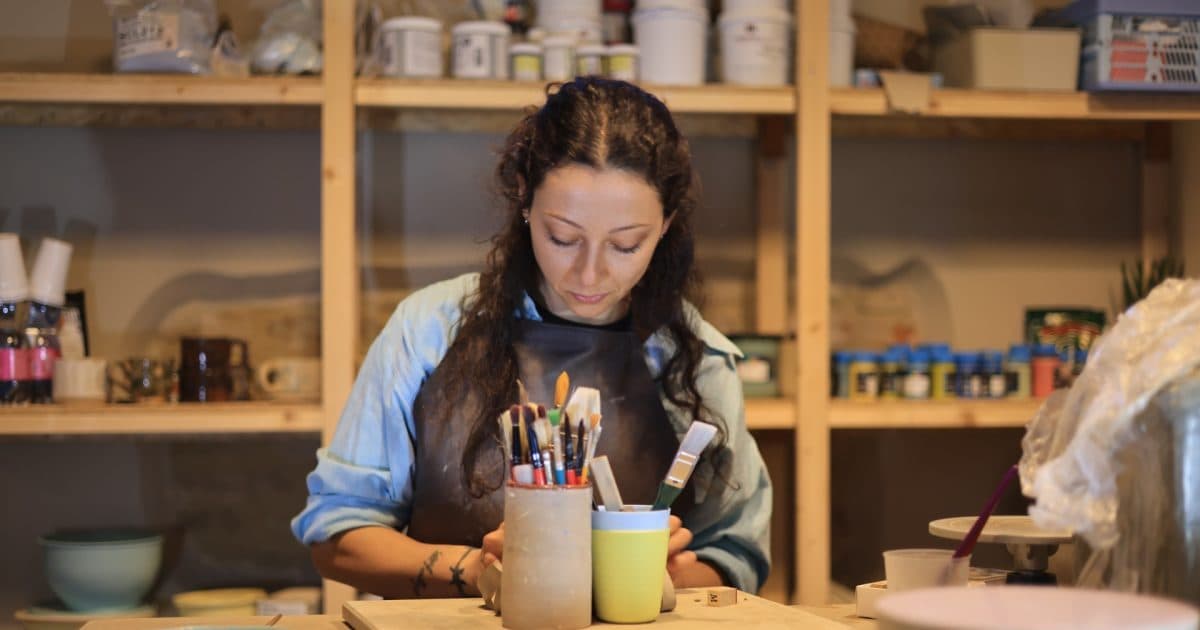
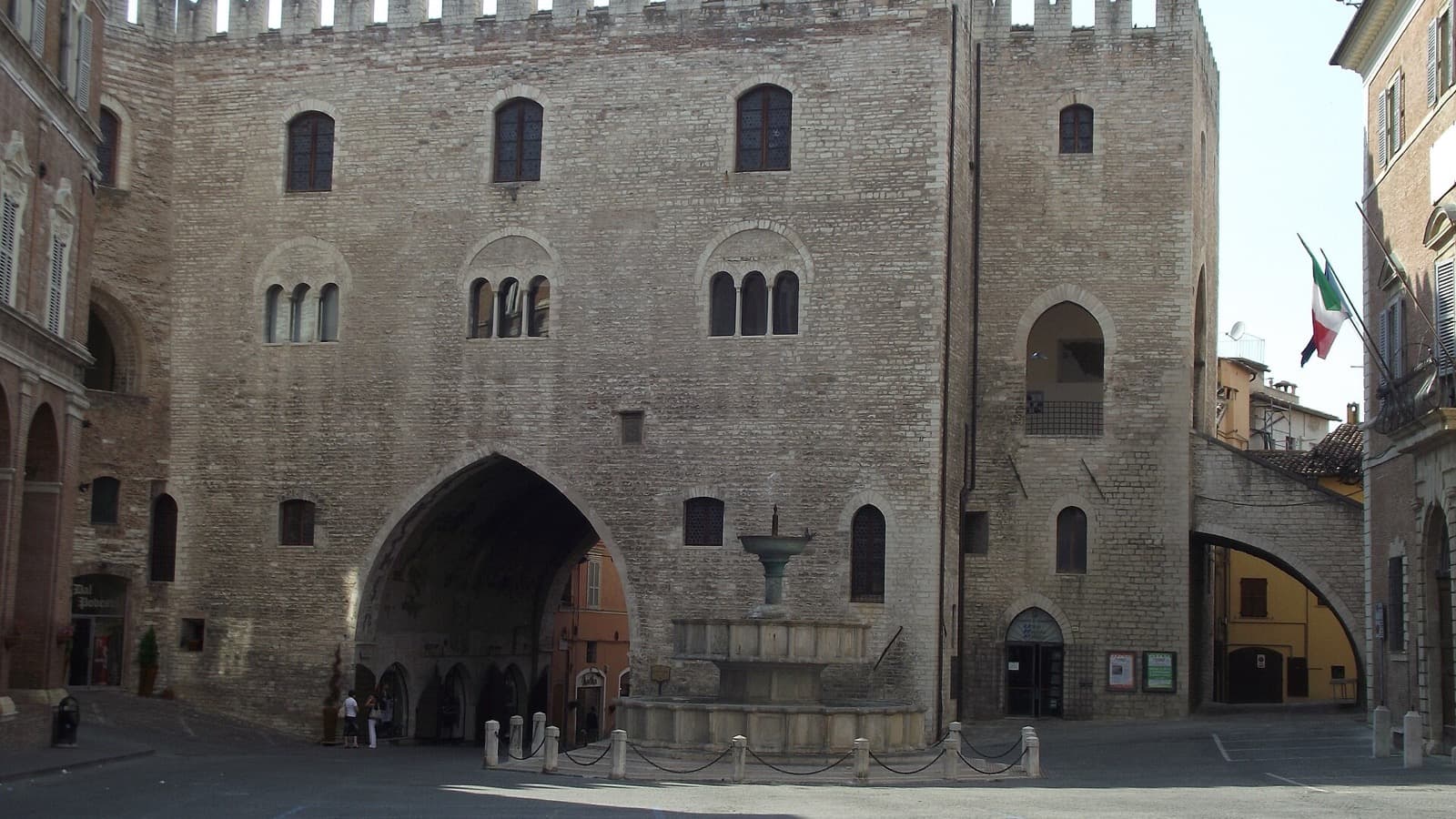
A handmade paper workshop in Fabriano is a hands-on experience where, guided by a master papermaker, you turn cellulose fibre into a real sheet and personalise it with a watermark, the design that appears when held to the light. Fabriano, in the province of Ancona in the Marche region, has produced paper since the 13th century and is where the hydraulic hammer mill and the watermark itself were perfected: making a sheet here means repeating gestures more than 700 years old. A workshop usually lasts 2-3 hours, suits complete beginners and sends you home with the paper you made with your own hands.
Fabriano, the city that reinvented paper
When Europe talks about paper, it talks about Fabriano. From the 1200s, the town's masters introduced innovations that changed the history of writing and printing, even before Gutenberg. It wasn't just production: it was a genuine technical revolution.
- The hydraulic hammer mill: instead of slow hand-grinding of rags, Fabriano used water-powered hammers that broke down cotton and linen evenly and quickly.
- The watermark: the mark visible in transparency within the sheet, invented here in 1282 and used from the start as a sign of quality and proof of origin.
- Gelatine sizing, which made the paper suitable for pen and ink, the basis for books and documents built to last for centuries.
- Know-how so deeply rooted that in 2013 Fabriano joined the UNESCO Creative Cities network for crafts and folk art.
This heritage didn't end up locked in a museum: it is still a living craft, and the best way to understand it is to try it. If you have never done anything similar, it helps to first read what a craft workshop is and how a day in the studio works.
What you do in a handmade paper workshop
The beauty of this class is that in a few hours you go through the whole production cycle, from raw material to a dry sheet. These are the typical steps the master will guide you through:
- From fibre to pulp: you start with cellulose fibre (cotton, linen or recycled paper) soaked and reduced to a creamy, uniform water suspension known as the vat.
- Forming the sheet: you dip the mould, a frame with a fine metal mesh, into the vat and lift it with a firm, level movement. The water drains away and a uniform layer of fibres stays on the mesh: your sheet is born.
- Couching and pressing: the still-wet sheet is transferred onto a felt and pressed to remove excess water and bind the fibres.
- Drying: the sheet rests in the air until it becomes the smooth, sturdy paper you take home.
The watermark: your mark in the light
The most exciting moment is the watermark. A thin wire design is fixed onto the mould's mesh: where the wire is raised, fewer fibres settle, so that design appears lighter when held against the light. In workshops you can choose a ready-made motif, an initial or a small shape, and watch it appear as if by magic in your sheet when you lift it towards the window. It is the same principle that, for centuries, has signed fine paper and even banknotes.
Who it's for and how long it lasts
Handmade paper is one of the most accessible craft experiences: no prior skill is needed and it's barely messy. It works well for:
- Absolute beginners: sheet forming is learned in a few tries and the master follows every move.
- Families with children: playing with water and fibres is fun and safe, and doubles as a living history lesson.
- Couples and small groups: an original idea for a different afternoon, away from the usual tourist trail.
- Calligraphy, drawing and bookbinding enthusiasts who want to understand paper from the moment it is born.
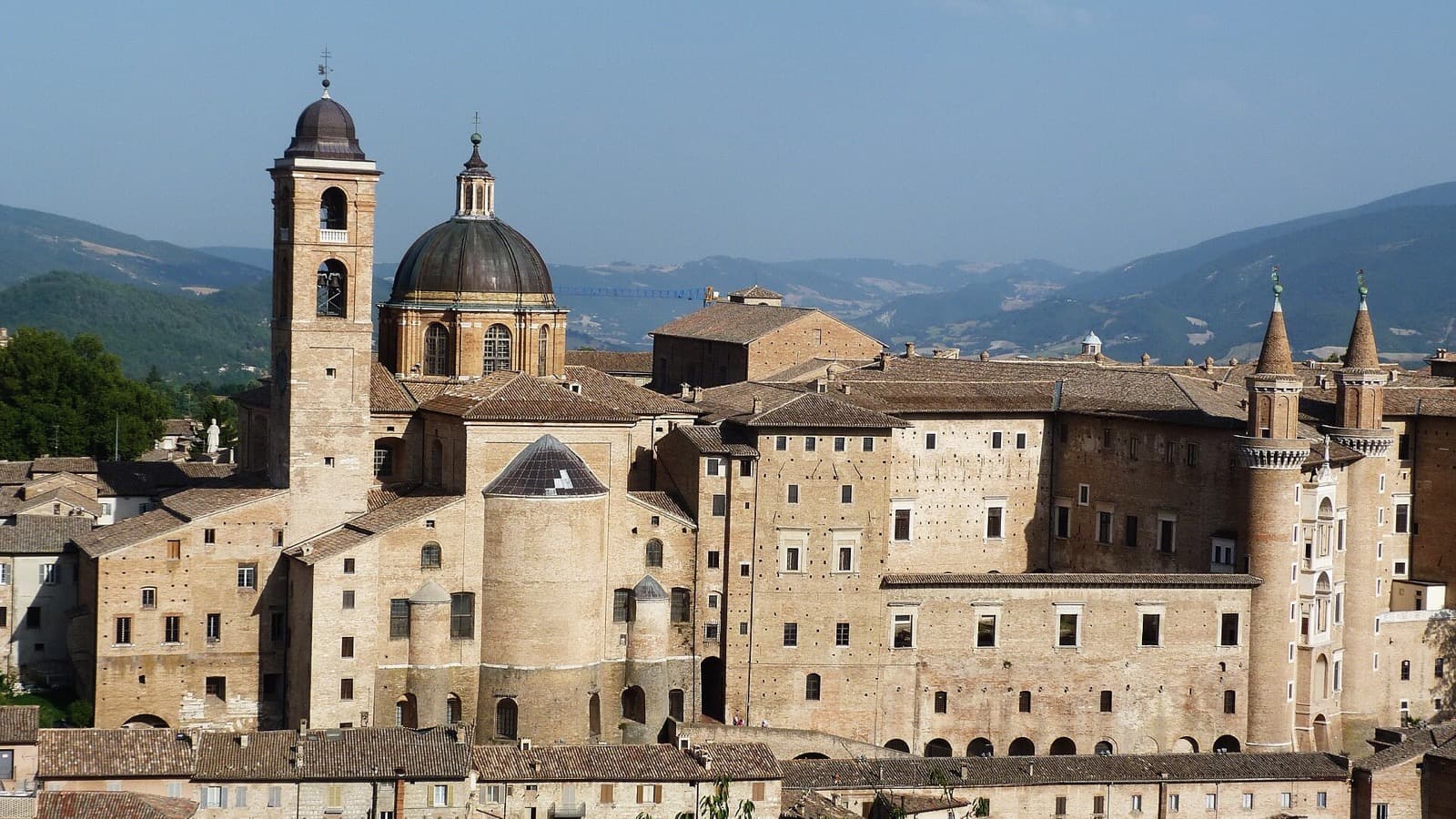
The average length is 2-3 hours. It's perfect to pair with a weekend in the Marche: combine it with a tour of the Renaissance craft studios of Urbino or another workshop, such as bobbin lace in Offida.
The Museum of Paper and Watermark
Before or after your class, the Museum of Paper and Watermark in Fabriano is well worth a visit, housed in the former convent of San Domenico. Inside, a working medieval fulling mill has been reconstructed, with the hydraulic hammers in action, and master papermakers give live demonstrations of sheet forming, just as it was done in the Middle Ages. It's the ideal setting to understand why this small town made history. Find opening hours and details on the official Museum of Paper and Watermark website and on Fabriano's entry among the UNESCO Creative Cities (also on Wikipedia).
Where to book your workshop
On Handsome you'll find handmade paper experiences and other craft workshops led by real masters, with limited places and genuine attention to each participant. Browse all available workshops, discover the master artisans of the Marche or explore related disciplines such as ceramics. For more ideas nearby, take a look at what to do in Ascoli Piceno between travertine and creative labs and the craft experiences of Macerata.
Frequently asked questions
- Do I need experience for a handmade paper workshop?
- No. Handmade paper suits absolute beginners: forming the sheet is learned in a few tries and the master follows every step. It's accessible to accompanied children too.
- How long does a paper workshop in Fabriano last?
- Usually 2 to 3 hours, enough to go through the whole cycle: preparing the pulp, forming the sheet, the watermark, pressing and starting the drying.
- What is a watermark and can I personalise it?
- The watermark is the design that appears in transparency within the sheet, invented in Fabriano in 1282. In many workshops you can choose a motif or an initial and create a personalised watermark to take home.
- Why make paper specifically in Fabriano?
- Because Fabriano has produced paper since the 13th century, and it was here that the hydraulic hammer mill and the watermark were perfected. Since 2013 it has been a UNESCO Creative City for crafts: the European cradle of quality paper.