Italian craft is not a single trade: it's a collection of regional traditions, each with its own techniques, materials and masters. Here we cover seven of the most representative ones, with the reference city and what you can learn by booking a workshop.
1. Ceramics and majolica — Faenza
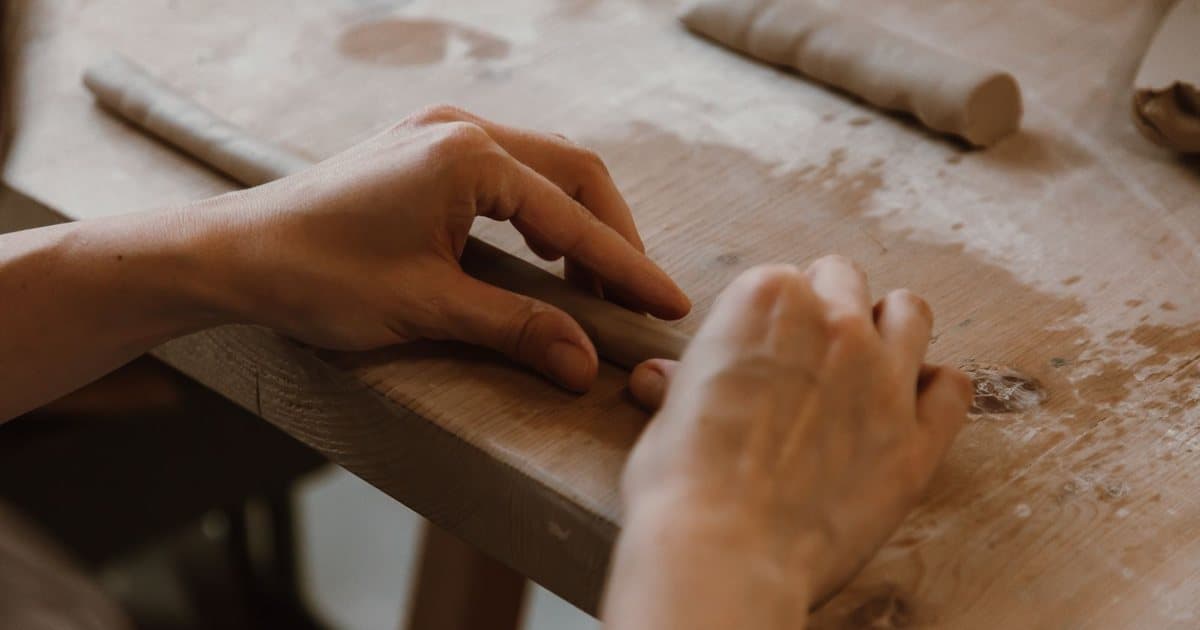
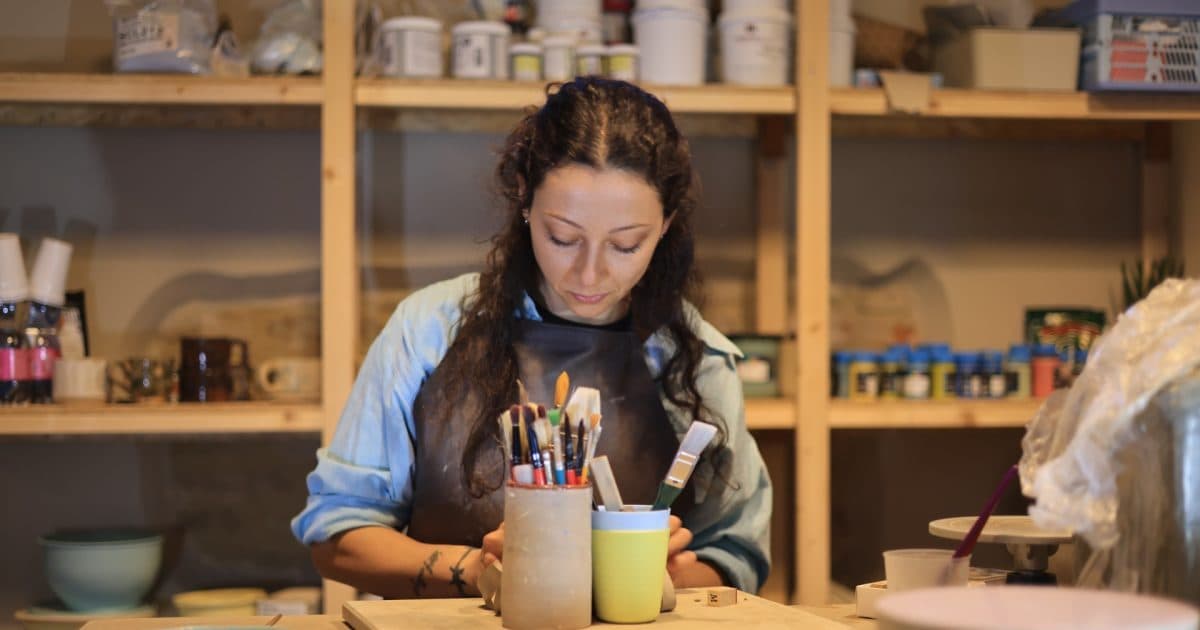
Faenza gave its name to Italian ceramics worldwide: in French "faïence" and in English "faience" both mean majolica. The Faenza tradition dates back to the 13th century. Typical workshops: pottery wheel, hand modeling, brush decoration on biscuit ware.
2. Blown glass — Murano (Venice)
The island of Murano has produced artisan glass since 1291, when the Republic of Venice moved the furnaces to the island for safety reasons. Glass-blowing techniques are protected as Italian cultural heritage.
3. Violin making — Cremona
Cremona is the homeland of Antonio Stradivari (1644-1737) and Guarneri del Gesù. Cremonese violin making was inscribed on the UNESCO list of Intangible Cultural Heritage in 2012. A workshop can teach you the basics of violin construction or traditional varnishing.
4. Leather craft — Florence
The Leather School of Santa Croce was founded in 1950 and has trained artisans for over 75 years. Florence is the leading Italian district for luxury leatherwork. Common workshops: hand-made wallets, belts and small bags.
5. Traditional cooking — Bologna, Naples, Modena
Three Italian cities are universally associated with artisan cooking: Bologna (fresh egg pasta, tortellini), Naples (pizza, UNESCO 2017) and Modena (traditional balsamic vinegar DOP). The Bolognese "sfogline" pasta makers are still trained today through an orally transmitted school.
6. Silk weaving — Como
Como produces around 70% of the silk processed in Europe. The Como tradition begins in the 15th century. The most requested workshops cover natural dyeing and block printing.
7. Goldsmithing — Vicenza and Valenza
Vicenza is the Italian goldsmithing district par excellence: roughly 30% of Italian jewelry export value passes through here. Valenza (Alessandria) specializes in high jewelry and precious stone setting.
Frequently asked questions
- How many artisan businesses are there in Italy?
- According to Confartigianato 2024, active artisan businesses are around 1.3 million, mainly in Lombardy, Veneto, Emilia-Romagna and Tuscany.
- Which Italian disciplines are on the UNESCO list?
- Cremonese violin making (2012), Neapolitan pizza (2017), the bush vine cultivation of Pantelleria (2014) and truffle hunting (2021) are on the UNESCO lists.
- Can I book workshops in these cities on Handsome?
- Yes — Handsome covers all the main Italian craft cities. On /artigiani you can browse the list by city and discipline.