The conference programme was locked months ago: plenary in the morning, breakout sessions, gala dinner. What is left is a free afternoon, or the morning before delegates fly home, and that slot needs something better than another coach tour. The date is not yours to choose, neither is the time; the group comes from different companies, cities and languages after hours spent listening. In Naples that window fills well with a craft workshop, done with the hands, asking nobody to speak in public. Provided you untie the real knot first: how to split a large delegation across several workshops running at the same time, without multiplying suppliers.
Start from the time window, not the activity
The classic mistake is choosing the workshop and then squeezing it into the programme. The right order is the reverse: take the time delegates are released from the hall, the time they must be ready for dinner, and subtract real transfer time: what remains is the true half day. Where the conference sits matters: the exhibition district of Fuorigrotta, a seafront hotel and the Centro Direzionale business district have three different geographies relative to the studios of the old town. The Naples Metro links some of those points to the centre well, but a delegation is not a lone tourist: you need coaches, one meeting point and someone counting heads.
- Release time and return time are not up for negotiation: everything else bends around these two.
- One departure point: the hotel lobby, the exit of the conference centre. Never "see you there".
- Settle the working language early: English, or someone who translates the gesture as well as the words.
Splitting the group across parallel workshops
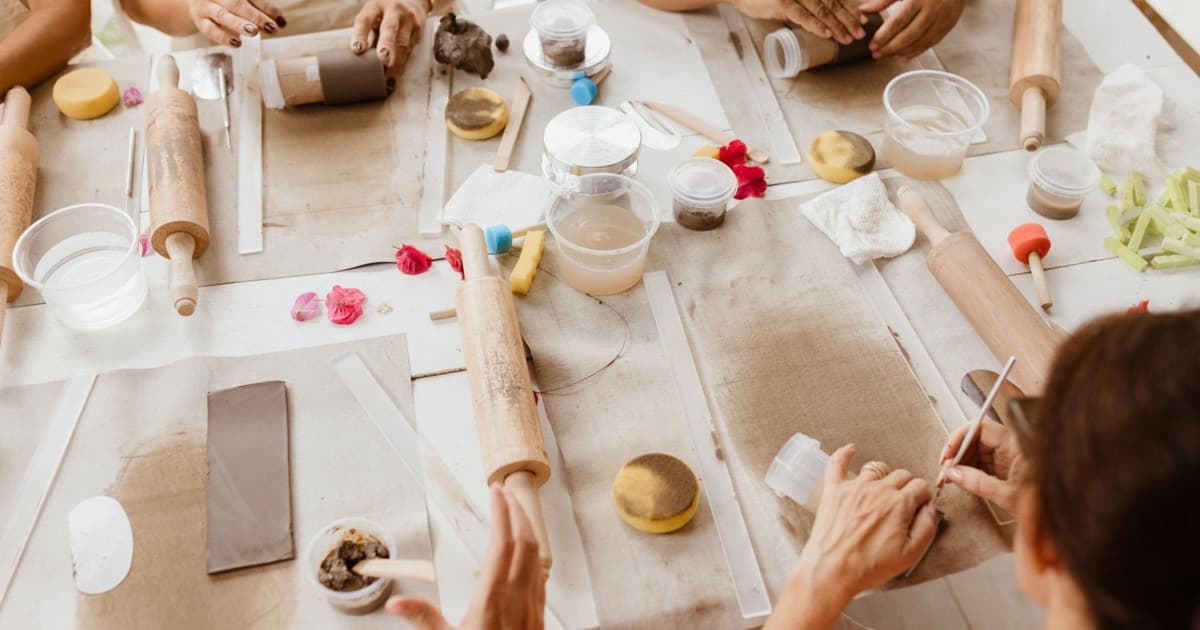
A craft workshop holds as many people as the person leading it can follow with their hands, and not one more. That is why a delegation does not fit into a single studio, and why forcing it is pointless. The answer is to divide the group into squads, each with a different Maker and a different craft, same start and finish time. No rotation: everyone carries one activity through to the end. Naples suits this better than most cities: the squad kneading dough has nothing in common with the squad sewing, and at the gala dinner that becomes conversation. There is one criterion for choosing the crafts: the object must be finished and in the participant's hands when the squads regroup.
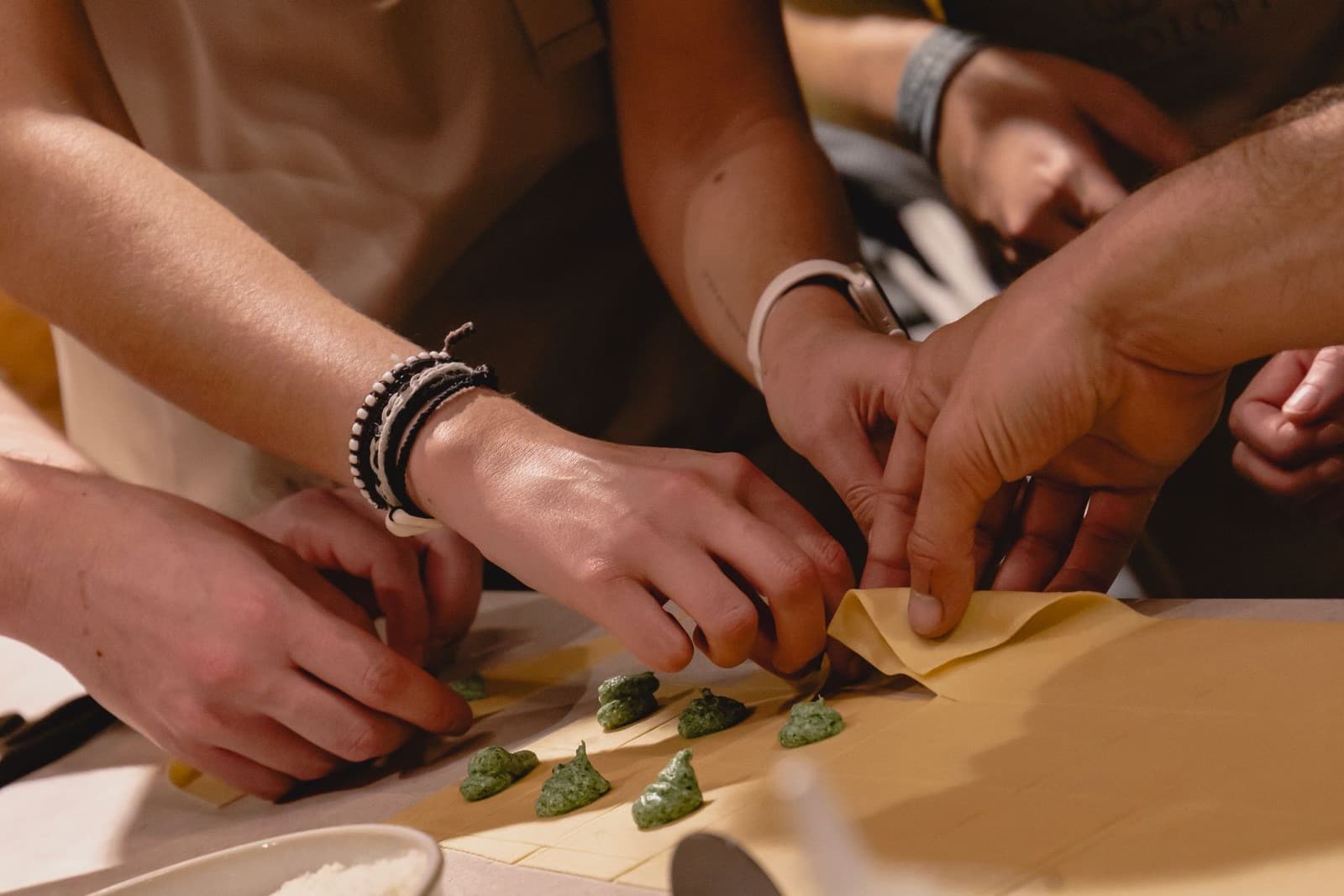
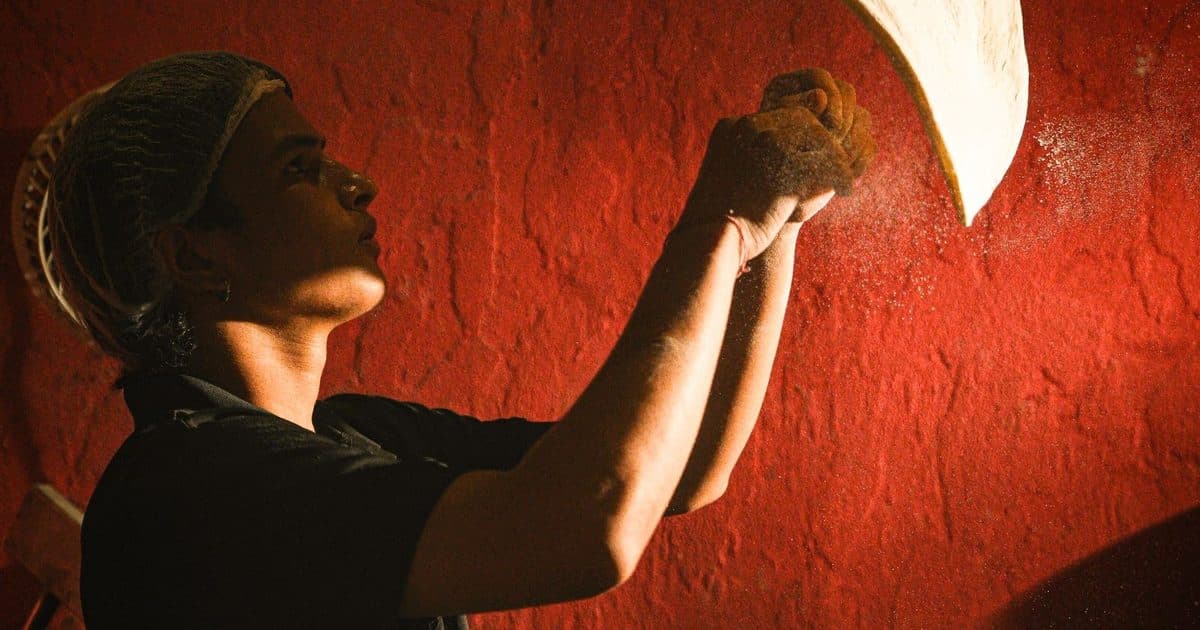
- Food: pizza, sfogliatella or fresh pasta. You eat what you made, no translation needed.
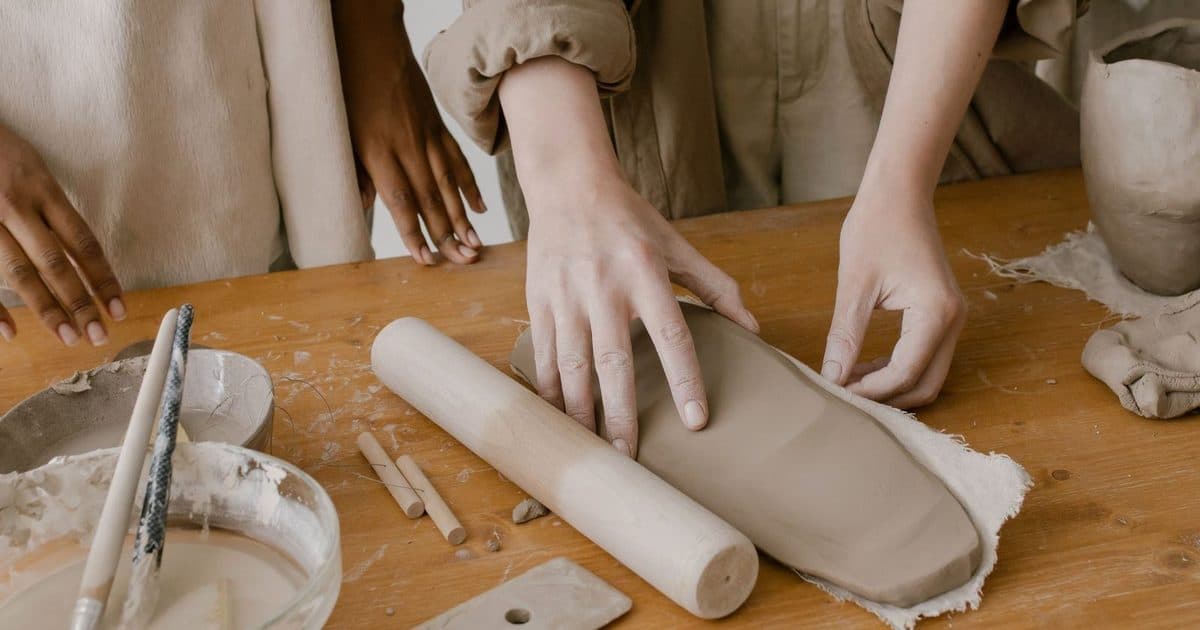
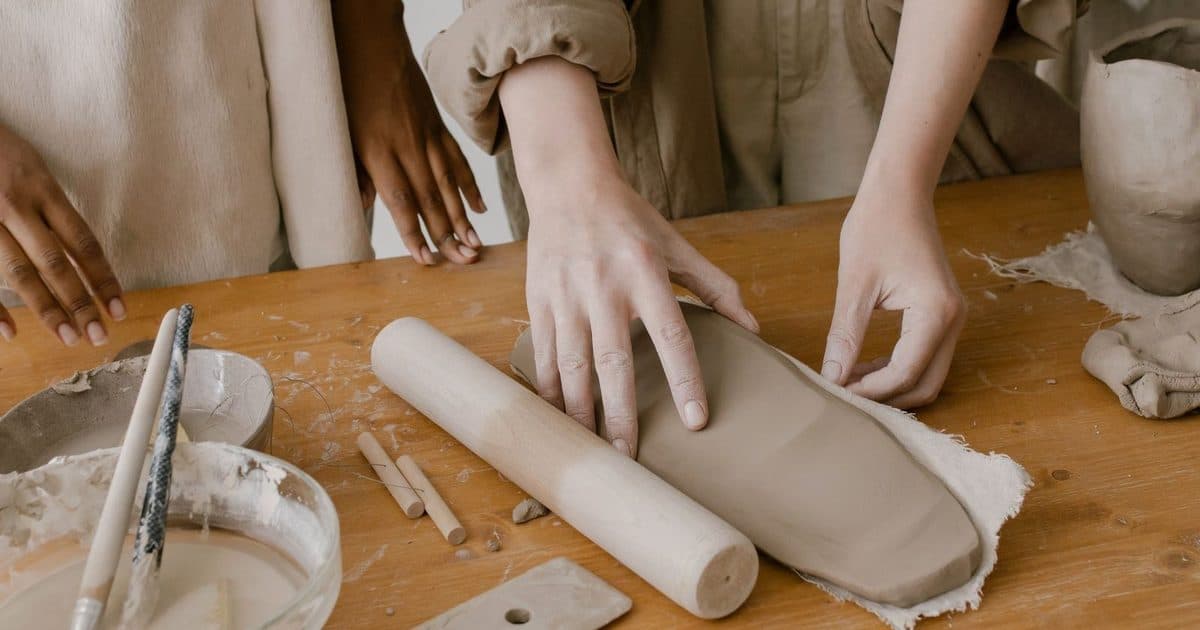
- Nativity figures: a shepherd modelled in air-drying clay. The craft delegates associate with Naples before they even land.
- Tailoring: a pocket square or a hand-stitched accessory, using the stitches of the Neapolitan tailoring tradition, worn that same evening.
- Paper and bookbinding: a hand-sewn notebook, which for people taking notes all day also makes sense.
- Leather: a small accessory cut and stitched on the spot, with no glue that needs to set.
- Painted ceramics: only if firing is arranged beforehand and later delivery is spelled out in the brief; otherwise the piece stays in Naples and the delegate does not.
Build the squads to mix, not to confirm: people from the same company go to different workshops, and the craft can be chosen inside the conference registration form. Then comes the biggest decision: everything in one place, or spread across the city? If the window is tight, the Makers come to the conference venue and take over the breakout rooms with their materials: delegates move down a corridor. If it is wide and the point is to show people Naples, the squads fan out to studios close to each other in the historic centre and regroup at a single spot. The second is more beautiful, the first is safer. The on-site versus off-site reasoning is the same we set out for team building in Rome, with one extra constraint: here the group is not going back to an office, it is going to a dinner with a start time.
One point of contact, not one per workshop
The traditional way would mean finding a studio per craft, asking each whether it takes groups, works in English, can travel; then holding together different quotes, deposits and cancellation terms, chasing one person per studio. With Handsome for companies there is one route: you send a brief with the date, the window, the rough size of the group, the departure point, languages and objective. Handsome selects Makers in and around Naples, builds the squads, coordinates timings, materials and rooms, plans a replacement if a Maker drops out; the agency or company receives one proposal and, from the request to the day itself, speaks to one contact. It is the same method we describe for creative team building in Bologna; the city changes, and so does the scale.
What moves the quote
In a parallel event the cost is driven by squads more than by heads: each extra workshop is an extra Maker, and that is the line that weighs most. Then come materials per person, because clay, flour and leather do not cost the same; the choice between moving Makers with their equipment or delegates by coach; language, when you need English-speaking leads or an extra facilitator per squad; timing, if the window falls in the evening or at the weekend; and any gift left with delegates on top of the object each person makes. Nothing here surprises anyone if the brief contains it from the start, together with dietary and accessibility needs and an indicative budget.
A conference is remembered for the hands, not the slides: at the gala dinner nobody recounts the morning session, everyone talks about what they made in the afternoon.
The object each person takes away closes the loop better than any gadget in the conference bag: it is Neapolitan, it was made by the person holding it, and it has an hour of attention inside. If the incentive also calls for a gift for delegates, the same network of Makers produces it, with the same point of contact. It is the simplest way to bring the real city into a programme that would otherwise stay inside a hall.
Frequently asked questions
- What craft activity can you organise in Naples for a corporate group in half a day?
- Parallel workshops across several Neapolitan crafts: food (pizza, sfogliatella, fresh pasta), nativity shepherds in clay, hand tailoring, paper and bookbinding, small leather goods. The group splits into squads, one per Maker, all starting and finishing together with a finished object in hand. Coordination runs through a single point of contact, via Handsome's business page.
- The group is too large for one studio. What then?
- You do not force the studio, you divide the group. Each squad is the size a Maker can genuinely follow, and the squads work at the same time in parallel rooms or in studios close to one another, with no rotations.
- Our delegates are international. Can the workshop run in English?
- Yes, if you say so in the brief. Handsome selects Makers who can lead in English or pairs them with someone who translates, and in some crafts, food above all, the gesture says more than the words.
- Is it better to bring the Makers to the conference venue or move the delegates into town?
- It depends on the window. If it is tight, the Makers come on site and take over the breakout rooms. If it is wide and you want people to see Naples, the squads go out to studios near each other and regroup at one spot. Either way there is still one point of contact.
- With several workshops in parallel, who does the organiser deal with?
- Only Handsome: it selects and coordinates the Makers, handles replacements and materials and remains the single point of contact for the whole activity, by email or WhatsApp.
- What if the object needs firing or drying and the delegates are leaving?
- Decide upstream. With a fixed window, favour crafts that finish on the spot; if you still want fired ceramics, the brief must set out how and when the piece reaches the participant after the conference.
One brief, one point of contact: we coordinate the parallel workshops.
Tell us about your conference in Naples