You take a seat, the lights go down, then the noise: paladins crashing into each other, armour clanging, a single puppeteer behind the backdrop voicing every part, Orlando, Rinaldo, Angelica, the Saracens. That is how nearly everyone meets Sicilian puppet theatre: from the audience. But the stage is the last link in a chain that started months earlier on a workbench, in a workshop often right behind the little theatre. The question, on the way out, is simple: can you get back there?
You can. In Palermo, the people who build pupi sometimes open the bench to visitors who want to try: not a tour with a demonstration, but a few hours with a gouge in your hand, a sheet of brass to hammer or a brush on a shield. On Handsome, Makers publish the dates of their workshops; you book and pay online and your place is confirmed before you travel. Search for Palermo among the available workshops.
The craft behind the curtain
The Opera dei Pupi is inscribed by UNESCO as intangible cultural heritage. A pupo, the armoured marionette, brings together separate trades: someone carves the head, someone hammers and chases the armour, someone paints faces and shields, someone sews the costume, someone fits the rods. In the puppeteer families those hands often belonged to one person, and a serious workshop still does everything in-house. The theatre is the visible part; the workshop is where the repertoire takes on a body.
There is no single Sicilian puppet. The Palermo and Catania traditions developed differently: the Palermo pupo is smaller and lighter, has a jointed knee, draws its sword and is worked from the wings at stage level, with an iron rod into the head and another to the right hand. The Catania pupo is bigger and heavier, has a rigid leg and is worked from above, from a bridge. For a beginner the Palermo school has an advantage: the puppet sits in your hands, on a scale you can actually work on. For the history, the entry on the Opera dei Pupi is a good summary.
How a pupo is built, stage by stage
- The head. A block of soft, seasoned wood: saw and gouges rough out the oval, then the features come down, straight nose, firm chin, eyes large enough to read from the back row. The head settles the character of the puppet before any paint goes on.
- The body. Torso, arms and legs in wood, connected with pins and joints. The moving knee is what lets a pupo kneel, fall and die on stage convincingly.
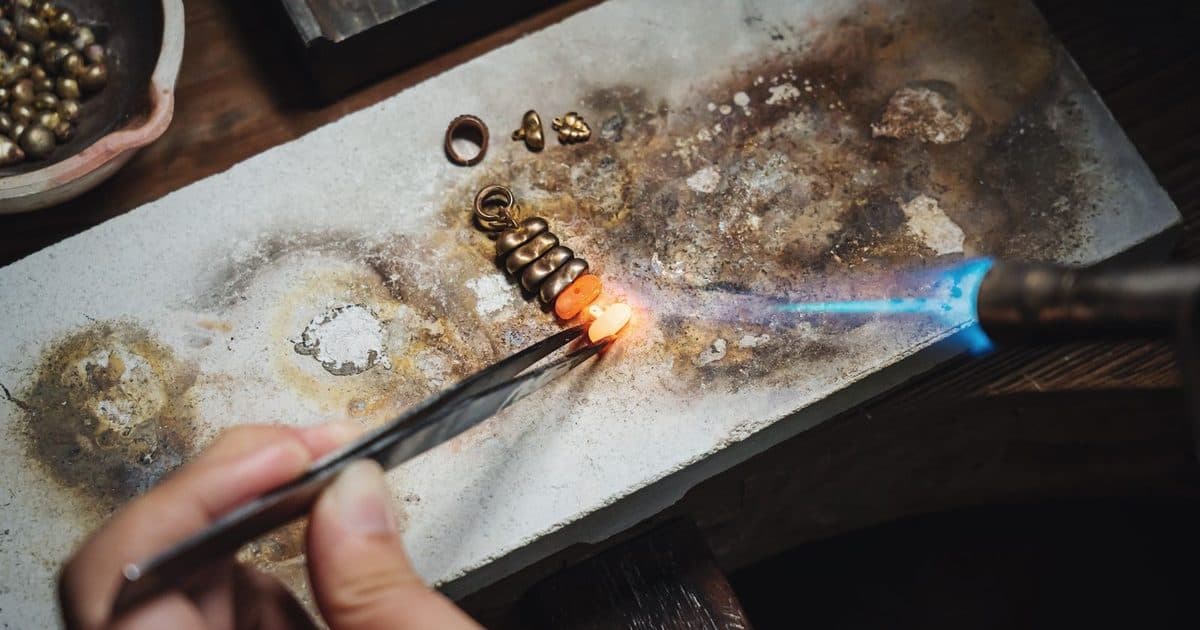
- The armour. Sheet brass or copper: drawn, cut with shears, worked in repoussé from the back to raise the relief, then chased on the front with punches. On the shield, the coat of arms that identifies the character from a distance.
- Painting. Skin tone, eyes, beards, then the shield. This is where Orlando becomes Orlando rather than some other knight.
- The costume. Skirt, cloak, plume: colours and fabrics follow a code regular audiences know by heart.
- The rods. One into the head, one to the right hand, and the sword mounted so it can leave its scabbard. Without rods a pupo is a statue; with them it becomes an actor.
No workshop of a few hours lets you build a whole pupo: that takes weeks, and a hand trained over years. What a workshop can do is isolate one stage and hand it to you in full, as carving and sculpture workshops for complete beginners do: a small object, one technique, a result that leaves with you. Except that here technique, tools and material are those of the puppet you will see on stage that evening.
What you can actually do with your own hands
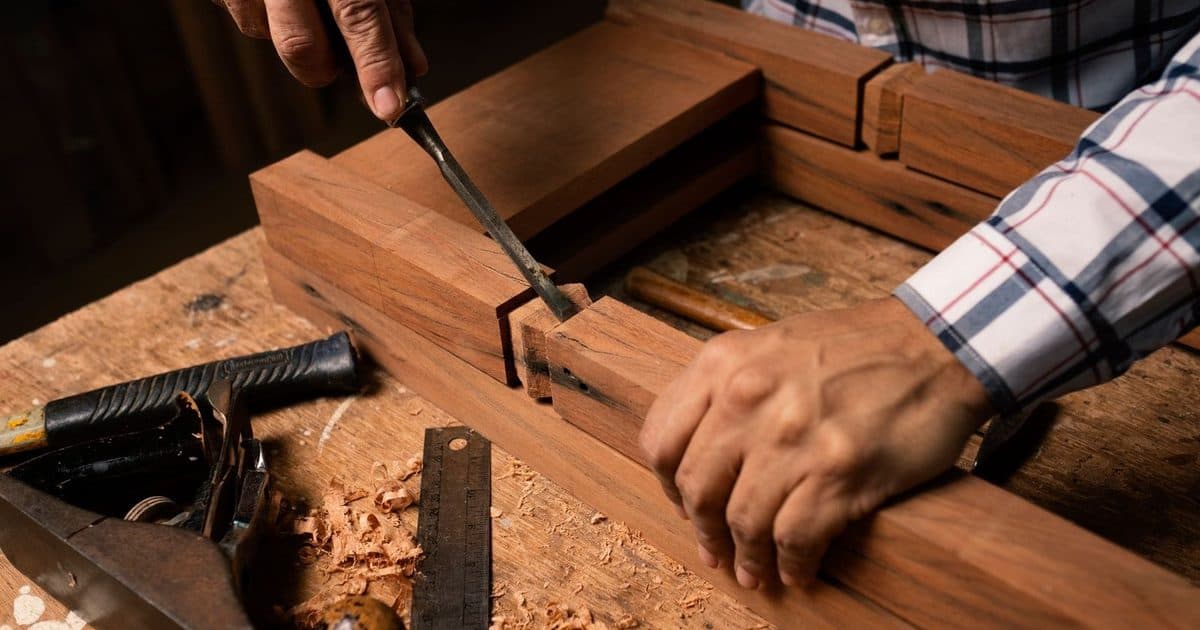
- Carving a face. On a small board or block, you rough out a face with gouge and knife. It is the most demanding stage and the most satisfying: when the nose emerges from the wood you understand why the head is the heart of the trade. You go home with the face roughed out, to finish later or keep as it is.
- Repoussé in brass. A small shield or a plate of armour: trace the design, raise the relief from the back on a bed of pitch or leather, refine the front. It fits in a suitcase and explains, better than any photo, the work in a full suit of armour.
- Painting a shield. A coat of arms or a miniature scene like the ones on the poster-boards. For anyone who would rather not hold sharp tools.
- Handling. Almost every session puts a stage puppet in your hands for a few minutes: walking it, drawing its sword, feeling the weight of the rods. That is the moment when the show changes meaning.
Choosing the workshop, and what moves the price
The criterion that matters most is who teaches: someone who builds pupi and puts them to work in a theatre, not an entertainer with a kit. You can tell from the bench with heads in progress, from descriptions that talk about wood, brass and rods instead of generic fun. For carving and repoussé the group has to be small, because the teacher's hand has to reach yours; painting copes with bigger tables. The full reasoning is in how to choose the right workshop.
On price, it is more useful to know what moves it than to compare figures: the material (a sheet of brass and a set of punches cost more than a wooden board), the length of the session, how many people the artisan follows at once, whether the piece is partly prepared for you, and whether the experience also includes the show. Read the figure alongside those variables, never on its own.
The audience sees the paladin. Whoever made him still sees, under the paint, the mark of the gouge.
A few practical notes. Dress for a place that produces wood dust and metal filings: sleeves you can roll up, no rings, closed shoes; the rest is in what to bring and how to dress for a workshop. If you can, pair the session with a show the same evening: once you have held the rods, the paladins' entrance is a different experience. And for someone who loves Palermo or the theatre, an experience like this can be given from a distance with a gift card.
Frequently asked questions
- Can you visit a Sicilian puppet workshop in Palermo and take part in building one?
- Yes, when a puppet builder opens their workshop for a session. You don't build a whole pupo in one go: you work on one stage, usually carving a face, raising a brass shield in repoussé, or painting, with the tools and materials of the trade. Dates are in the workshops section on Handsome; search for Palermo.
- Do I need to know how to carve or draw?
- No. The sessions open to the public start from zero: the teacher prepares the piece, shows you how to hold the tool and follows every step. Anyone already used to gouges or metalwork will get further in the same time; the result is within reach of everyone.
- Do I take home a whole puppet?
- No, and be wary of anyone who promises one in a few hours. You take home the piece you worked on: a roughed-out face, a brass shield or armour plate, a painted coat of arms. A complete pupo is commissioned from the artisan as a finished work, on the timescale of a real build.
- Is it suitable for children?
- It depends on the stage. Painting and handling a puppet work well even for younger children with an adult; carving with gouges and repoussé with punches and a hammer are for older kids and adults. Each listing states the minimum age.
- What language is the workshop in?
- Italian and, often, English too when the teacher is used to visitors from abroad. The language is stated on each workshop listing: check it before booking.
Dates published by Makers are booked and paid online: your place is confirmed before you travel.
Search workshops in Palermo