You move to Milan for work and within weeks the logistics are solved: the desk, the gym, the route that avoids the wrong metro line in the morning. The city is efficient about that. What lags behind is everything else. Your recent contacts are colleagues, a landlord, and a colleague's colleague. Not because Milan lacks things to do, but because nearly all of them assume you already have someone to do them with.
The advice everyone gives you is aperitivo. The Milanese aperitivo is a genuine ritual and worth experiencing, but as a machine for meeting people it has a design flaw: it asks you to manufacture conversation out of nothing, standing up, holding a glass, over a noise level that eats your opening sentences. If Italian is still something you assemble in your head before saying it, that is a lot to ask on a Thursday.
Why aperitivo rewards people who already have a group
A crowded bar consolidates. Groups arrive already formed and stay that way, and anyone walking in alone has to slide into a conversation in progress with no legitimate excuse. There is no shared object: nothing to look at together, so nothing to ask about except where you're from and what you do - the two questions you were hoping to take a night off from. And the exit is always there: after a stretch of silence you pay and leave, and nothing has happened.
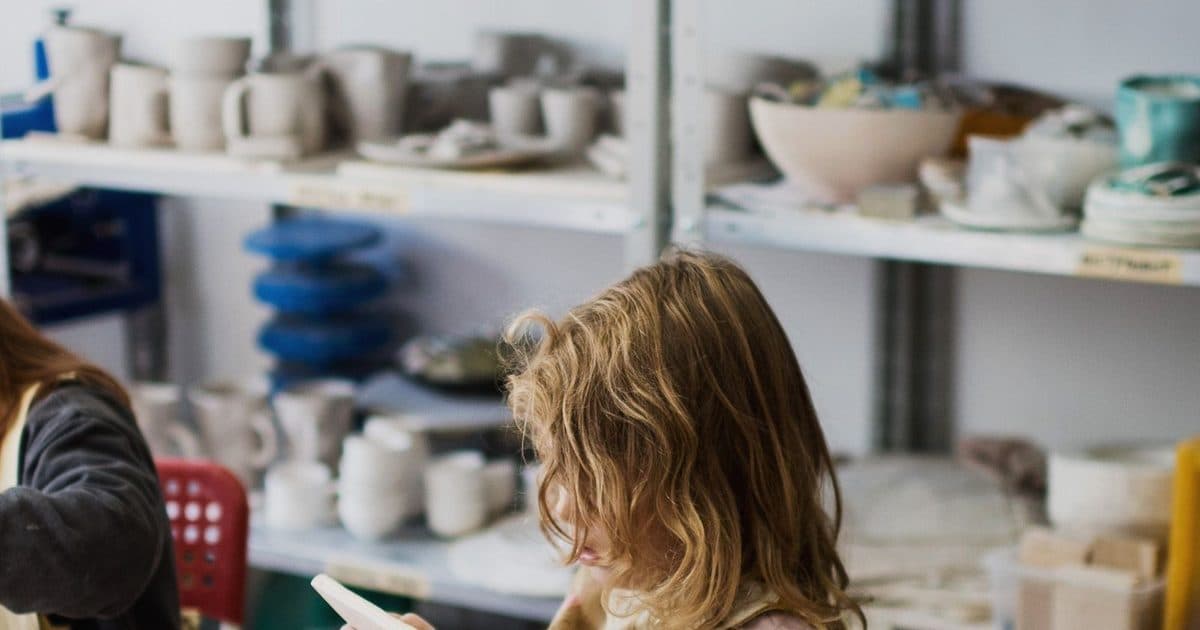
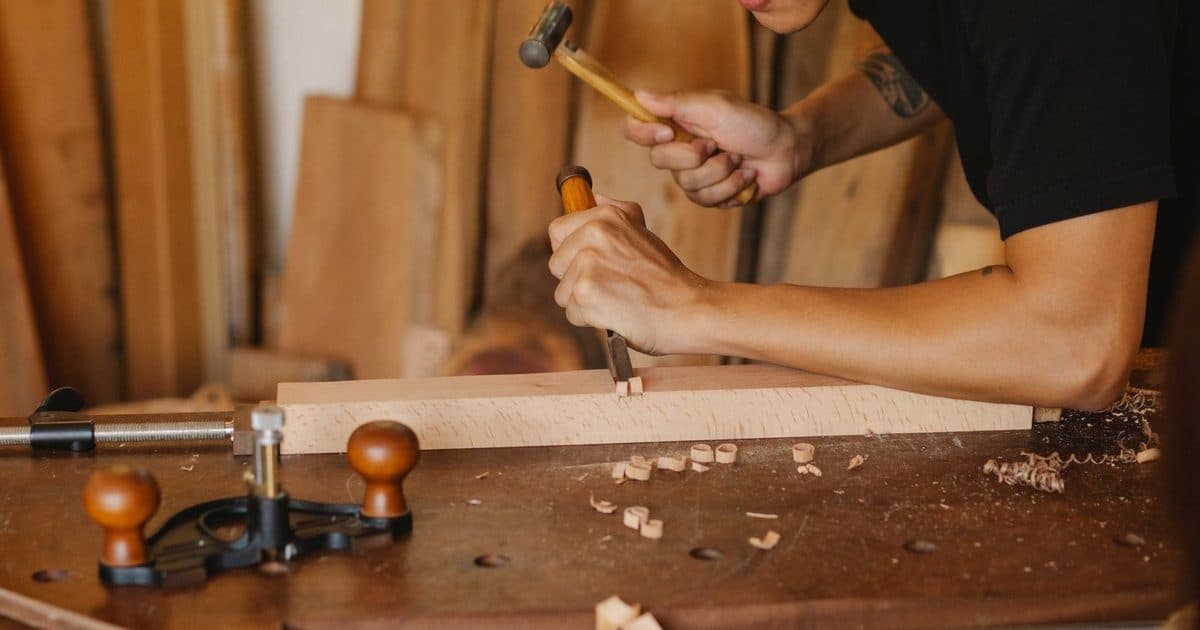
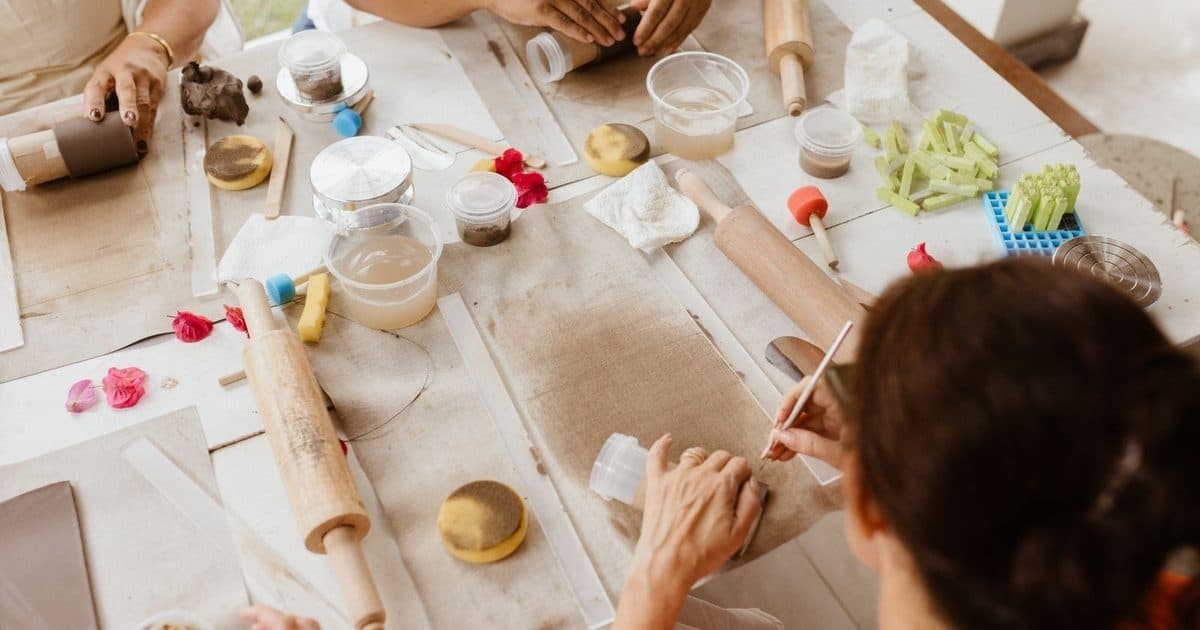
A craft workshop solves the same problem from the opposite direction. It puts you at a table with strangers and hands all of you the same task, using a material none of you knows how to handle yet. The conversation doesn't have to be produced; it shows up because it is needed. You ask for the tool. You watch how the person beside you did the thing you cannot do. Nobody is socialising. Everybody is trying to keep an object upright.
What changes at a table where everyone's hands are busy
The first effect is levelling. Everyone is a beginner in the same way, which suspends the implicit hierarchy of Milanese rooms: who you know, where you work, what the badge says. Nobody opens with what do you do; they open with how did you keep that edge straight. The second effect matters more: your eyes have somewhere to rest. Talking is easier when you aren't looking a stranger in the face, the same reason people say things in a car they would never say across a dinner table. It lowers the language stakes too: a demonstration is understood before it is translated.
- Shared materials in the middle of the table: passing something is already an exchange, and the first one happens before you can overthink it.
- The collective mistake: when half the table gets the same step wrong at the same moment, the ice breaks itself.
- The Maker moving between seats: someone who teaches for a living spots the person who came alone and introduces them to a neighbour, because a group that gels makes for a better session.
- The end, when the finished pieces line up side by side and everyone inspects everyone else's: that is where contacts get exchanged.
How to choose a workshop when the point is meeting people
Socially, workshops are not interchangeable, and the difference is visible in the listing. Group format is the big one: a shared table, where everyone can see everyone, produces one conversation you can join whenever you like, while separate stations facing a wall produce a quiet, focused room - lovely, but a different evening. The general criteria are in how to choose the right workshop for you; below are the ones that matter only when you're there for the people.
- Seats: few enough to stay one conversation, enough that you can drift if the person beside you isn't a match.
- Layout: a shared table beats individual stations when you want company and not only technique.
- Built-in waiting: a firing, a drying stage or a dough that has to rest hands you the minutes in which people actually talk.
- The ending: closing with something shared, a tasting or a photo of the finished pieces, gives you a natural last line.
- The same Maker's upcoming dates: almost nobody checks this, and it counts most.
That last point deserves the emphasis. Meeting new people in Milan is not hard: it happens daily, in lifts and coffee queues. The hard part is meeting the same person twice, because that is when a face becomes a name and a name becomes someone you can text. A recurring calendar gives you exactly that, which is why it pays to open the profile of whoever is teaching rather than the single event: on Maker profiles the upcoming dates sit together.
Crafts that make people talk, and crafts that ask for silence
Cooking is the most sociable of all, for reasons as old as eating: you work in pairs or small clusters, tools and ingredients move constantly between hands, and at the end you sit down and eat what you made - still the most reliable setting ever devised for talking to strangers. Mosaic, macrame and weaving succeed for the opposite reason: after the first stretch your hands carry on by themselves and your mind is free.
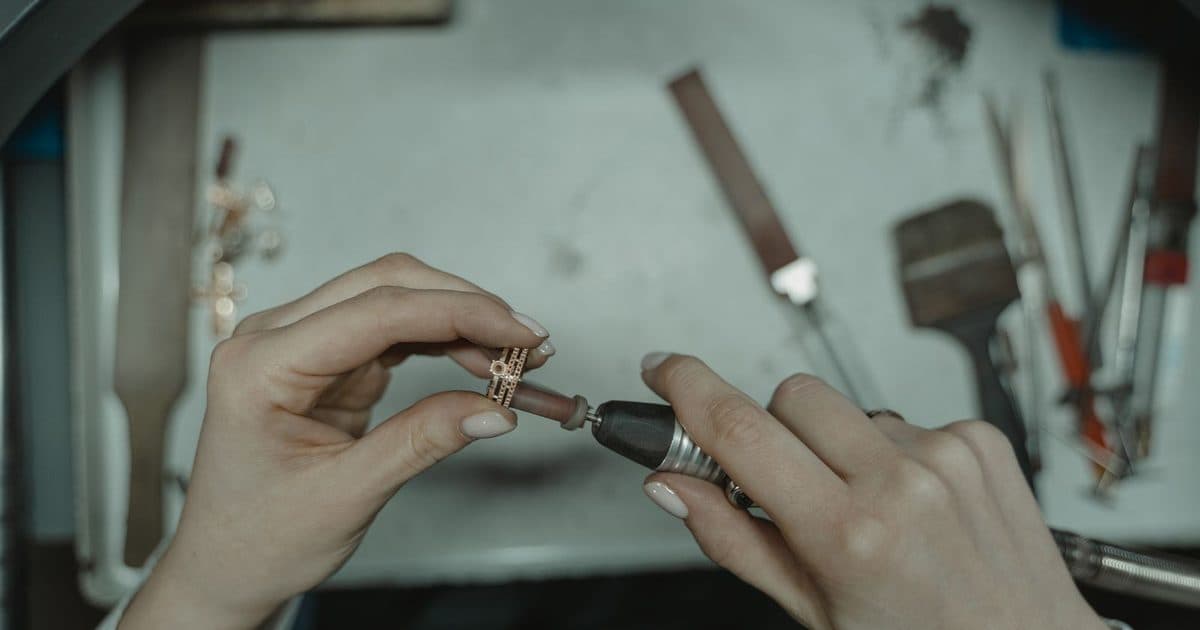
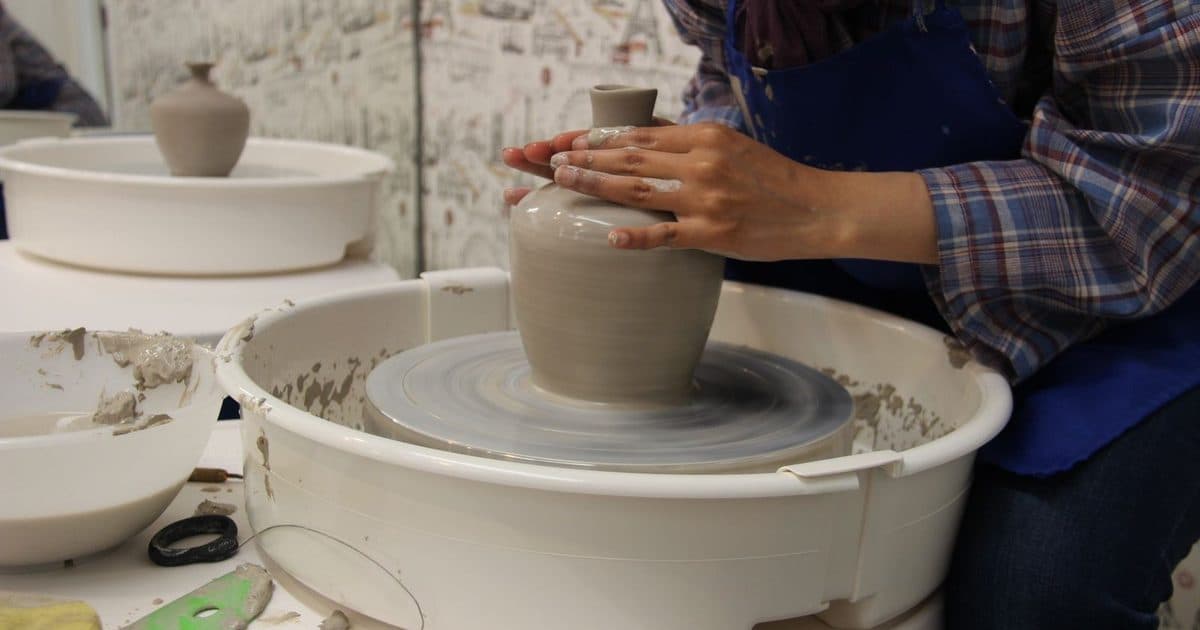
On the other side sit the crafts that demand full attention: the potter's wheel, calligraphy, fine jewellery work where a millimetre decides the outcome. Not wrong choices - the conversation simply arrives in the pauses rather than during. Then there is a very Milanese category, sewing and tailoring: in a city where fashion and design are part of many people's working week, it puts shared references around the table before anyone speaks. If that's your world, look at fashion and couture workshops in Milan. Whichever craft you pick, the first time is simpler than you imagine: you book and pay online, you turn up, and the materials are already laid out.
Frequently asked questions
- How do you meet people in Milan after moving there for work?
- You need a setting that gives you something to do together, not just somewhere to be. Activities with a shared task - craft workshops, hands-on classes, team sports, volunteering - beat bars, because the conversation comes out of the activity rather than having to be invented. The deciding factor is repetition: pick something that recurs, so you meet the same people twice.
- Is it normal to attend a craft workshop alone in Italy?
- Yes, and it's the better choice if meeting people is the goal. Solo attendance is ordinary, the Maker usually runs introductions at the start, and the group forms around the work. Bring a friend and you'll spend the session talking only to them.
- Do I need to speak Italian?
- Not to follow the work. A workshop is demonstration-led: you watch, you copy, you ask short practical questions, and the object in front of you explains most of what words would. Still, check the language of a session before booking, and ask the Maker directly if it matters to you.
- Which crafts are best for socialising, and do I need experience?
- No experience is needed: sessions open to the public are built for beginners and materials are included unless the listing says otherwise. For company, pick a shared table and a process that tolerates chatting - cooking, mosaic, weaving, guided painting. The wheel and calligraphy demand quieter concentration.
- What makes one workshop cost more than another?
- The craft and what it consumes: materials such as clay, silver, yarn or ingredients, machinery and kiln use, session length, and group size, since fewer people means more attention each. On Handsome the figure shown on the experience page is the figure you pay, with nothing added at confirmation.
You book online, materials are included, and you arrive at the table the way everyone else does: knowing nothing.
Browse workshops in and around Milan