It depends on what happens to the food. If everyone takes home a sealed container, that is one situation; if at the end of the class you all sit down and eat what you made, that is another. Who decides which one you are in is not an article: it is your local health authority (ASL), together with your town's one-stop business desk (SUAP).
The answer you find online is always the same: "yes, you need HACCP". That is not an answer, it is a quote. It almost always comes from whoever sells that course. Here we try to draw the distinction nobody draws, and to give you the right questions to take to the desk before you open bookings.
Three situations that look alike and are not
A workshop with food can end in three different ways. It looks like a nuance and instead it is the starting point of every assessment.
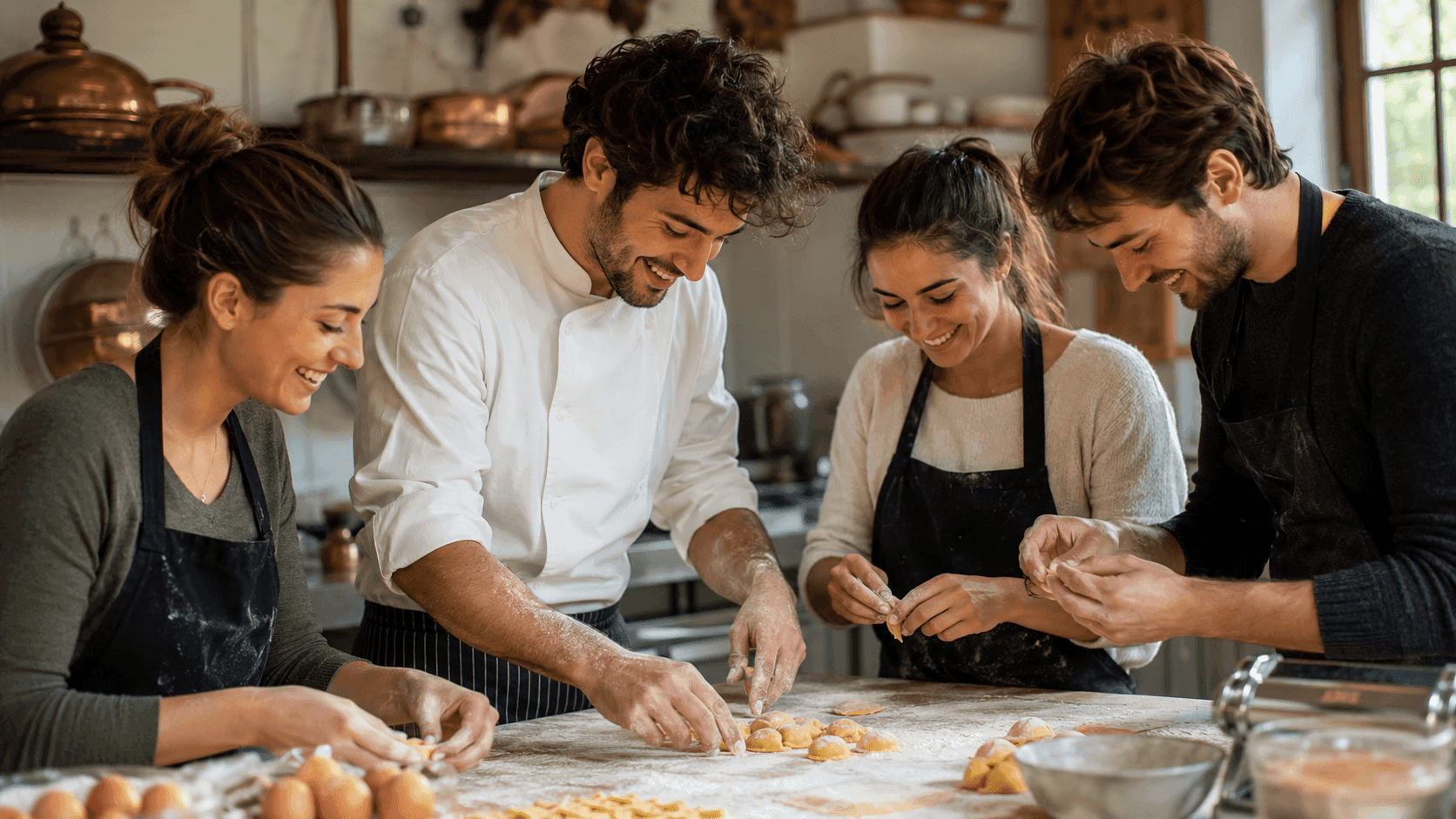
- It gets taken away. Everyone packs their own jar, loaf or batch of biscuits, closes the container and takes it home. Consumption happens elsewhere, later, and out of your control.
- It gets tasted. During the session someone tries a spoonful of batter, or bites a biscuit straight from the oven to check the bake. It is a teaching gesture, inside the process.
- It gets eaten. At the end the table is laid, the dish becomes a meal, perhaps with something to drink alongside.
For the people attending these are three versions of the same day. For whoever inspects, they are three situations that can be classified differently, because the risks change: the cold chain, storage, who answers if someone falls ill, and above all whether food is being served to people or not.
The third case is the one closest to a catering service, and it is usually the one where requirements go up. The first is the easiest to handle, but easy does not mean exempt: you are still handling food that leaves your space and ends up in someone else's kitchen.
What the European framework says, and what it leaves to local rules
The general reference is Regulation EC 852/2004 on the hygiene of foodstuffs. Two obligations come from there and keep coming back: a self-control plan built on HACCP principles, and training for anyone who handles food.
HACCP is not a certificate on the wall: it is a method. You look at the points where a hazard can appear along the process (who you buy from, how you store, at what temperature you keep things, how you cook, how you clean) and you write down what you do to keep them under control, who does it and how you record it. A plan copied from a generic template describes a workshop that is not yours, and during an inspection it shows.
The training certificate is yet another thing: it concerns the people who touch food. Who must hold it, how it is obtained and how often it is renewed are regional matters, and they change from Region to Region. That is one of the reasons you will not find here a list of requirements valid from Bolzano to Ragusa: it does not exist.
Before you open bookings, ask your local ASL which of the two applies to you, and in what form.
The health notification: what it is and where it goes
Starting an activity that involves food is communicated to the health authority through a notification. It is not an authorisation you wait for in silence: it is a communication that puts what you do on the list of activities subject to inspection.
In several Regions the paperwork no longer goes straight to the ASL: it goes through the SUAP, the town's one-stop desk for productive activities, inside a single combined filing. In others the route is different. The thresholds too, meaning what triggers the obligation and from what frequency or size, are not uniform.
This is the part that makes any list copied from the internet useless, ours included. The difference is not between north and south: it is between one town and the next.
And there is a second track running alongside this one, because food is not the only thing being looked at: letting paying people into a working space touches the zoning of the premises, the SCIA filing and again the SUAP. We covered that path separately, in letting paying guests into your workshop: the permits you actually need.
The questions to take to the ASL and the SUAP
Do not show up at the desk with the label "I run a class": show up with the exact scene. These are the details the answer is based on.
- What gets prepared and with which ingredients, and whether any of them are more delicate: creams, raw eggs, meat, fish, milk and dairy.
- What happens to the finished product: taken away sealed, tasted during the session, eaten on the spot. If two of them happen together, say so.
- Where you work: an equipped workshop, a professional kitchen, a home kitchen, a space lent by someone else.
- How many people at a time and how often: one Sunday a month is not two evenings a week.
- Who puts their hands in the food: only you, or the participants too.
- Whether the class is your main activity or an addition to craft work you already do in that same space.
And then the question almost nobody asks: ask for the answer in writing, even just in an email. An answer given over the phone does not exist on the day you need it.
Allergens are a chapter of their own
There are 14 allergens to declare, and they do not concern cooking alone: nuts, milk and dairy also end up in a cream someone spreads on their skin at the end of a cosmetics workshop. We are not repeating it here because there is already a dedicated piece: how to handle allergies and intolerances in workshops.
The practical part is simpler than it sounds: you ask in advance, not on the morning itself, and you have an answer ready for every ingredient you bring to the table. On Handsome you write to whoever booked through the platform's messages: the message stays in the booking's thread and the recipient also gets an email alert.
Soaps and creams: same reasoning, different line
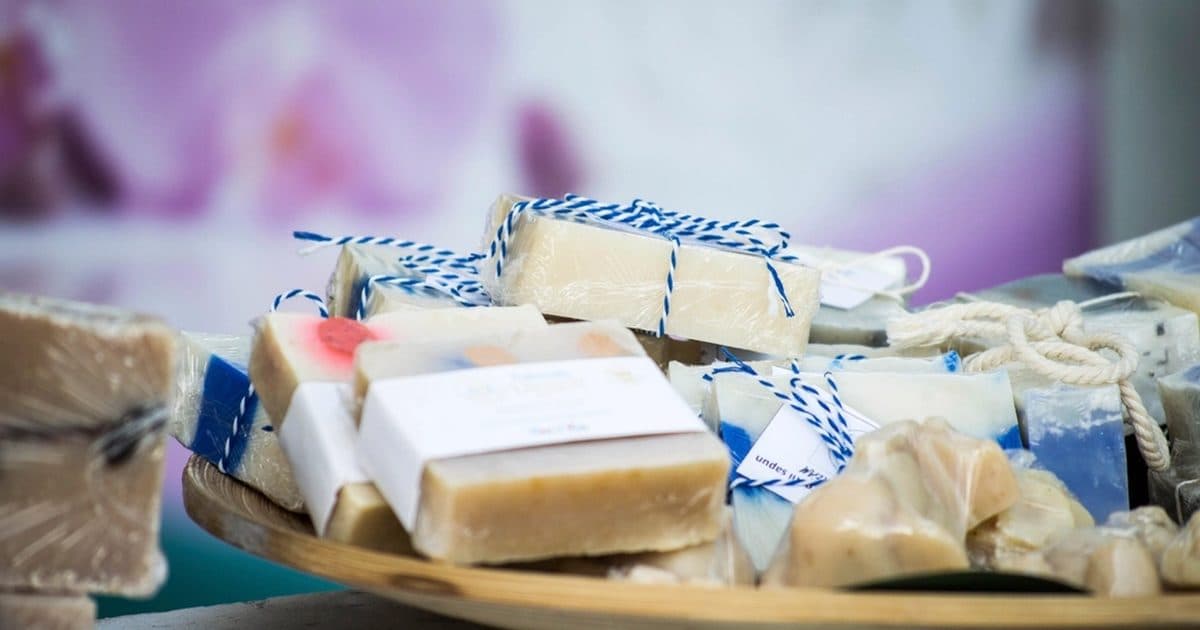
In cosmetics the question takes a different shape but the logic is identical: what matters is what leaves the workshop, and under what title. Regulation EC 1223/2009 requires, in order to place a cosmetic product on the market, a safety assessment and an identified responsible person, and those are not the only obligations. They are designed for whoever sells, not for whoever teaches.
What the participant makes during the workshop stays theirs: they take it home and use it. It does not become a product for sale, and it must not be sold as one. Not because a platform says so, but because selling cosmetics is a different activity, with requirements that an afternoon in a workshop does not cover.
On how to build this kind of workshop safely, starting from why beginners get melt and pour rather than cold process with caustic soda, there is already the dedicated guide to natural soap and cosmetics workshops.
The same rule applies here too: before you open bookings, check with the ASL and the SUAP of your town.
How to write all this into the listing
Once you know what you can do, it remains to say it plainly to whoever books. The workshop listing has the right fields for that.
What you take home is where you write that two sealed jars leave the room, or a tray of biscuits, or nothing at all because everything gets eaten there. When you take it has three answers (right away, studio pick-up after a few days, shipping) and for food the first two are the ones that matter: straight away at the end, or pick-up after the number of days you state. It is not a cosmetic choice: it says when the food leaves your space, and it is the same information you need for your own control plan.
Cooking & Gastronomy is one of the 17 macro-disciplines, Candles, Perfume & Cosmetics is another. Under the macro category you can tick up to five sub-disciplines: they are not mandatory, but that is where it becomes clear whether you do fresh pasta, chocolate or bread, and it matters to whoever is searching too.
There is also an FAQ section inside the listing. If one of your workshop rules is that raw dough does not leave the building, write it there: it is exactly the question you would be asked in private.
Three things to settle anyway
Whatever the ASL answers, with food and cosmetics there are three chapters to close regardless.
- Insurance cover. Someone feeling ill or cutting a finger is not solved with good faith: what public liability cover really needs to include for workshops.
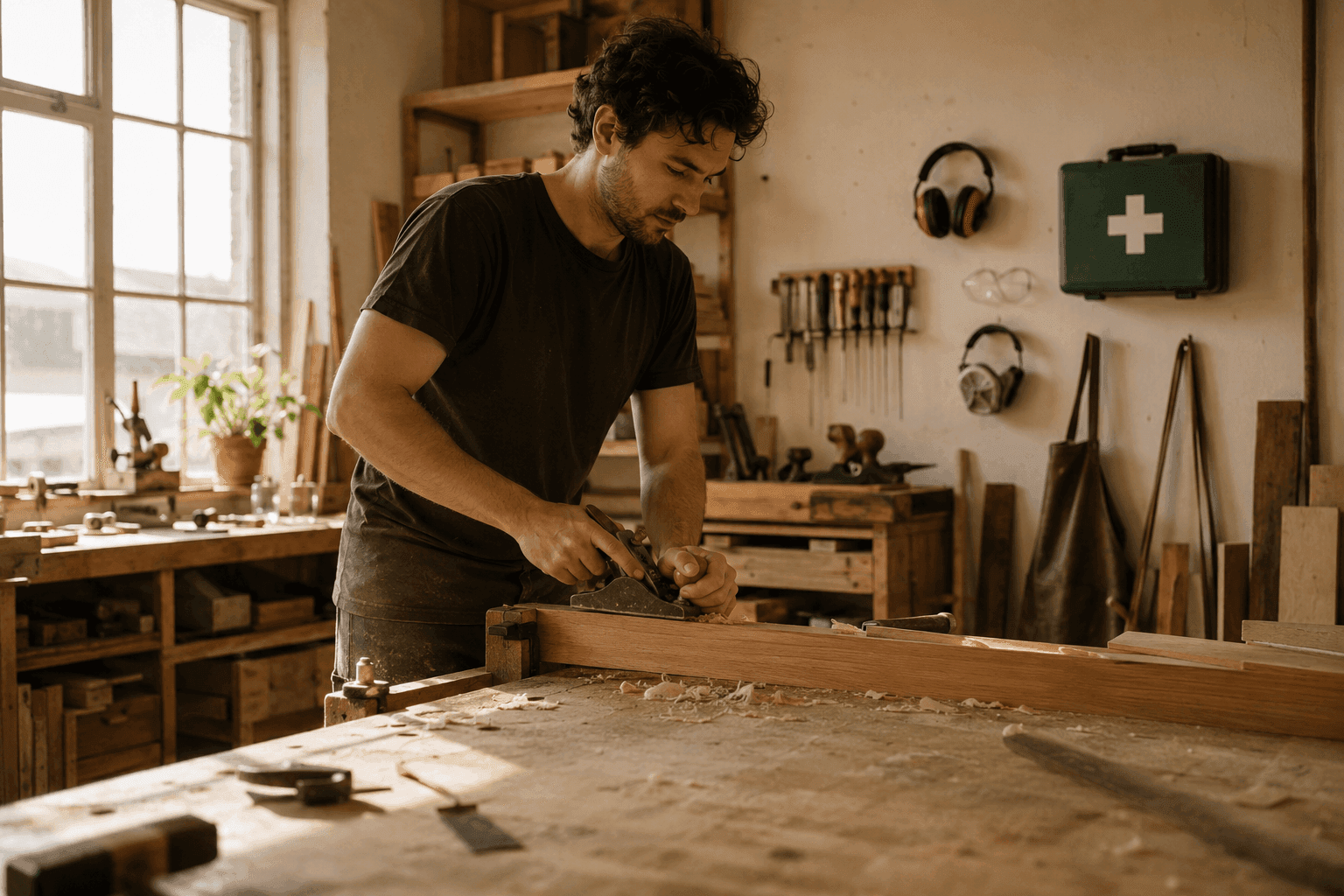
- Safety in the space. Knives, hobs, hot ovens and people who have never used them: first aid and safety in the workshop.
- How the revenue is classified. What you take in from the class has its own code and its own tax regime: business code and flat-rate scheme for workshop revenue.
And if you are still designing the class, the format itself (what gets cooked, in how long, what stays in their hands at the end) is covered in cooking and pastry workshops: building an experience that sells.
What we cannot tell you
We are not food safety professionals and this is not an opinion. The rules that count for you sit partly in a European regulation and partly in regional and municipal acts that change from one address to the next. The only thing that holds everywhere is the order of the moves: ask first, open bookings after. Not the other way round.
And it is work you do once. Once you have clarified what you can do in your space, that answer serves every class that comes after.
Frequently asked questions
- Do I need HACCP for a cooking class?
- It is not a yes or no question. Regulation EC 852/2004 requires a self-control plan based on HACCP principles from those carrying out activities with food, and training for those who handle it. Whether your class falls inside it, and in what form, is decided by your local ASL looking at what you prepare, where, and what participants do with it.
- Can I let people eat what we make on the spot?
- That is the situation closest to catering and usually the one with the highest requirements. It is not banned outright, but it has to be asked about in advance, describing the exact scene: how many people, what gets prepared, where they sit.
- Does it change anything if everyone takes home a sealed jar?
- It can change the classification, because consumption happens elsewhere and later. It does not exempt you from basic hygiene, nor from knowing what you used and where it came from. Ask anyway.
- Can I hold the class in my home kitchen?
- That is the most delicate case, because two separate questions add up: whether the premises are suitable for handling food, and the zoning of the property. Some towns allow it under conditions, others do not. It is the first question to ask, not the last.
- Can the soaps made during the class be sold?
- Those are made by the participant and stay theirs. Selling cosmetics is a different activity, with the safety assessment and the responsible person required by Regulation EC 1223/2009: it is not something you bolt onto a workshop.
- Is the HACCP certificate enough on its own?
- No. The certificate concerns the training of the people who handle food. The self-control plan and the notification to the health authority are different obligations and do not replace one another.
Signing up is free and the listing saves as a draft: you publish it once your checks with the ASL and the SUAP are closed.
Open your free profile on Handsome