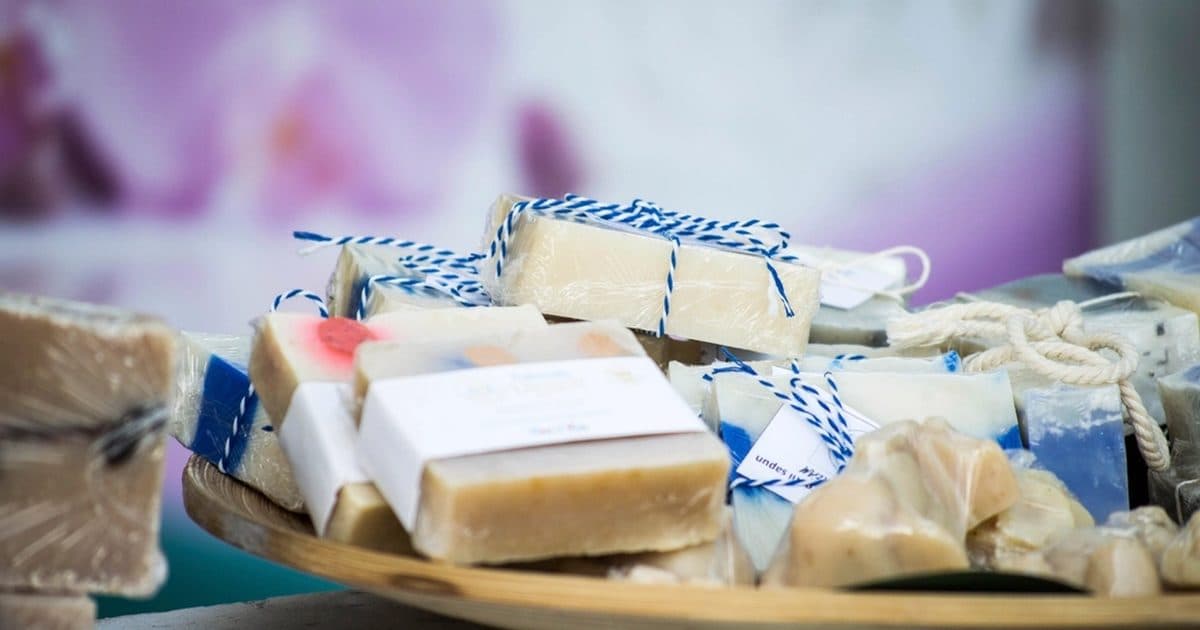
A natural soap and cosmetics workshop has huge appeal: scents, colors, the idea of making something good for your skin with your own hands. But unlike other disciplines, here chemistry is involved, and safety isn't a detail: it's the foundation. The good news is that perfectly safe methods exist for beginners. Let's see how to build a beautiful and responsible experience.
Melt and pour vs lye: for beginners, choose the first
For workshops with the public avoid working with lye (cold process): it involves handling a strongly corrosive substance, unsuitable for novices to handle in a few hours. The ideal method is melt and pour: you start from an already-saponified soap base, melt it, scent, color and pour into molds. Zero lye, no serious chemical risk, a beautiful and immediate result. Keep advanced techniques for separate courses with proper protection.
The workshop structure
- Sensory intro (15 min): smelling oils and fragrances, choosing your own "recipe". Engaging right away.
- Demo and safety (15 min): you show the process and explain the few rules (heat, dosing, hygiene).
- Creation (50–70 min): each person melts, scents, colors, pours. The beauty is personalization.
- Cooling and packaging (20 min): while it solidifies, you prepare labels and packaging to take home.
Labeling: what to know if you then sell
Mind an important distinction: having a soap made in a workshop is one thing, putting cosmetics on the market is another. Selling cosmetics is governed by strict rules (EU Regulation 1223/2009) with safety and labeling obligations. For a "self-production" workshop the picture is simpler, but if you plan to sell your soaps get well informed: the reference is the Italian Ministry of Health and EU cosmetics law. In any case, always declare the ingredients of the kits you use.
What they take home
- Their personalized soaps, carefully packaged.
- The recipe and ingredient list to remember what they used.
- The urge to try different scents: a great hook for a second seasonal workshop.
Once the safe format is defined, on Handsome you publish it with dates, seats and bookings with direct deposit at 0% commission. You guarantee safety in the studio; the platform provides admin and visibility.
Frequently asked questions
- What's the safest method for a soap workshop with beginners?
- Melt and pour: you start from an already-saponified soap base to melt, scent, color and pour into molds. Avoid cold-process lye work with the public, because it handles a strongly corrosive substance.
- Can I sell soaps made in workshops?
- Having a soap made in a workshop differs from putting cosmetics on the market: selling is governed by strict rules (EU Regulation 1223/2009) with safety and labeling obligations. If you want to sell, get well informed; the reference is the Ministry of Health and EU cosmetics law.
- How do I handle allergies and essential oils?
- Collect allergies and sensitivities before the event, work in a ventilated space, carefully dose essential oils (not all suitable for sensitive skin or pregnancy) and have gloves used where needed. Safety comes before aesthetics.
Dates, seats and managed bookings. 0% commission, deposit straight to your account.
Publish your cosmetics workshop