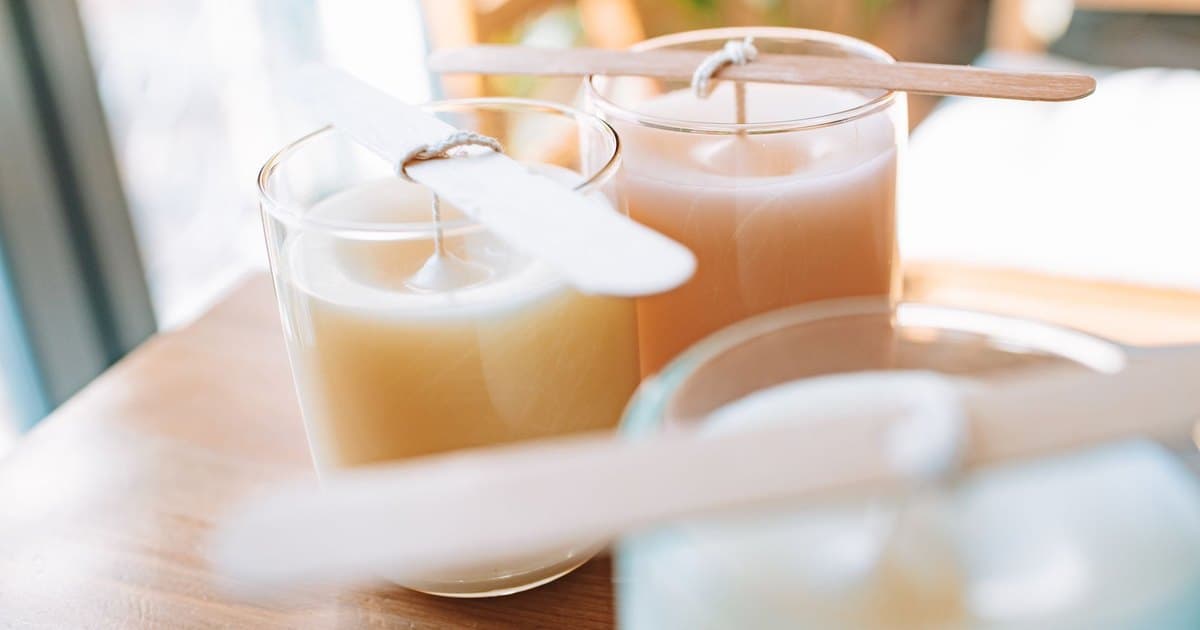
The candle-making workshop is one of the most popular with people who have never made anything by hand, for three reasons: you work cleanly, in one afternoon you leave with a finished object, and that object actually gets used. But a well-made candle is not wax poured into a jar. Behind it there are three choices, the wax, the wick and the scent, and a workshop is above all about understanding how to make them.
Waxes: what changes
- Soy wax: plant-based, soft, melts at a low temperature. It is the most used for container candles, the ones in glass or ceramic.
- Beeswax: already scented on its own, of honey, and harder. It is used for pillar candles and for candles rolled from sheets.
- Rapeseed and other plant waxes: often blended with soy, to change texture and how the scent carries.
- Paraffin: derived from petroleum, it is the most common in industrial candles.
Every Maker works with their own wax or blend, and the first thing you learn is why: how it behaves when it melts, how much scent it holds, how it burns.
The wick: the part that decides everything
It is the detail beginners underestimate, and it is what makes the difference between a candle that burns well and one that disappoints. The most common wicks are braided cotton; wooden ones make the little crackle of a fireplace. What matters most is the size relative to the container's diameter:
- Too thin: the flame melts only the centre and the candle digs a hole, the so-called tunnel, leaving wax on the sides.
- Too thick: the flame is tall, the candle gives off black smoke and burns down quickly.
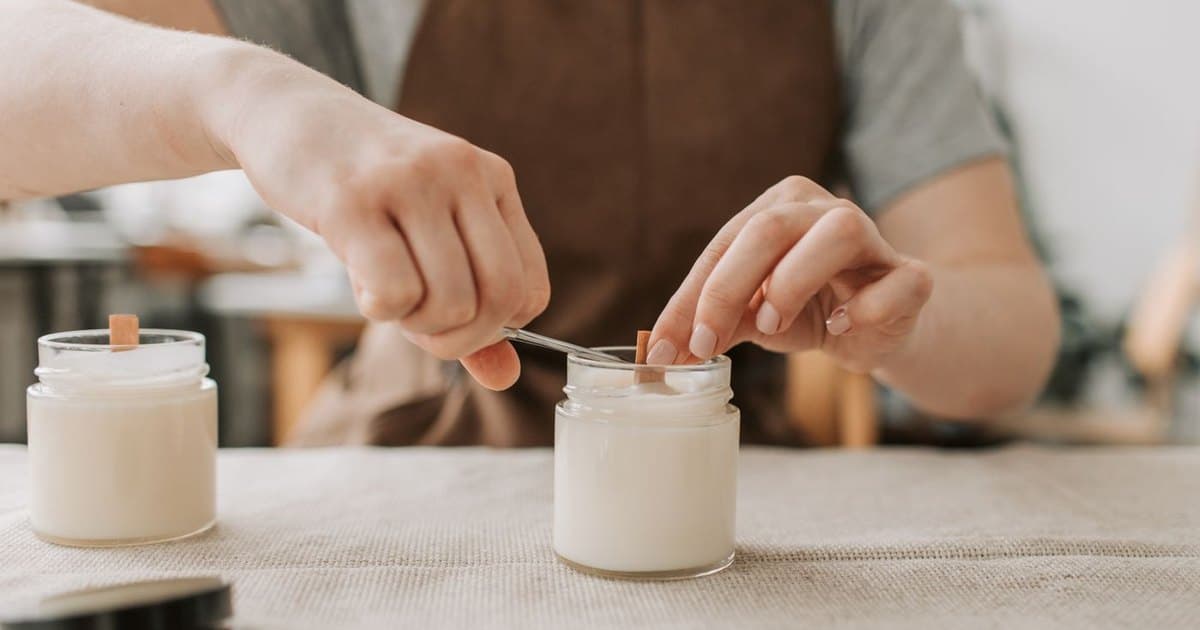
- Crooked: it burns on one side. That is why, while the wax cools, the wick is held straight and centred with a small holder.
The scent
You use fragrances made for candles or essential oils, added when the wax is at the right temperature: too hot and part of the scent is lost, too cold and it does not bind. The Maker tells you how much: more fragrance does not mean a more fragrant candle, and beyond a certain amount the candle burns worse. The most fun moment is choosing: you smell the scents on a paper strip, try a blend, citrus and woods, flowers and spices. Remember that the scent in liquid wax is different from that of the lit candle.
How a workshop goes, step by step
- The introduction: waxes, wicks, safety rules with hot wax.
- The choice: container, a wick of the right size, colour if offered.
- Melting: the wax is melted in a bain-marie or a wax melter, checking the temperature.
- Scent and colour, at the right temperature, stirring well.
- Pouring: slowly, with the wick held straight.
- The wait: the wax needs time to set. It is often when you decorate the label or make a second, smaller thing, such as a wax melt.
- The finish: the wick is trimmed and the candle is ready to travel.
Taking it home and lighting it properly
- The first burn is the most important: leave the candle lit until the surface has melted all the way to the edge. If you blow it out earlier, it tends to tunnel in later burns.
- Before every burn trim the wick to about half a centimetre: the flame stays steady and does not smoke.
- With plant waxes many recommend waiting a few days before lighting it: the scent comes through better.
- Never leave it unattended, keep it away from draughts, curtains and children's hands.
Variations you can try
- In a container: the classic, in glass, tin or ceramic.
- Pillar candles, with a mould: more technical, because the candle has to stand on its own.
- Rolled beeswax sheets: no hot wax or flame while you work, suitable for children too if the workshop allows it.
- Wax melts, for burners: small shapes made with the leftover wax.
Where to try it, in Romagna and the Marche
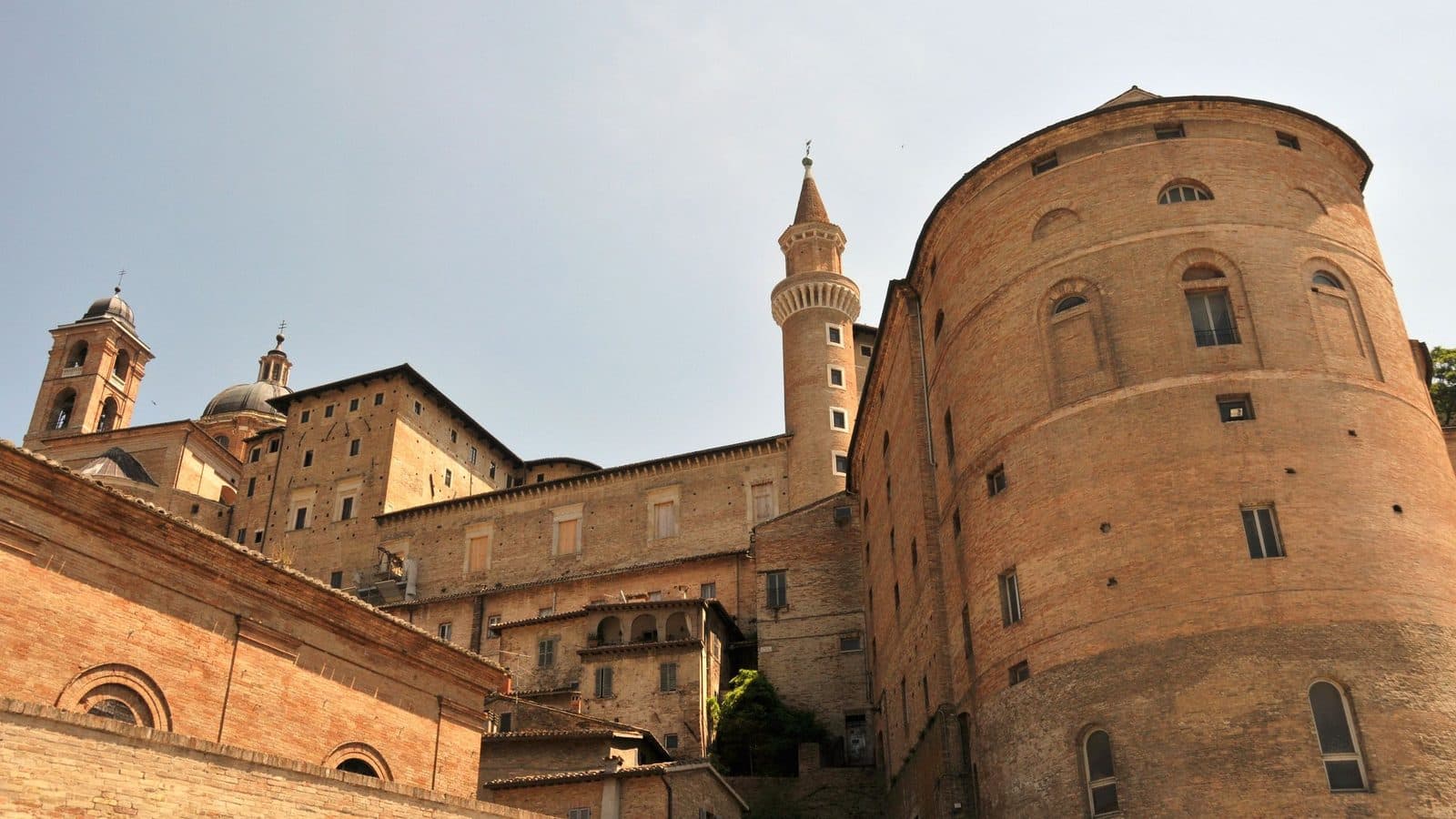
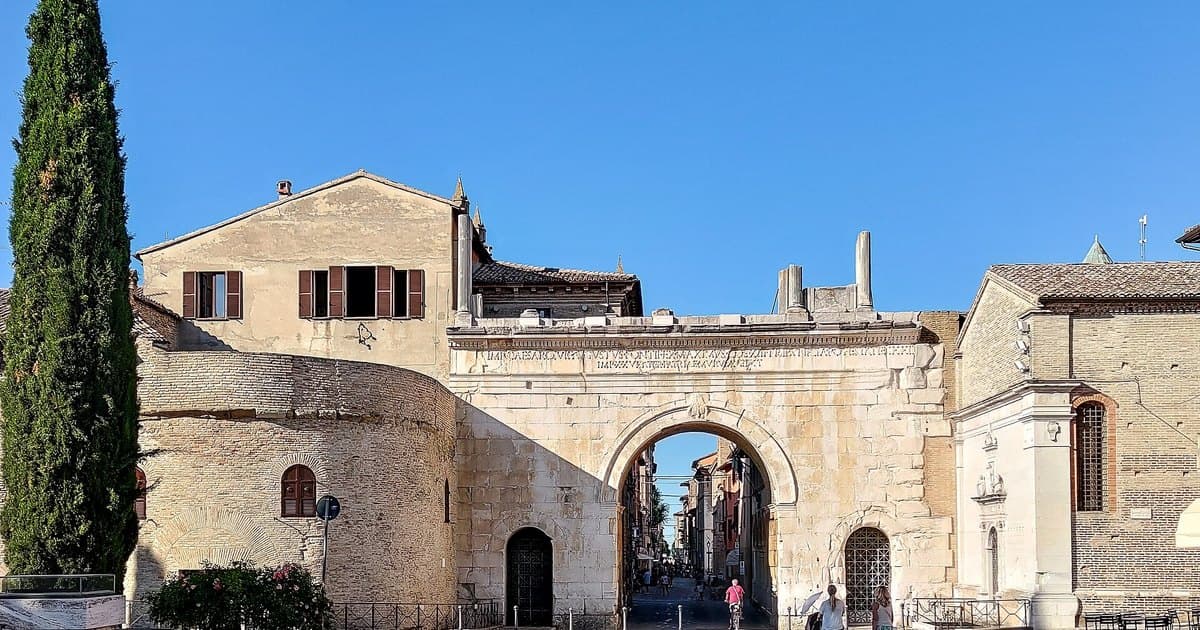
In the Marche there is a village that owes its name to wax: Candelara, in the hills above Pesaro, where in December lit candles become a festival. Its story is in Candelara and its candles. To find a workshop, start from the craft page, candles, perfumery and cosmetics, or from the province pages for Rimini and Pesaro and Urbino. Online you pay only the deposit, 10 euros per seat, and the rest to the Maker on the day of the workshop.
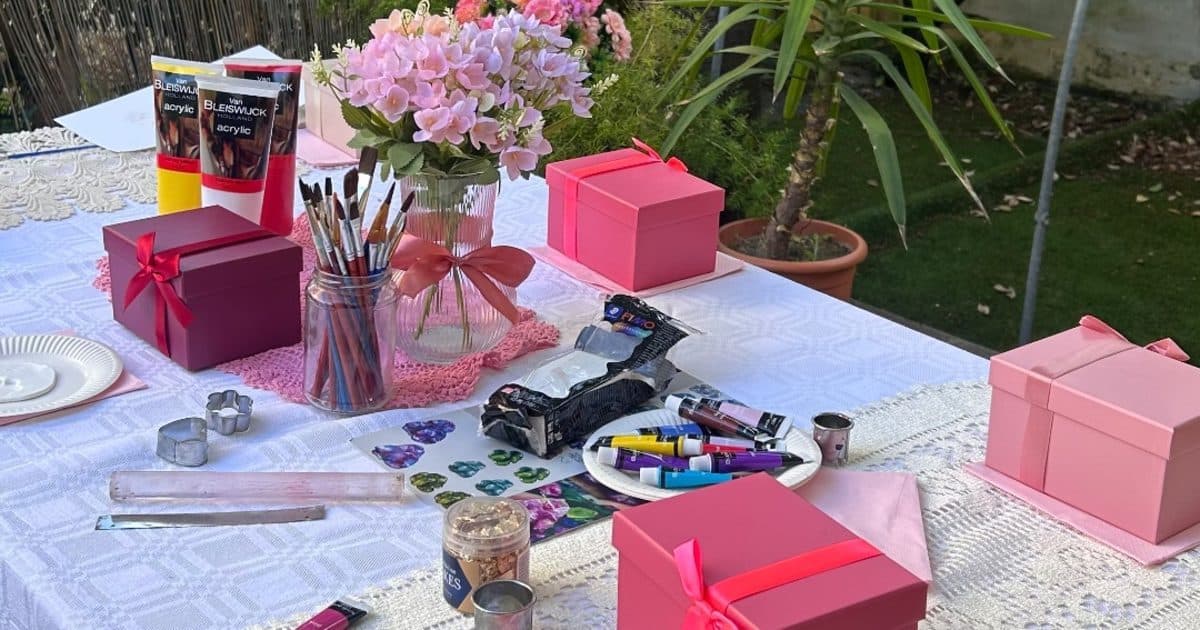
Candles work well in a group too: for a birthday or a hen party you can ask for a private workshop with the private events form. And if you want to give it as a present, there is the gift card, valid for 12 months.
Frequently asked questions
- How long does a candle-making workshop last?
- Usually two or three hours, including the wait for the wax to set. The exact length is on each workshop's listing.
- Which wax is used in a candle-making workshop?
- It depends on the Maker: often soy wax or blended plant waxes for container candles, beeswax for pillar or rolled candles. In the workshop you learn why one wax is chosen over another.
- Can I take the candle home the same day?
- Usually yes, once the wax has set: the workshop listing says how you collect what you made. With plant waxes it is worth waiting a few days before lighting it.
- Is a candle-making workshop suitable for children?
- It depends on the technique: with hot wax it is the Maker who decides from what age, while candles rolled from beeswax sheets suit even the youngest. If a workshop is suitable for children, the listing says so with the age range.
- How much do you pay to book?
- Online only the deposit, 10 euros per seat for group workshops. The rest you pay to the Maker on the day of the workshop, and cancellation is free up to 3 days before.
10 euro deposit per seat, the rest to the Maker on the day of the workshop, free cancellation up to 3 days before.
Find a candle-making workshop