Biella is a small city in Piedmont, north-west Italy, where the plain runs into the Alps, and one of the places where Italian wool is actually made. The mills are still there along the mountain streams, chimneys and all; the soft water coming down from the peaks is why the industry settled here. The odd thing is that Biella wool ends up on the labels of coats sold all over the world, yet hardly anyone who wears them has ever watched a thread go through a loom. If you are wondering where to try weaving in Piedmont, Biella is the obvious answer and, strangely, the one fewest visitors pick.
One distinction first. Touring an industrial mill, where that is possible, means watching machines from behind glass: interesting, but you touch nothing. In a hand-weaving studio the loom is wooden, you set the pace with your feet and arms, and the piece of cloth at the end is yours. This article is about the second kind of place.
What a textile studio looks like today
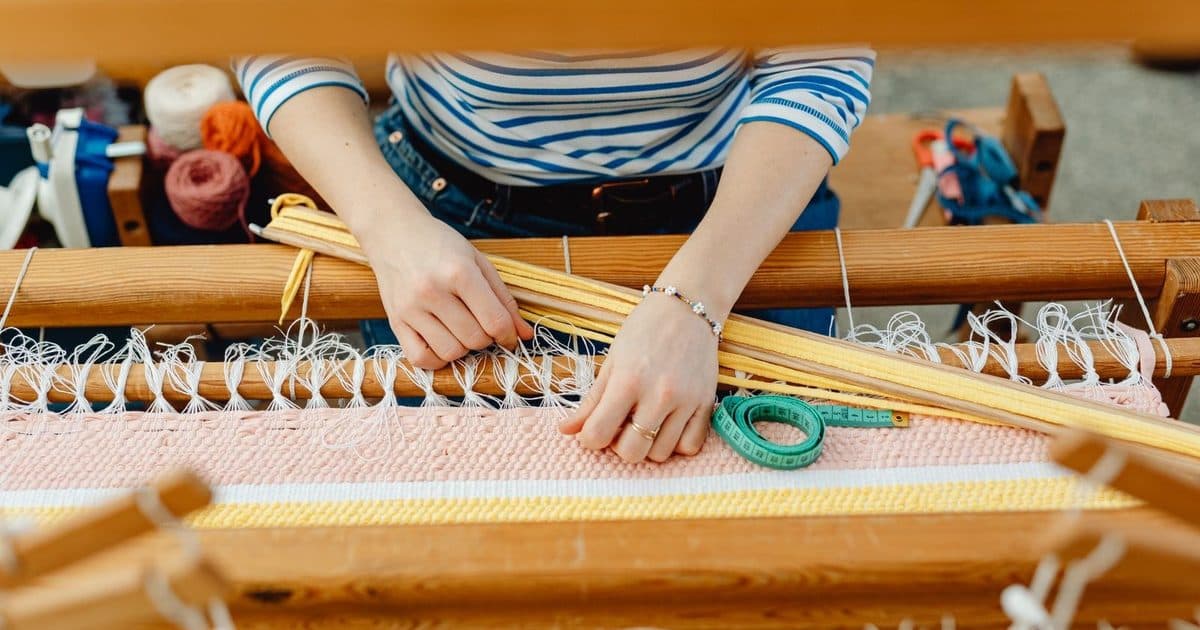
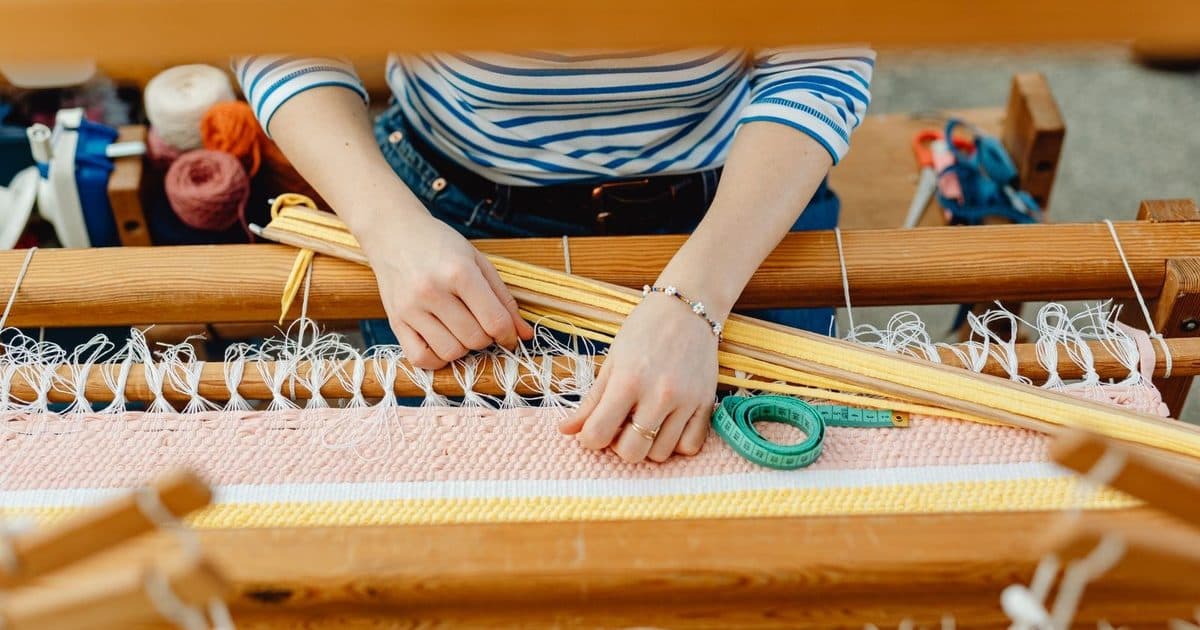
The first thing you notice is the sound, because it is not the one you expect: not the roar of a factory floor but the dry knock of the beater packing the weft, almost hypnotic. Then the objects. Floor looms in pale wood, polished by hands. Skeins of dyed yarn on the walls, sorted by colour. Cones of yarn on the tables, shuttles, scissors, notebooks with drafts pencilled in. In a working studio there is always something half done: a warp on a loom, a scarf three-quarters finished, a colour test drying.
On Handsome the person teaching is either a Maker running their own business or an Apprentice who practises the craft without a registered business yet. Either way, someone who uses that loom every day. Almost always they will have it warped and waiting, and that detail matters. Dressing a loom, meaning threading hundreds of warp ends one by one through heddles and reed and tensioning them evenly, is the long, invisible labour of weaving. Whoever did it for you gave you the time to learn the movement instead of counting threads.
One hour at the loom: what you actually learn
A beginner weaving workshop is built around a handful of movements, repeated until they become natural. First you learn that there are two families of thread: the warp, stretched on the loom and fixed, and the weft, which passes through it and builds the cloth. The rest is coordination. Your foot presses a treadle, the heddles lift half the warp and a gap opens, called the shed; one hand throws the shuttle through it; the other pulls the beater to pack the new thread in; you change treadle and start again. At first every step needs a thought; then your hands go on their own and you notice you are talking about something else.
- Opening the shed with the treadles and feeling, from the resistance, whether the warp is tensioned properly.
- Throwing and catching the shuttle without pulling the thread tight, which is the mistake that draws the edges in.
- Beating with the same force every time, because that is what decides whether the cloth comes out dense or loose.
- Changing weft colour and watching how the weave structure turns two threads into a stripe, a check or a herringbone.
- Cutting the piece off the loom and knotting the fringe: in a studio that cut always gets a small moment of ceremony.
What you take home depends on the format: a short session gives you a sample or a narrow band that becomes a bookmark, half a day a slim scarf; a proper scarf takes several sessions. What moves the price is mostly the yarn, because carded wool and cashmere do not cost the same, then a loom to yourself or shared, session length, how many people the teacher follows and whether the warp was dressed for your group. Those are the lines to read in any listing, as explained in our guide on how to choose the right craft workshop.
Why you will buy your next jumper differently
The real gift of an hour at the loom arrives the next time you walk into a clothes shop. You know, physically, what a dense cloth means, because you decided how hard to beat. You know a straight selvedge is constant attention, not a machine. Labels start talking: worsted and woollen stop being words and become two ways of preparing the fibre, one smooth and one full of air, told apart by touch. From then on, when you handle a coat, your fingers look for the weave and feel whether the cloth is alive or flat. It is a skill you pick up in an afternoon and no article can replace. The broader logic of these experiences is in what a craft workshop is and why try one.
Planning a day in Biella
Biella is reachable by train from Turin and Milan, with the station close to the centre, so a day trip makes sense. The city has a lower town, where the mills and studios are, and an upper town, the Piazzo, linked by a funicular worth the fare for the view over roofs and mountains. With a full day you go up to the sanctuary of Oropa and come back for an afternoon workshop; with only an afternoon you pick the studio and keep a coffee at the Piazzo for later, sample in your pocket.
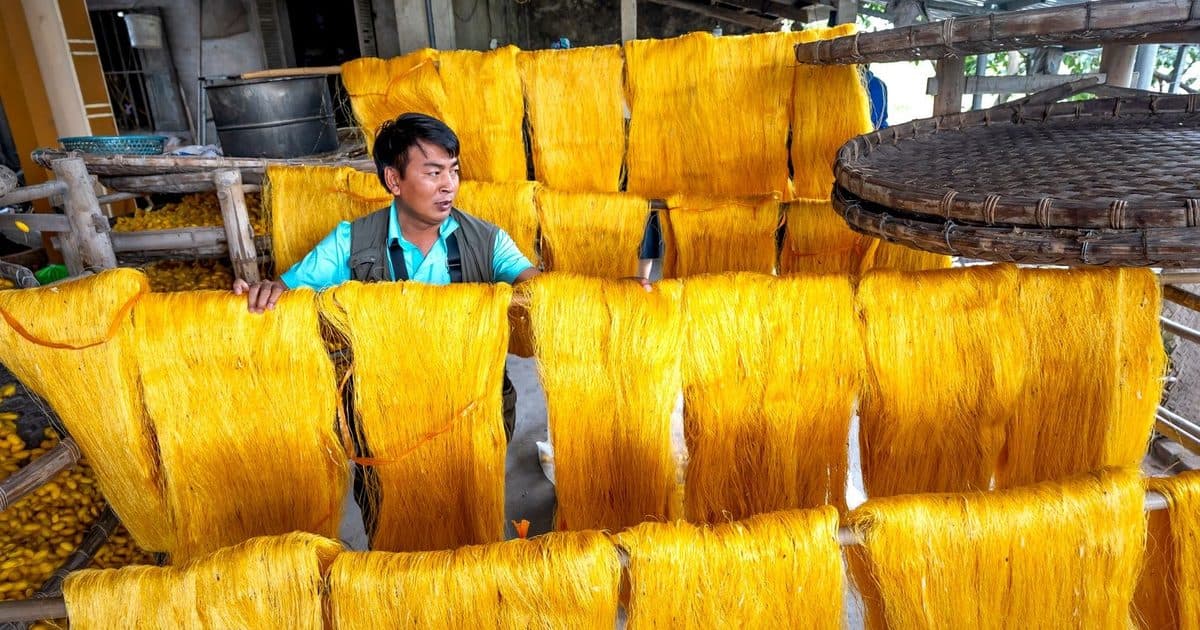
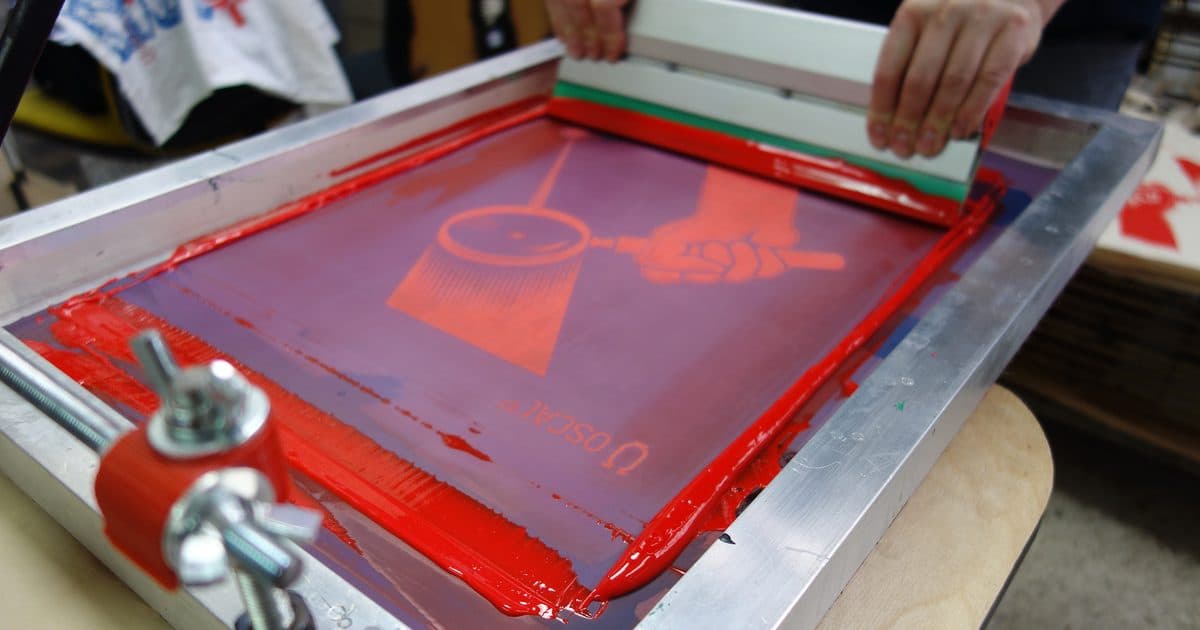
If Piedmont is not on your route, other Italian textile districts satisfy the same curiosity with a different fibre: silk around Como, for instance, with its silk dyeing and printing workshops. And if the one who most needs this is whoever in your family buys jumpers without reading the label, a Handsome gift card covers the whole workshop and leaves the choice of date to them. On Handsome every listing says where it takes place, how long it lasts, what is included and what you take home, before you pay.
Good cloth is recognised with the hands, and hands only learn by doing. An hour at the loom is worth more than any label.
Frequently asked questions
- Where can I try weaving or working with wool in Piedmont?
- Biella and its surroundings are the natural choice: wool is still a living trade there and hand-weaving studios welcome beginners for a short session or half a day; weaving studios also exist in Turin and elsewhere in the region. On Handsome you book and pay online, with location, duration and inclusions on the listing.
- Do I need any experience for a loom weaving workshop?
- No. Beginner formats start from an already warped loom and a few repeated movements: opening the shed with the treadles, passing the shuttle, beating with the reed. The teacher stays beside you and corrects the tension before the piece draws in; you do not need to know how to sew.
- What do I take home from an hour or half a day at the loom?
- From a short session, a sample or a narrow band woven by you; from half a day, a slim scarf. A stole takes several sessions, because weaving is slow by nature. The piece is finished in the studio and leaves with you the same day.
- Is it better to tour a wool mill or do a loom workshop?
- They are different things: a mill tour shows the industrial scale of the district, but you touch nothing. A loom workshop is slow, manual and ends with an object you made. Doing both in the same day is the best way to understand Biella.
- What happens if I have to cancel my booking?
- The conditions are shown before payment: within a set window cancelling gives you a refund, after which the place stays committed because the yarn and warp are already prepared for you. The rules that apply to all bookings are on the cancellations page.
Loom, wool and dye: every listing says where, how long and what you take home. Book and pay online.
Find a textile workshop on Handsome