Yes. A goldsmith who works on subcontract in Arezzo can start selling something under their own name, and doesn't have to walk away from the contract work to do it. The first product that can carry their signature isn't a jewellery line: it's an afternoon at their bench, open to someone who has never held a piercing saw. It's called a workshop, it sells as a date and a seat, and it competes with none of the clients they currently work for.
Anyone in the trade around Arezzo knows the shape of it: goldsmithing here is a supply chain. Metal gets cast, assembled and finished, and the piece leaves the building under somebody else's brand. It's a system that keeps people in work, but it produces a paradox: excellent hands and an invisible name. Meanwhile visitors who arrive looking for the gold find shop windows and no bench to sit at, as the guide for anyone wanting to try a goldsmith's bench in Arezzo explains. A workshop works on exactly that gap.
Why a workshop is the first product with your name on it
Launching your own jewellery is a long road: a coherent line, a stock of finished pieces, photographs, a channel, a price that survives comparison with brands that have shop windows and budgets. And a delicate balance: design a ring that resembles one you make for a client and you have a problem before you've sold a single piece. A workshop has none of those obstacles. You're not competing with anyone's catalogue, because you're not selling an object: you're selling time at the bench and your attention. And there is no stock: the participant makes the piece and takes it home.
Then there's a reason that's less about accounting. Whoever spends an afternoon at your bench leaves with a ring they filed themselves and your name in their head, not a label's. They'll come back for a second piece, tell a friend where they've been. That's the first brick of a reputation you couldn't build until now. It's the logic of turning your workshop into a recognisable brand.
What a beginner can make at your bench
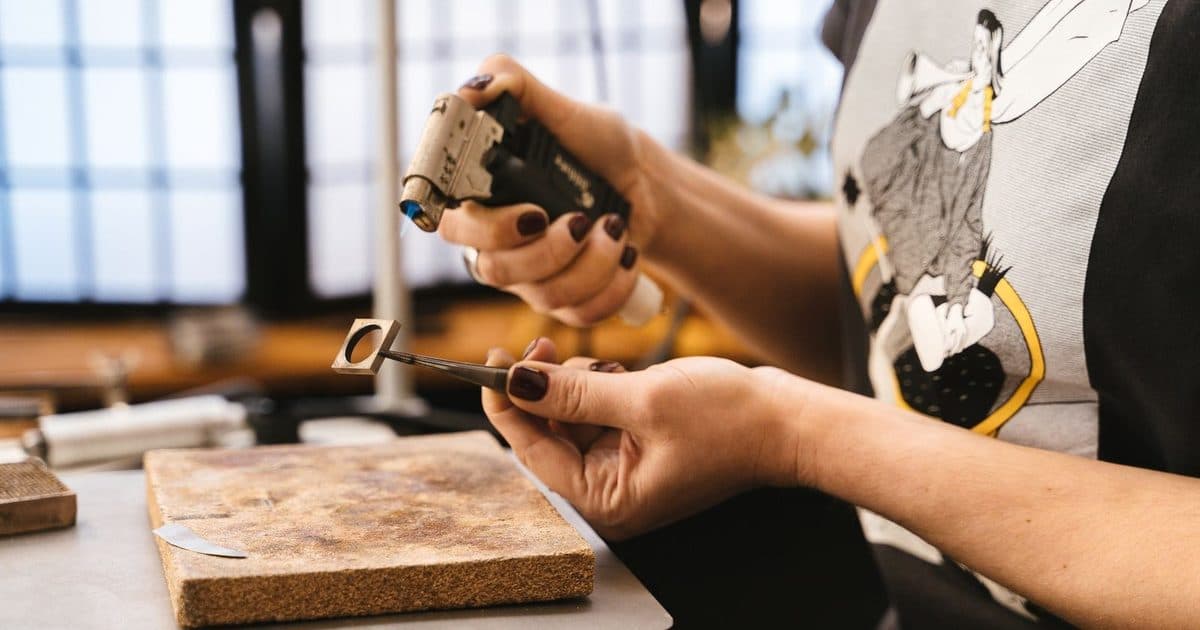
The classic mistake of people with a very high level of technique is to design a workshop that's too ambitious. The person walking in can't hold a saw frame and is afraid of the torch. The experience works when one single object, simple and finished, leaves the studio with the person. The guide on what beginners can make in a few hours breaks down the steps and the dead time to plan for; here are the ideas that hold up best.
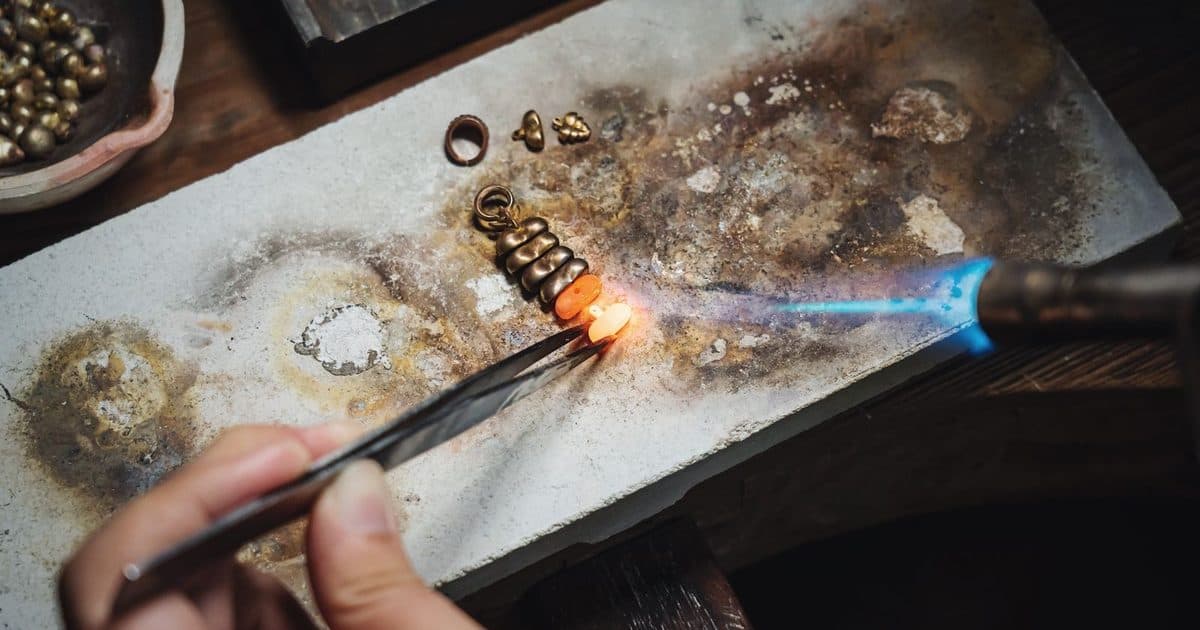
- A plain band ring in silver or brass: cutting the wire, forming on the mandrel, soldering, filing and polishing. The classic, and a natural fit for couples who want to make each other's rings.
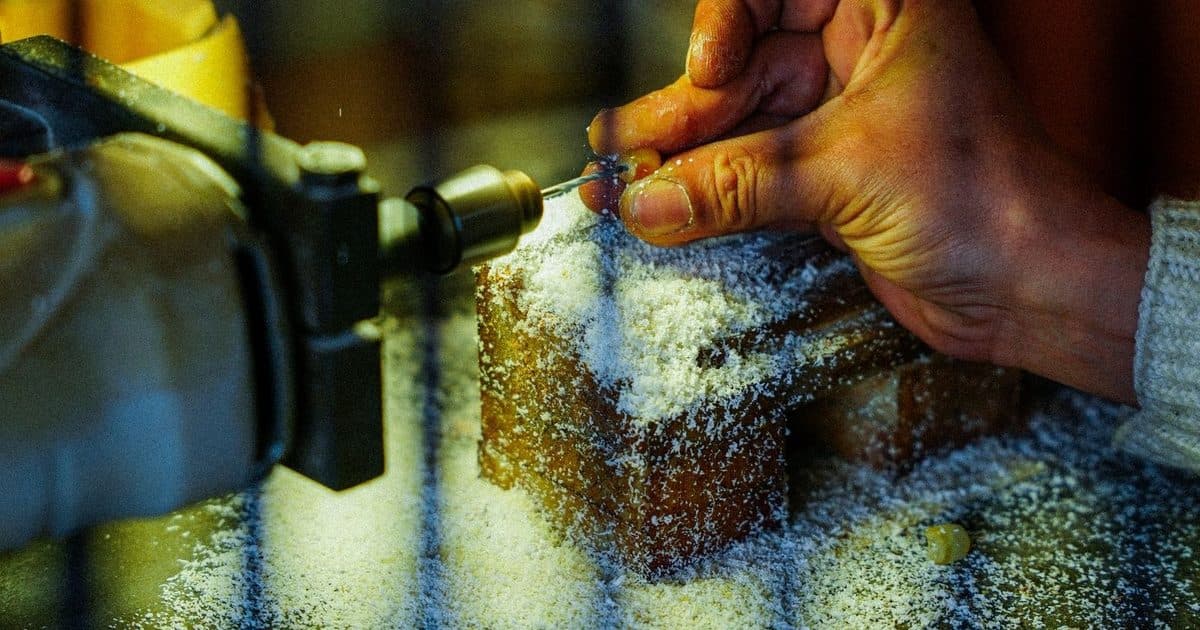
- A pierced pendant: a shape drawn on paper, glued to the sheet and cut out with the saw. It teaches the patience of the blade and goes round the neck the same day.
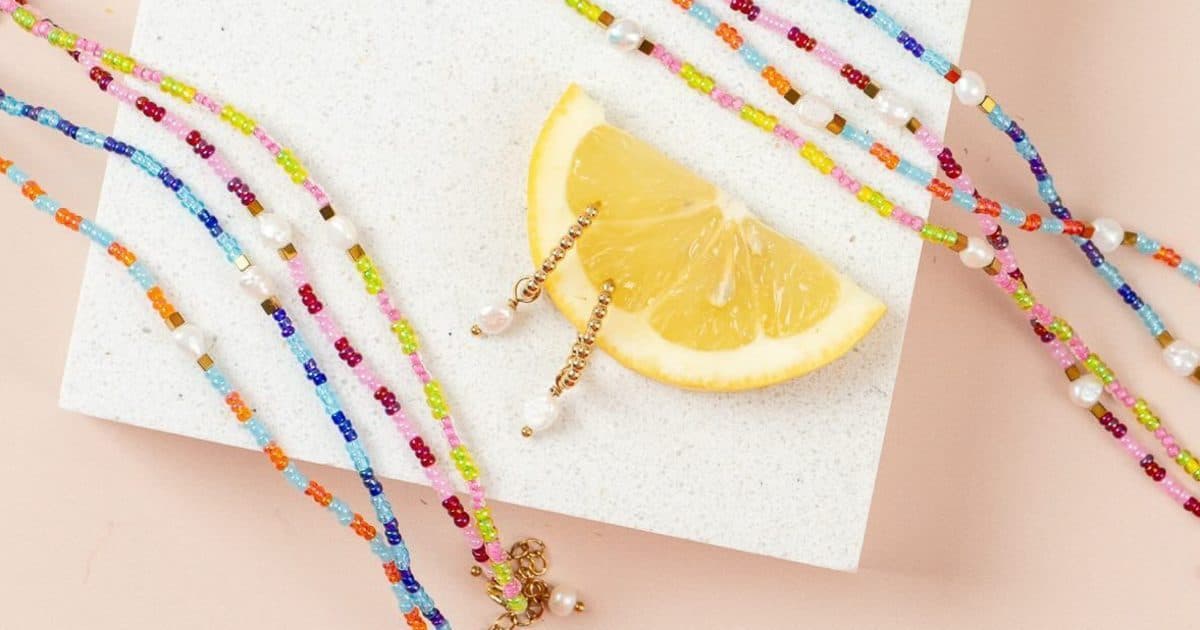
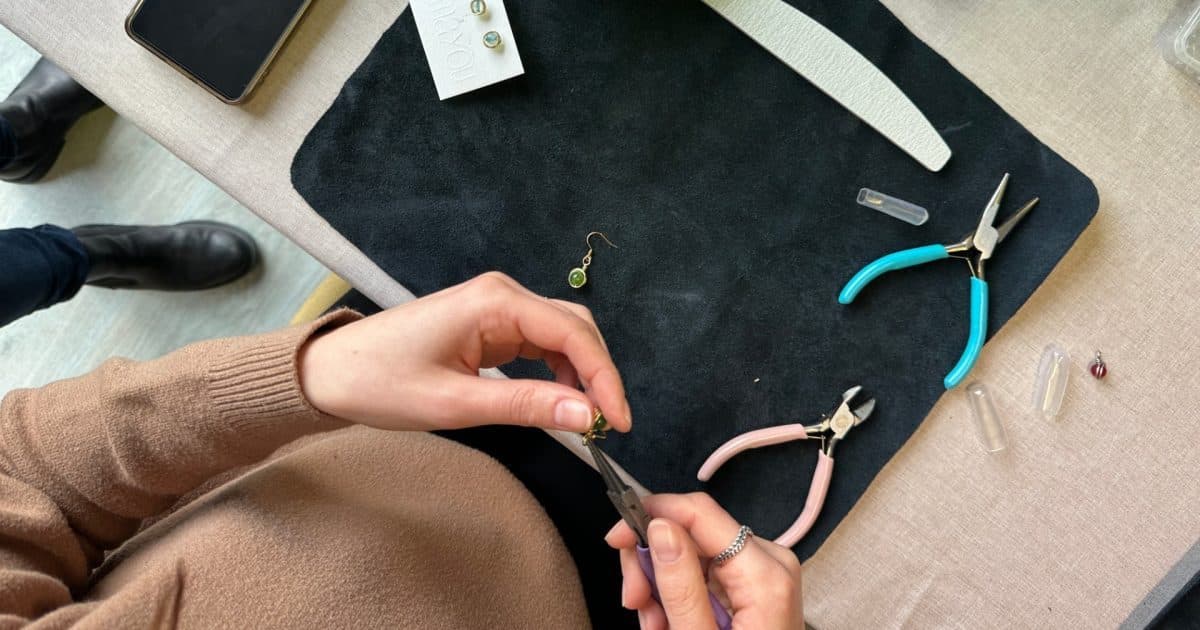
- A pair of wire earrings: bending, hammering for texture, fitting the hooks. Right for shorter slots or an evening format.
- A ring with a simple bezel setting: only for someone who has already done a first session, as a second step for those who come back.
Without leaving the contract work: where the time is
Subcontracting has a rhythm you know better than anyone: compressed weeks before deliveries and fairs, then stretches of calm. Workshops go in the second kind, not the first: a Saturday morning, a weekday evening, the days after a big delivery. One date a month, published well ahead, is enough to find out whether the demand is there and to get your hand in as a teacher, which is a different trade from executing. If the date fills, you add the next one; if not, you've learned something about the title, the photo or the day.
Space is the most concrete question. If you work inside premises that belong to someone else, you can't bring in strangers without an agreement with the owner. There are alternatives: a bench of your own in a room at home, a shared studio with other Makers, a space in town rented for the day. What matters to the participant is that the bench is real, not that it's big. It's worth telling your clients plainly, before they find out from a post: you teach beginners to make a band ring, you don't produce on your own account what you produce for them. Most of the time the answer is a shrug; now and then it's a request for a day out for their staff.
The name: from supplier code to signature
To a client, a supplier's name is a code on a delivery note. To someone selling an experience, the name is the first thing anyone reads. Build the profile the way you'd build a piece: the photo is a person, not an empty bench; the bio says how long you've worked metal, without naming names you can't name; the workshop title says what people take home. Once the name starts to circulate, it makes sense to protect it: the Italian Patent and Trademark Office explains how a trademark is filed, and getting there with a reputation already built makes more sense than starting from the paperwork. The format that makes you recognisable is worked through in how to create your signature workshop.
On the practical side, anyone who already holds an Italian VAT number as an artisan signs up on Handsome as a Maker; anyone employed in a jewellery factory without one signs up as an Apprendista and still sells dates, after checking that their contract doesn't rule it out. Either way, booking and payment happen online, and the terms are in the FAQ. The diplomas you don't need are covered in can I teach my craft without a qualification: in goldsmithing, what counts is being able to make the piece and being able to get someone else to make it.
For years your work has left the building under someone else's name. The first piece that carries yours gets made with a stranger, in an afternoon.
Frequently asked questions
- Can a goldsmith working on subcontract in Arezzo sell something under their own name?
- Yes, and the shortest route is a workshop: a bench session for beginners, sold under your own name and photo, with no trademark, no stock and no break from the contract work. No client can lay claim to it, because it isn't an object: it's the teacher's time.
- Do I need a trademark or a new VAT number to run workshops?
- Not the trademark: that gets filed later, once the name already carries a reputation. As for the VAT number, anyone who already holds one as an artisan signs up as a Maker; anyone who doesn't signs up as an Apprendista. For the tax treatment of your own situation, it's always worth talking to an accountant.
- Could my clients object?
- A beginners' workshop doesn't produce objects that compete with their production and doesn't use their designs. What you do have to guarantee is confidentiality: pieces in progress covered, no photo that shows them, no client names in the description. Saying it beforehand avoids any misunderstanding.
- Do I need gold for a goldsmithing workshop?
- No. Silver and brass are cut, soldered and polished with the same techniques, and a beginner won't notice the difference. Gold raises the cost of materials and the weight of every mistake. It only makes sense on request, say for a couple who want real wedding bands, and it's quoted separately.
- Who comes to a goldsmithing workshop in Arezzo?
- Visitors looking for the city's gold who find only shop windows, couples who want to make their own wedding bands, people giving an experience instead of an object through the gift card, and local companies commissioning a day for their team through Handsome for companies, with Handsome as the single point of contact.
Online bookings and payments, no commission on workshops, your name on the profile from day one
Publish your first date on Handsome