
When it rains in Turin, plan B is almost always the same: a museum. It works, but it has a limit: in a museum you look. If you have already been through the collections, or if there are three of you and one did that museum last month, a rainy afternoon turns into an afternoon spent deciding. There is an indoor alternative that Turin has plenty of and that almost nobody puts on the list: spending half a day inside a workshop, with a Maker who has you make something with your hands.
A craft workshop is not a lecture. You do not sit and listen: you arrive, they explain the bare minimum, then you work, with someone next to you correcting you while you get it wrong. A session can last a few hours or the whole day, it happens indoors, and the only effect of the rain is that you walk in with wet shoes.
The arcades change how you plan the afternoon
Turin has kilometres of arcades, and it is one of the few cities where in the rain you can cross half the centre without opening an umbrella. That has a concrete consequence for how you fit things together: you can afford a slow lunch, a coffee and then the workshop in the early afternoon, because getting there is not a risk. The problem starts off the arcaded axis: in San Salvario, Vanchiglia, Aurora, Barriera di Milano, Borgo Vecchio Campidoglio, and generally as soon as you leave the centre, the arcades end. When you read the address, look at the nearest tram or bus stop too and count the uncovered minutes: five minutes in a windy downpour is not the same as five minutes of light rain. And if the piece you made is fragile or still damp, the way back matters more than the way there.
A few hours, half a day or a full day
The right question is not "what would I like to try", it is "how much time do I have before I need to be somewhere else". The length of a workshop is not a preference of whoever teaches it: it decides what kind of object you can make. A technique with drying, resting or firing times cannot be compressed. Whoever runs it knows that and builds the programme around those dead times, filling them with something else. That is why two courses on the same material can last one an afternoon and the other a full day, and it is not that one is the short version of the other: they are two different things.
- A few hours: one technique, a small piece, few decisions to make. Fine if the rain has wrecked your afternoon and you need to plug a gap. Expect to make one thing, not to understand a craft.
- Half a day: this is the length that holds up best on a rainy Sunday. There is time to get the first piece wrong and do it again, which is the moment you actually learn something. Ask whether a break is included.
- Full day: it makes sense when the technique needs several steps in sequence, preparation, work and finishing, or when you want to walk out with something you would really use. Plan it in advance: it is a commitment, not a fallback.
What you take home and what stays there
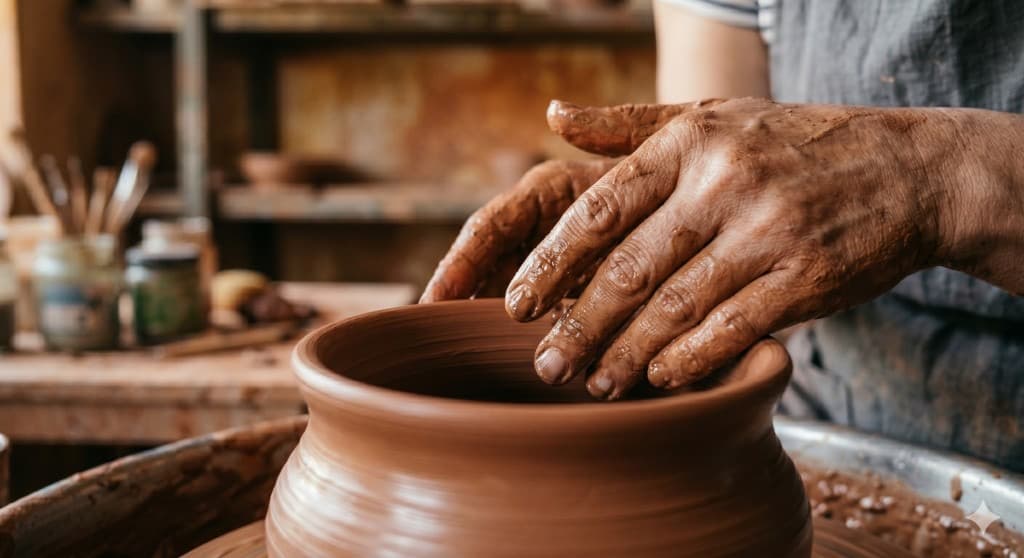
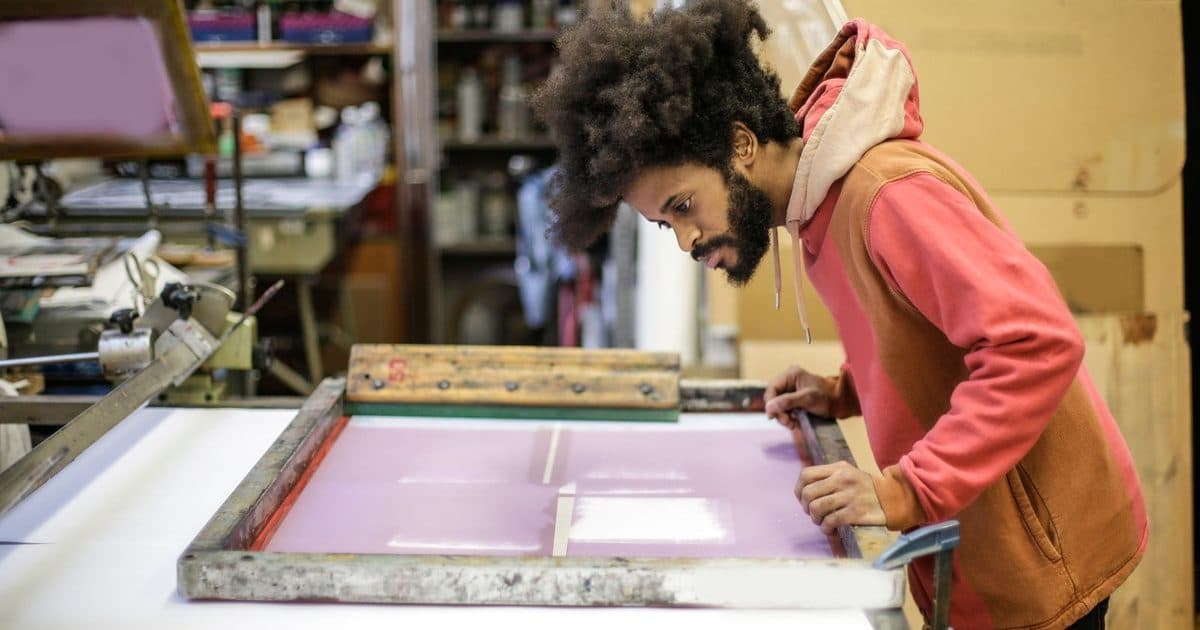
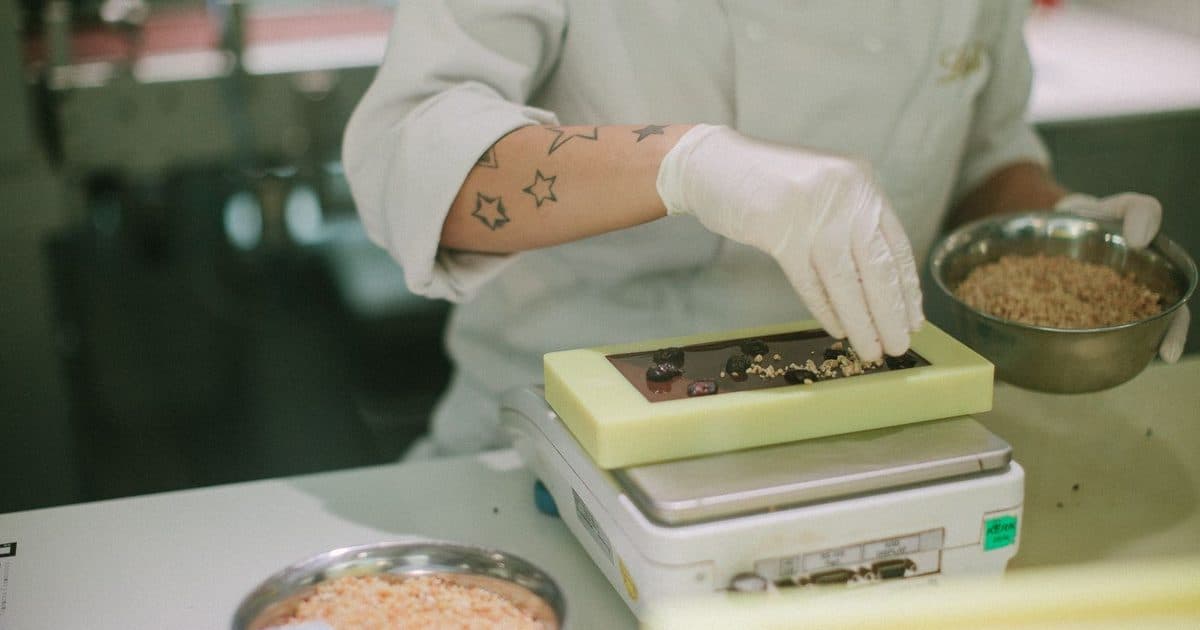
This is the part almost nobody asks about, and the one that creates the misunderstanding. In some processes the object is finished when you leave: a print on paper, a stitched piece of leather, a box of hand-tempered chocolates. In others it is not. Ceramics have to dry, be fired, often glazed and fired again: it can take much longer than a day. A print on fabric has to be set. Certain finishes on wood and metal cannot be done while the piece is still warm. It is not a flaw in the course, it is how the material works. The problem is logistical, and it becomes serious if you are in Turin only for the weekend: ask beforehand whether the piece is collected at the workshop, after how long, and whether it can be shipped and on what terms. If the answer is "collection on site" and you leave on Sunday evening, that is something useful to know before you pay, not after.
The question that changes the afternoon is not "what do I make", it is "what do I take away today and what do I come back for".
If you are a mixed group of friends
The mixed group is the hard case: one is good with their hands, one has never made anything, one says they are no good at it and is actually just afraid of looking bad. The activities that hold up best are the ones where a mistake does not ruin the piece but changes it, techniques where imprecision becomes character rather than a defect. What holds up badly are processes with a single critical step, the one where getting it wrong means the afternoon is thrown away: not because they are bad, but because in a group somebody will get it wrong, and the afternoon becomes their bad afternoon.
The other variable is how much talking there is. In some workshops people chat while they work right from the start, others need quiet, typically the ones with a precision stage or a temperature to hold. If the point of the day is being together, the first kind wins. If there are a lot of you, also ask whether the workshop will take you as a closed group on a date of your own: private events on an agreed date exist, so ask the Maker whether they run them. When there are many of you that is often simpler than finding free places for everyone on the same public date.
If you go alone
Going to a workshop alone is easier than it sounds, for a mundane reason: your hands are busy. There is none of the social emptiness of an aperitivo where you know nobody, because there is a task in front of you and someone explaining what to do. Small groups work better: the smaller the group, the more whoever teaches can watch you work; in a large group the explanation stays more of a lecture from the front. How big the group is, is the thing to ask. If it is your first time, the most useful thing is to say so when you book, not to justify yourself but because that is what the organiser uses to decide how to arrange the places and who to pair you with. If you are asking yourself the usual questions, whether you need experience, what to bring, whether you get dirty, they are collected in the most common doubts before a first workshop.
The questions to ask before you pay
- How long it actually lasts, break included: "half a day" does not mean the same thing everywhere.
- What leaves with you the same day and what has to be collected later, and how long that takes.
- What is included: materials, apron, any tasting. If two similar courses have different prices, the difference is usually here and in the group size, not in how good the teacher is.
- How you pay: on Handsome you book online by paying a deposit and pay the balance at the workshop on the day, so ask the Maker how payment works on site.
- What happens if at the last minute you cannot come: it is the question nobody asks beforehand and the one that weighs most later.
- How exposed you are on the way there: nearest stop, entrance, any stairs. In the rain, with a fragile piece in your hands, that becomes a serious question.
Frequently asked questions
- What is there to do in Turin when it rains, apart from museums?
- Anything indoors that lasts long enough to actually fill the afternoon. Craft workshops are the least obvious category: they are covered spaces, the programme does not depend on the weather, and the time goes by with your hands busy on something you are making yourself. Unlike a museum, it is something you can repeat without doing the same thing twice, because you change technique or you change Maker.
- Can you give a workshop as a present instead of booking it for yourself?
- Yes, and in the rain it works well as a present: whoever gets it picks the date when it suits them. On Handsome there is the [gift card](/gift-card), which covers the whole workshop and is valid for 12 months, so you are not forcing anyone to decide straight away.
- Do you need experience to take part?
- Usually not, but it is not something to guess at: if it is not written who the course is for, ask before you book. It is a normal question and it saves you the wrong afternoon, because a course meant for people who already know their way around and one meant for people who have never touched the material are two different afternoons.
- Can you book at the last minute if the weather changes?
- It depends on the places left and on how much the Maker has to prepare beforehand. If you are keeping an afternoon in reserve for the rain, look at the available dates a few days ahead rather than on the morning itself: at the last minute you get what is left, not what you wanted.
Cancellation conditions are written on each workshop page.
See the workshops in Turin