What Romagna sfoglia is (and why it isn't piadina)
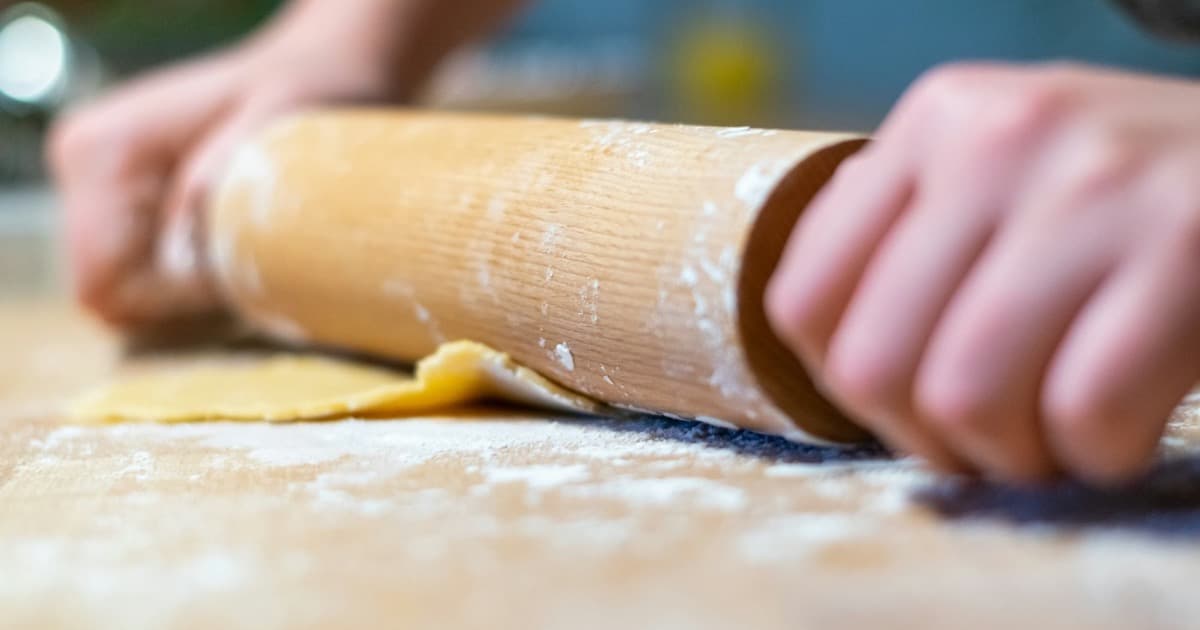
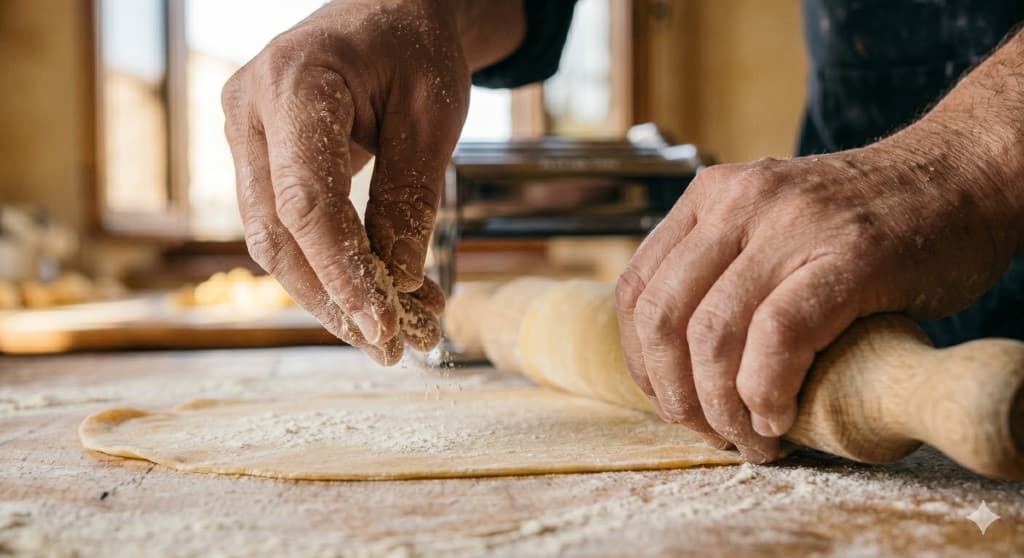
Romagna sfoglia is fresh egg pasta rolled out with a rolling pin on a large wooden board: just flour and eggs, worked and stretched into a thin, even sheet. This is where cappelletti, tagliatelle and passatelli come from. In a workshop with a sfoglina you learn exactly this gesture, the one Romagna's azdore have passed down for generations.
The difference from piadina is clear and worth settling straight away: piadina is a flat bread of flour, water, a fat and salt, cooked on a testo, with no eggs. Sfoglia, instead, is an egg dough that turns into filled or cut pasta. Two symbols of the same land, but two different crafts: here your hands go into egg and flour, not into piadina dough.
What you learn: cappelletti, tagliatelle and passatelli
A good sfoglia workshop isn't a demonstration you watch: you knead, roll and shape with your own hands, guided step by step. Here's what you take home, beyond the pasta:
- Rolling the sfoglia with a mattarello: measuring flour and eggs, kneading, stretching to the right thickness and knowing when the sheet is ready.
- Cappelletti: cutting the squares, dosing the filling and folding them one by one into the classic Romagna shape, the one that ends up in broth on Sundays.
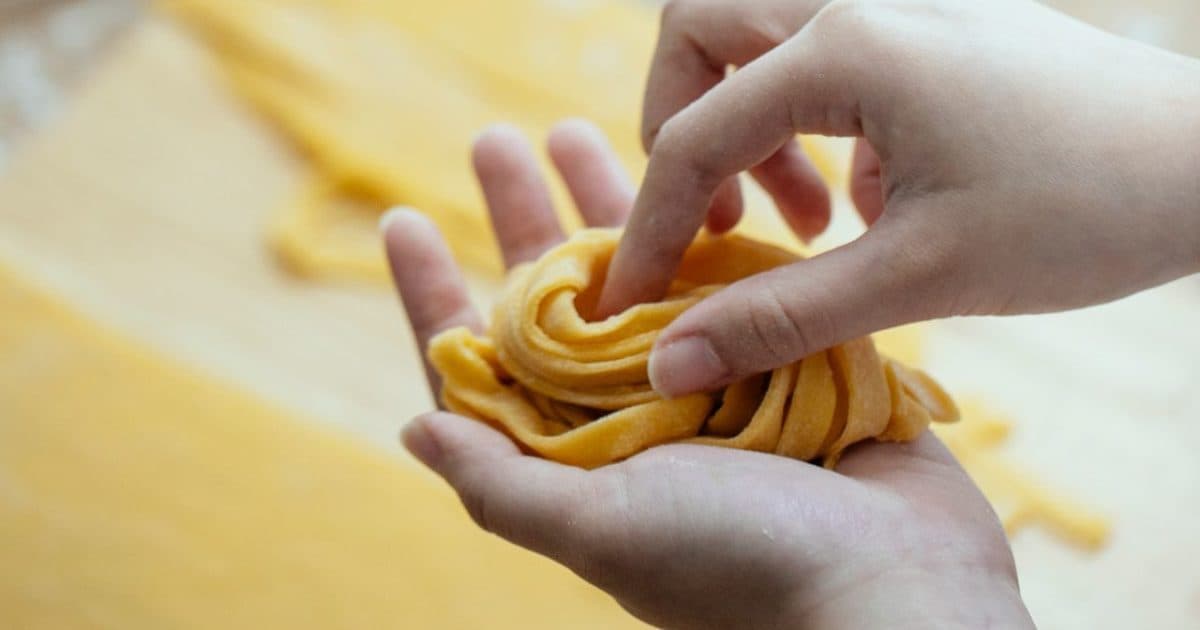
- Tagliatelle: rolling up the sfoglia and cutting it to the right width, then opening it into light nests.
- Passatelli: the mix of breadcrumbs, Parmigiano, eggs, nutmeg and lemon zest that is pressed through the iron and dropped into broth.
Every sfoglina has her own measures and secrets, and the best part comes at the end: you almost always share what you've made. To see which experiences are running, you can discover the workshops available in Romagna.
Where it takes place: in the sfoglina's workshop
The workshop is held in the artisan's own studio, or in the kitchen the sfoglina chooses: never in a third-party venue. The exact place and time are always shown on the workshop page, so you know in advance where to go and how long it lasts, usually a couple of hours around the board.
The Romagna of the sfoglia is everywhere, inland and along the coast: from the villages around Forlimpopoli, home of Pellegrino Artusi, to Rimini, Cesena, Ravenna and Faenza. You sit at the table of someone who has rolled sfoglia for a lifetime, with flour, eggs and a long rolling pin in front of you. It's an indoor experience, so it works even when the sea isn't an option and you're looking for something to do on a rainy day.
Who it's for and what to expect
The good news is you don't need to know how to cook. You start from scratch: the sfoglina corrects your gesture, shows the right pressure on the rolling pin and lets you get it wrong until it works. It's an experience designed for beginners, couples, families and groups of friends looking for a convivial afternoon, different from the usual.
What to expect in practice:
- An apron, hands in flour and eggs, and a slow, relaxed pace.
- A small group, so you get room at the board and real attention.
- The final table, where you taste freshly made cappelletti, tagliatelle or passatelli.
- The know-how to repeat at home: quantities, timings and tricks that stay with you.
It's a travel memory you don't buy in a souvenir shop: you create it with your own hands. For more ideas on creative Romagna, take a look at the other guides on the blog.
How to book on Handsome
On Handsome you book your sfoglia workshop in minutes, straight from the experience page. The model is simple and transparent:
- 0% commission on the artisan's earnings: the sfoglina keeps the full value of her work, while big platforms often withhold around 20%.
- The platform adds no line at all to the deposit: the round figure you see is everything.
- You pay a deposit online securely and the balance on site, directly to the sfoglina on the day of the workshop.
- Payment goes directly to the artisan via Stripe: no middleman between you and the person teaching you.
Pick a date, check the place and time on the page, secure your seat and show up ready to knead. The sfoglina takes care of the rest.
Frequently asked questions
- What's the difference between Romagna sfoglia and piadina?
- Romagna sfoglia is fresh egg pasta, made only of flour and eggs and rolled out with a mattarello into a thin sheet: cappelletti, tagliatelle and passatelli all come from it. Piadina, instead, is a flat bread with no eggs, cooked on a testo. In a sfoglia workshop you work the egg dough, not the piadina one.
- Where can you learn to roll sfoglia in Romagna?
- All across Romagna, inland and on the coast: from the villages around Forlimpopoli, home of Pellegrino Artusi, to Rimini, Cesena, Ravenna and Faenza. On Handsome you'll find the sfogline's studios with the place and time shown on each page, so you can choose the one nearest your stay and book in minutes.
- Do you need cooking experience to take part?
- No, you need no experience at all. Sfoglia workshops start from scratch: the sfoglina guides you step by step, showing how to measure flour and eggs and how to stretch the dough with a rolling pin. Even if you've never kneaded before, you go home having made cappelletti, tagliatelle or passatelli with your own hands.
- What can you do in Romagna when it rains?
- A sfoglia workshop is a perfect plan for rainy days: it's held indoors, in the sfoglina's studio, and lasts a couple of hours around the board. Instead of waiting for it to stop, you learn to roll the sfoglia and fold the cappelletti, then sit down at the table to taste what you've made.
- How much does it cost and how do you pay?
- Each sfoglina sets the price, shown on the workshop page. You book by paying a deposit online and settle the rest on site, on the day of the experience. Handsome takes no commission on the artisan's earnings and applies no platform line on the deposit.
Choose a date, secure your seat with an online deposit and learn to roll the sfoglia with a sfoglina.
Discover sfoglia workshops in Romagna