The brief almost always reads the same way: a gift that says Tuscany without resorting to a postcard. A small piece of jewellery, something in leather, a warm textile. Whoever writes it has three places in mind: gold from Arezzo, leather from Florence, wool from Prato. The trouble starts when that brief turns into three suppliers, three quotes written on three different logics, and three deliveries that have to land on the same day, inside the same box. This piece is about the cost no quote shows, the coordinator's time, and what changes with a single counterpart. The general mechanics of a corporate order are covered in how a corporate gift order works; here the subject is Tuscany's craft districts, which stop speaking the same language once a logo and a deadline are involved.
Three districts, three ways of writing a quote
Tuscany's productive fabric is built on what economists call the industrial district: an area where one trade is so concentrated that it develops its own suppliers, jargon and rhythms. The goldsmiths of Arezzo, the mills of Prato and the leather workshops of Florence are three such worlds. None is slow out of bad will: they are trades with different physical constraints, and constraints do not negotiate.
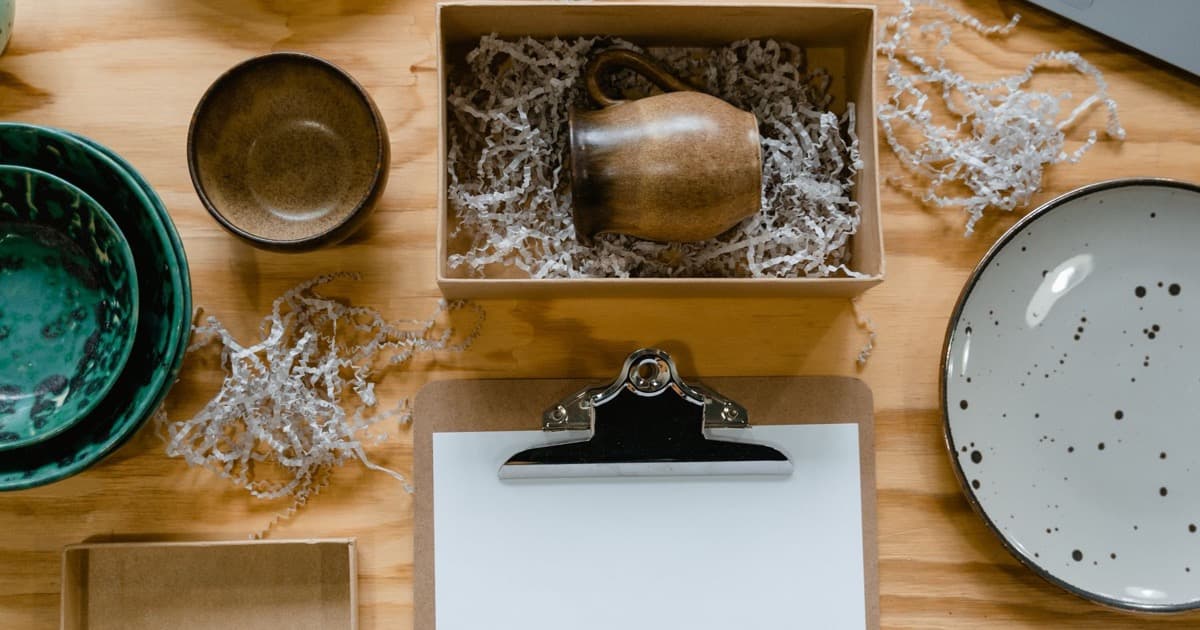
- Gold and silver, Arezzo. The quote depends on the metal, and the metal has a market price that moves: an offer valid today has to be reconfirmed on the day you order. Everything is reasoned in weight, alloy and finish; an engraving is a separate operation with its own lead time.
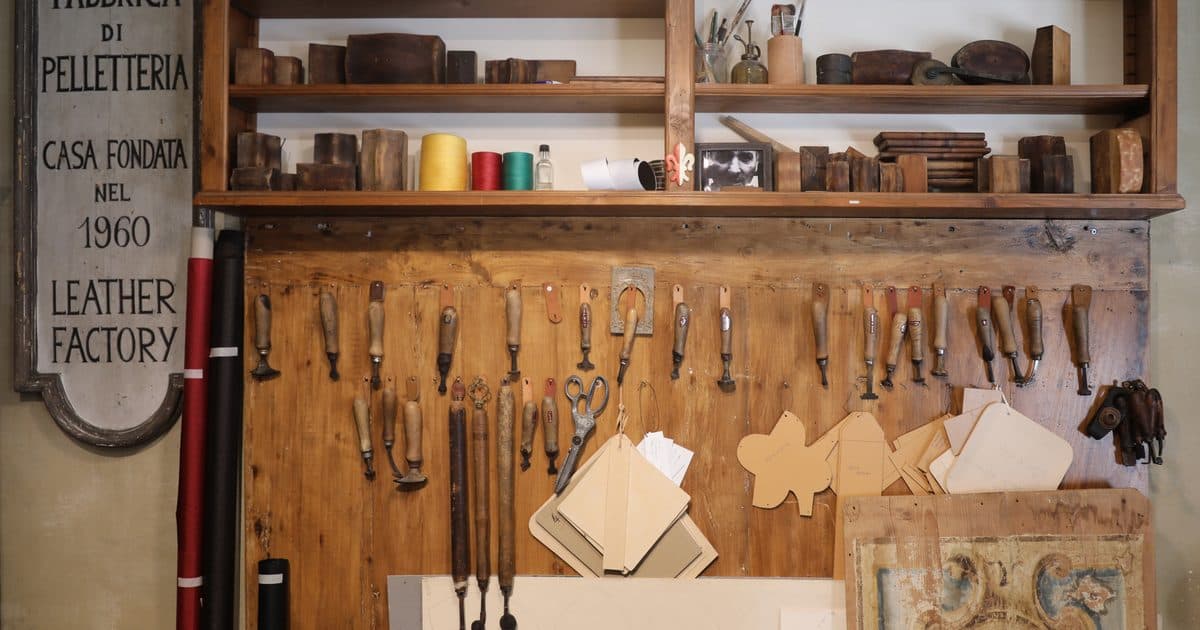
- Leather, Florence. What matters is the hide, the tanning, the colour and the closure. The usual personalisation is a hot-stamped logo or initials, which needs a die made in advance. The same colour on every piece has to be agreed: leather is a natural material, not a colour chart.
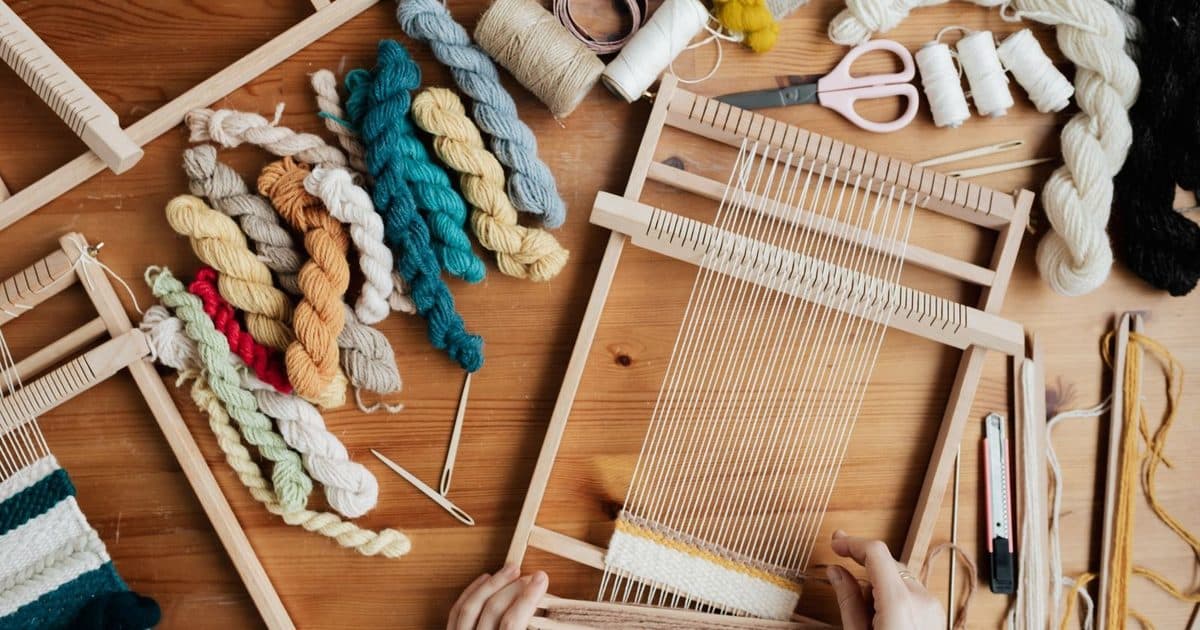
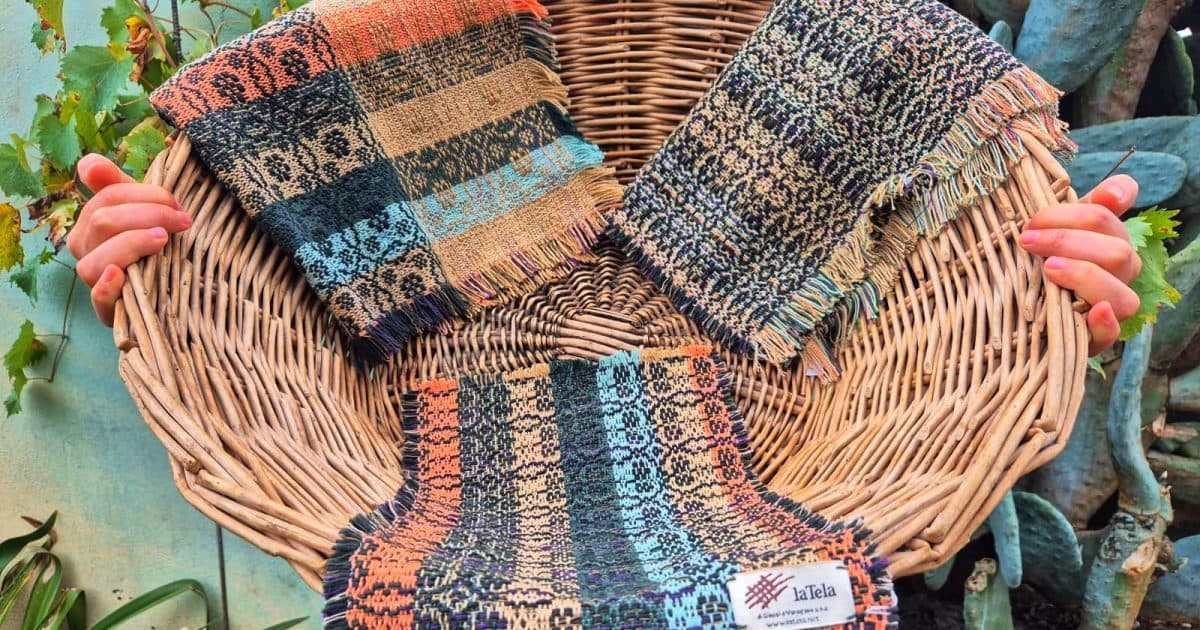
- Textiles, Prato. Scarves, throws, blankets: the quote starts from the yarn, wool, cashmere or blends, and from the fact that production starts from a bolt of cloth, so minimum quantities and timings tied to weaving and finishing. A sewn-in label with the company name is an extra step, not a detail.
The cost that never appears on a quote
With three suppliers, coordination lands on the purchasing office, or on whoever volunteered to look after the gift. In practice: three people to deal with, each with their own timing and terms; three quotes that cannot be compared, because one is priced by weight, one by piece and one by the metre; three delivery dates, each promised in good faith and none connected to the others; three kinds of packaging that do not match. Then there is the part nobody writes down: the phone calls. The leather colour to reconfirm on a swatch, the engraving to approve on a sample, the bolt of wool that arrives late because the dye house fell behind. Each step is normal in a workshop, and each one needs a decision from whoever coordinates. If a single link slips, the box slips with it: a Tuscan gift is a kit, and an incomplete kit does not get delivered.
What changes with a single counterpart
With Handsome the company does not deal with the workshops. It describes the gift on the corporate page, how many people, what recipients, when, what idea, and Handsome selects the Makers in the right districts, assembles one proposal and, once confirmed, follows production and delivery through. The company is left with one quote to approve, one order and one point of contact. Handsome's Makers have a public profile with their studio, techniques and reviews from people who actually attended: anyone curious can browse the profiles.
The three logics, by weight, by piece and by the metre, do not disappear. They are translated once into a figure per recipient, with personalisation and packaging already inside it. Delivery dates are aligned upstream, starting from the slowest workshop, so the kit is complete on the day it is needed. The figure you approve is the figure you pay, with no service lines added afterwards. And the gift can change nature without changing your point of contact: the same order can hold a leather card holder and a code for a workshop in which the recipient stitches that card holder themselves, as in the leather workshops in Florence.
Object, experience, or both
The choice comes down to one practical question: will the recipients be in the same place on the same day? If so, the end-of-year dinner, a trade-fair stand, a welcome kit for new hires, the object wins: it is handed over in person and weighs the same for everyone. If they are scattered, or they are clients whose taste you do not know, the experience is the safer bet: a code is spent on a workshop chosen by the recipient, on a date that suits them, and it moves the guessing to the one person who knows their own taste. The gift card exists for this. The Tuscan version works as a pair: the object tells the story of the district, the experience lets people touch it. Someone who receives a piece of jewellery made in Arezzo together with a morning at a goldsmith's bench understands where it comes from better than any card could. For a sense of the studios that open their doors in the city, see the craft workshops in Florence.
What moves the price, and what to put in the request
There is no price list, because a gift of this kind is built rather than picked. The variables that move the quote are few: the material (silver or gold, full-grain or split leather, wool or cashmere), the quantity, the personalisation (engraving, hot stamping, a sewn label, dedicated packaging), the time available, and whether an experience is part of the gift. None of them is hidden. The request needs only a few things, but the right ones.
- How many recipients and who they are: clients, employees, guests. It changes the tone of the gift and its tax treatment, worth checking with your accountant before ordering.
- The date the gift has to be in people's hands: that is where the countdown starts.
- The budget per person, even as a range: it is there to choose the material, not to close the negotiation.
- The kind of personalisation: logo, initials, a message, or none at all.
- Whether the recipients are in Tuscany or spread across Italy: it decides whether an experience makes sense, and where.
A single point of contact does not make the goldsmith's, the leatherworker's or the weaver's job any easier. It makes yours easier.
Frequently asked questions
- How do you order handmade corporate gifts from Tuscany without negotiating with every single workshop?
- You describe the gift on Handsome's corporate page: recipients, timing, starting idea, personalisation. Handsome selects the Makers in the districts involved, presents one proposal and, once confirmed, follows production and delivery through. The company is left with one order, one point of contact and no direct negotiation with the studios.
- Can objects and workshops go in the same order?
- Yes. Gadgets made by hand by Makers and workshop codes sit in the same order: an object for those on site at delivery, an experience for scattered clients who pick their own date and studio.
- Do the recipients have to be in Tuscany?
- For the object, no: it is delivered where it is needed. For the experience, the code is spent on workshops published on the platform, so someone living elsewhere can pick a studio close to home; every listing states where it takes place and who runs it.
- How far in advance should we order?
- The slowest workshop in the kit sets the pace: weaving, engraving and hot stamping are the longest steps, and studio calendars fill quickly before the holidays. Write as soon as the delivery date is known, so the confirmation window can be agreed in time.
Recipients, delivery date and a starting idea. We pick the Makers in the right districts: you are left with one order and one point of contact.
Describe the gift, we come back with a proposal