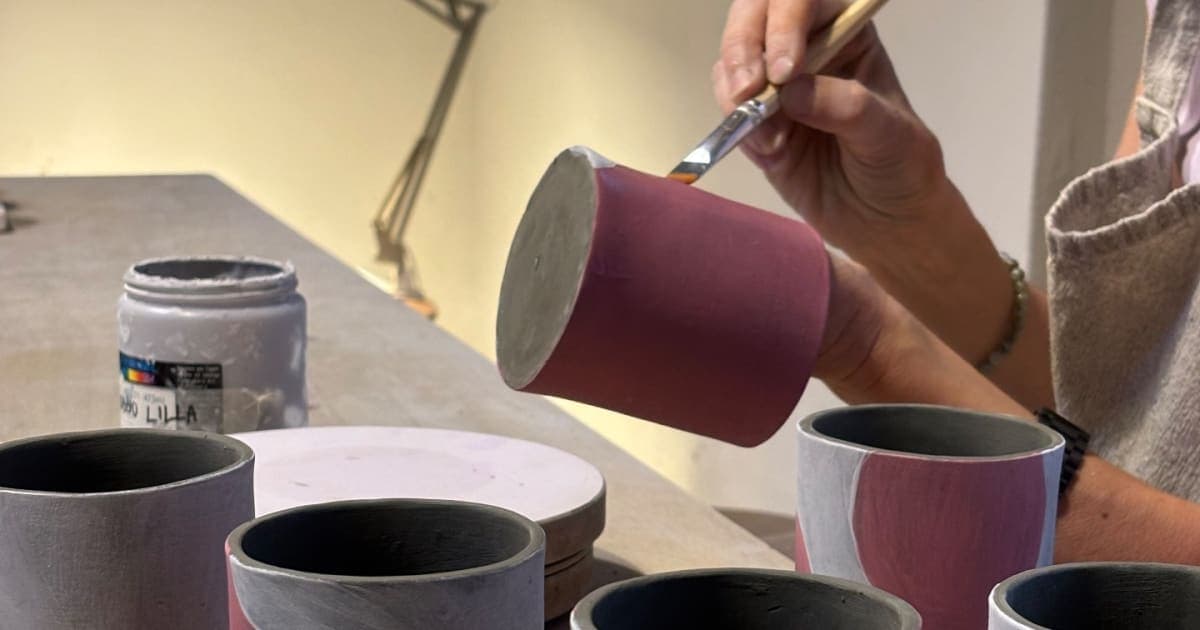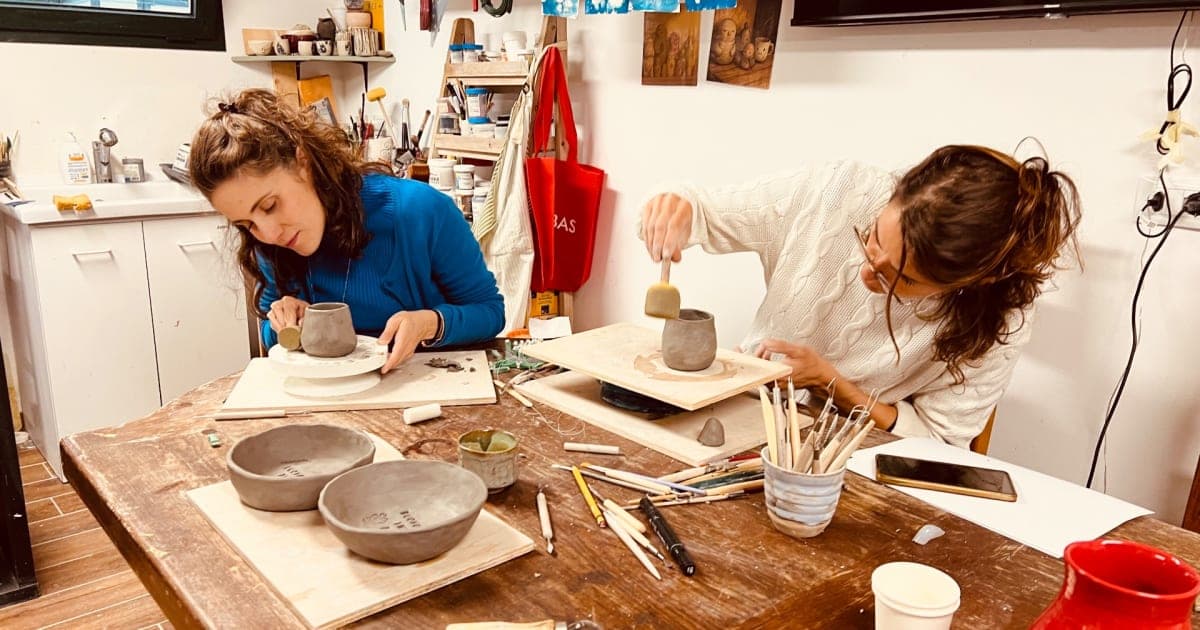
It is the sentence we hear most: “I have done this for years but it is a hobby, I do not have a VAT number.” Behind it sits the belief that without one you cannot be paid to teach. That is not true: Italian law provides for occasional work precisely for this, and there is a dedicated path for people in that situation. It is called Apprentice.
What you can do as an Apprentice
The path is built for people who want to try: a course now and then, on a Saturday, to see whether it works. It is not a stripped-down version, it is a size set by the real tax limits.
- Up to 3 dates a year in total, from 2027. Every date of your workshops counts in the year it takes place, past ones included; cancelled ones do not. You can have at most 3 published workshops, and the fourth date of the year is blocked, even with Apprentice Pro. Until 31 December 2026 the old limit stays: 5 published workshops a year.
- Up to 5,000 euro gross a year in occasional-work fees, counting all clients, not just this activity. Above the threshold, contributions to the INPS gestione separata kick in.
- Public group workshops only: private sessions and corporate work are out.
- An occasional-work receipt instead of an invoice, with withholding tax where applicable.

What changes with a VAT number
The Maker path is for those who already have a VAT number or decide to register one. The limits on dates and workshops disappear and the higher-value formats open up: private sessions — couples, birthdays, hen parties — which pay better than public groups, corporate work for team building, and gift cards to sell before Christmas.
How to tell which side you are on
- How many courses do you expect to run in a year? If the answer is “two or three, to try it out”, Apprentice. If it is one or two a month, three dates a year will not be enough.
- How much do you expect to take? Do the rough sum: price times seats times number of dates. Above 5,000 gross you need a VAT number anyway, regardless of us.
- Do you already have other occasional work? The 5,000 threshold is cumulative. If you are already using it elsewhere, you have little room left.
- Do couples, companies and gift cards interest you? That part requires a VAT number.
Can you switch later?
Yes, and it is the natural route: start as an Apprentice to find out whether workshops work in your area, then register when the numbers justify it. Switching does not reset anything: profile, photos, reviews and customers stay. The tax regime changes and the limits fall away.
It is also why there is no point waiting to “be ready”. Nobody registers a VAT number for an activity they have not tried yet: you try it first, within the limits, and you decide with the numbers in hand instead of with guesses.
What each path costs
The profile is free in both cases, and in both cases we take no commission on workshop takings. There are two optional plans for extra tools: Apprentice Pro at 49 euro a year, a one-off payment that simply lapses at expiry, and Maker Pro at 9.90 euro a month or 95 euro a year. Neither is needed to sign up or to publish your first workshop.
Frequently asked questions
- Can I really charge without a VAT number?
- Yes, through occasional work, which Italian law provides for non-habitual activity not organised as a business. You issue a receipt instead of an invoice. The practical limits are non-habituality and the 5,000 euro gross annual threshold, above which social security contributions apply.
- Is the 5,000 euro figure gross or net?
- Gross, and it covers all occasional work in the year, not just workshops. It is a personal threshold, not per client.
- Why the 3-date cap?
- Because occasional work assumes non-habitual activity. Publishing dates every month is hard to defend as occasional, and the cap stops people drifting over the line without noticing. It applies from 2027: until 2026 the limit is 5 published workshops a year.
- Do I need a certificate to teach my hobby?
- No. An experiential workshop requires no qualification: what counts is being able to do the thing and explain it. It is different if you teach regulated activities, for example in food or sport.
- Do I lose my reviews if I register a VAT number?
- No. Profile, photos, reviews and history stay. The tax regime changes and the limits on dates, workshops and formats fall away.
Apprentice without a VAT number or Maker with one: the full comparison is at the bottom of the page.
Find out which path suits you