You can show up on Google without a website. It takes one shift in thinking: Google does not look for sites, it looks for pages. If a page talks about your studio, says where you are and what you do, and somebody links to it, that page can appear in results even when it is not yours. This guide covers which pages work, what to write on them and how long they take.
How local search works, briefly
When someone types pottery class plus a town, Google combines three things: how close you are to the searcher, how clear it is what you do (category, words on the page) and how trustworthy you look (reviews, mentions of your name and address around the web). None of the three requires a website. All three require consistency: same name, same address, same number wherever you appear.
The four doors
1. The Google business listing
The most important and the most neglected. It is free, it sits above the normal results and it shows hours, photos, reviews and a call button. Fill in all of it: right category, description, ten real photos, hours kept up to date even when you close for holidays. The steps in order are in Google listing for artisans in 7 steps.
2. Maps
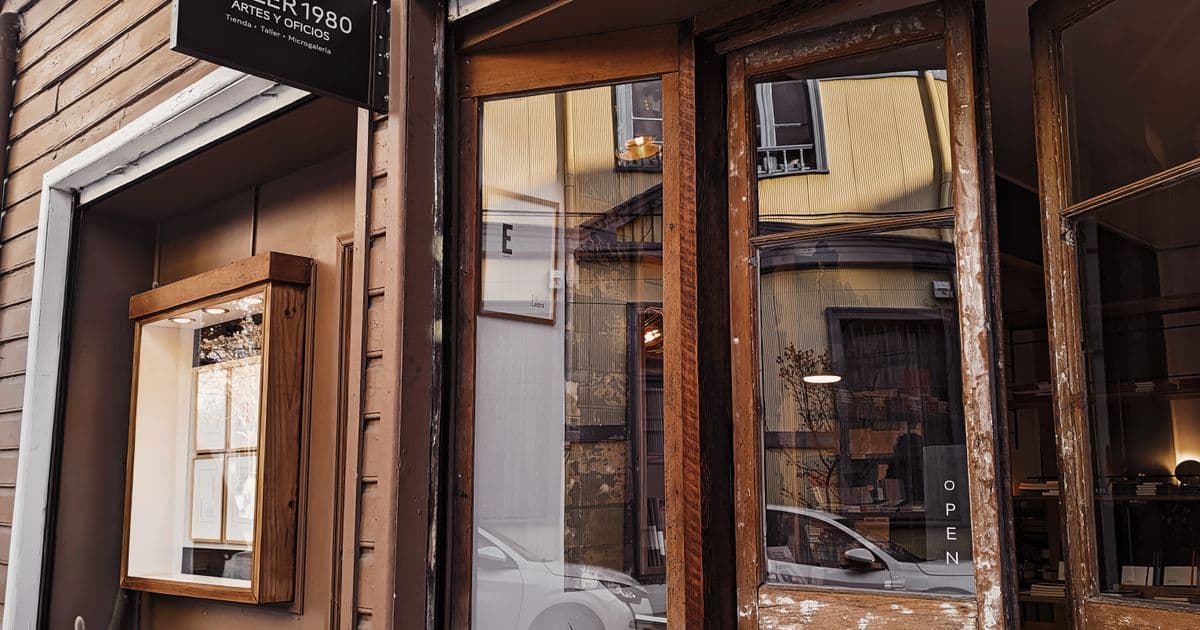
People searching on a phone often do not even read the results: they look at the map. If the pin is in the wrong place or the entrance is unclear, you lose people who were already on their way. Check the pin, add a photo of the front door and describe how to get in.
3. Pages on portals and platforms
Well written pages on domains Google already knows: the trade association listing, the town's tourism portal, your profile on an experience platform. Two advantages: they appear sooner than a brand new site would, and they state name, address and craft, exactly the signals local search needs. The catch is that they must be complete and different from each other: the same description copied onto eight portals helps nobody.
4. Social profiles
They almost always show up when someone searches your name and almost never when someone searches a craft plus a town. They work as confirmation (it exists, it is active, it has photos) rather than as a front door. Keep them tidy, with the booking link in the bio.
What to write so people find you
- The words customers use, not trade words. People search for pottery class, not coil building. Put the technical term later, in the description.
- The town and the area, spelled out. The municipality and the province or the neighbourhood: those are the words that appear in searches.
- What you do and what people take home. Two concrete lines beat a poetic paragraph: you throw a cup, you leave with the cup.
- Length, seats and price. The three pieces of information that decide, and whoever cannot find them looks elsewhere.
- Real photos of the studio. The hands, the bench, the light of that room. Generic photos are recognisable and they lower trust.
- Consistent hours and contacts everywhere. Name, address and phone always written the same way: a signal Google uses to tell it is the same business.
How long it takes, and what is not enough
A complete Google listing can start bringing calls within weeks. A new page on an already known domain gets indexed in days, but climbing the more contested searches takes months and a few inbound links. What is not enough on its own: opening the profile and never touching it again. Pages that never change and receive no links slide down, and your local competition is made of people who keep updating.
- Not enough to be listed on a portal: if the entry is empty, Google ignores it and so do customers.
- Not enough to have photos while hours and address are missing: local search runs on data, not only images.
- Not enough to appear: from the page there must be something to do, call or book, otherwise the visit turns into nothing.
The shopfront, on Handsome
On Handsome the Maker profile is free and gives you a public page for the studio plus one page per workshop, all indexable and written in Italian and English (useful where visitors come through). Booking happens on the same page: calendar, seats, automatic sold out, deposit online and balance at the studio, with the deposit landing directly in your Stripe account and 0% commission for Handsome, only Stripe's fees remain. It does not replace the Google listing: it sits alongside it, and it is the page you can point to from the listing, the bio and the sign in the window.
Frequently asked questions
- Can you be on Google without a website?
- Yes. The Google business listing is free and appears in local searches, and pages on portals or platforms get indexed like any other page. Your own site helps, but it is not the condition for existing.
- How long before you appear?
- For the Google listing, days for verification and a few weeks to see movement. For the contested searches (a craft plus a big city) it takes months and a few inbound links.
- A page on a platform or my own site?
- They are not alternatives. The platform page starts sooner because it lives on a known domain; your own site grows more slowly but stays yours. If you can, keep both and always point to the same place to book.
- Do reviews really help ranking?
- They count, along with listing completeness and proximity. They count most for the person reading: between two studios in similar positions, people pick the one with recent reviews and replies from the owner.
A page for your studio and your workshops, in Italian and English, with booking already built in.
Open your free shopfront