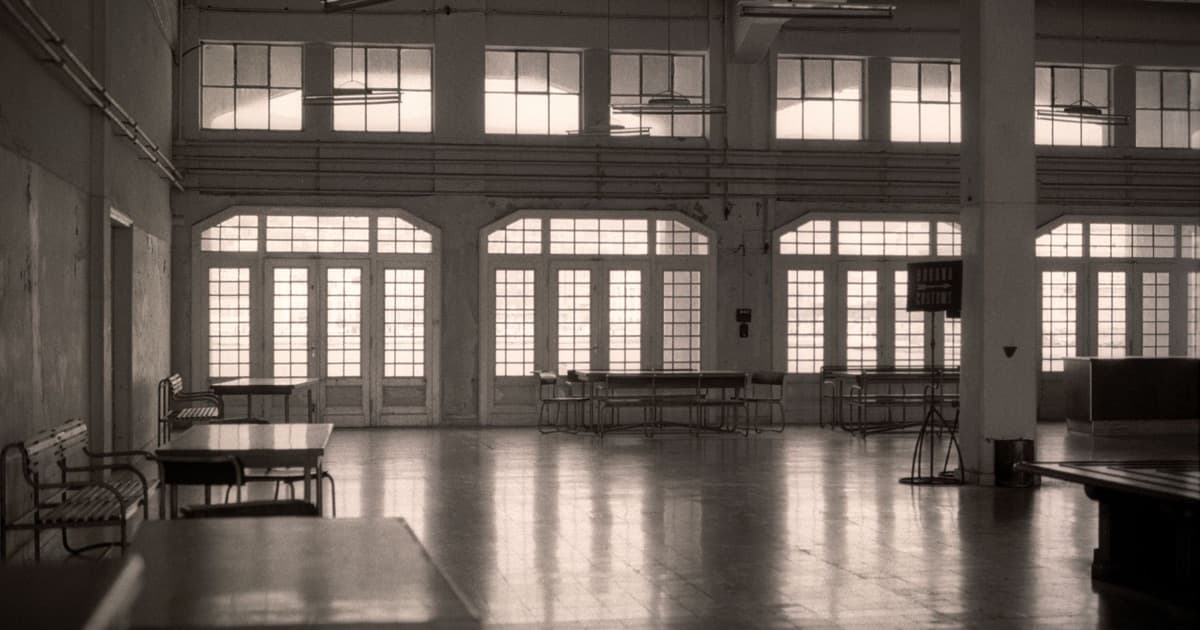

If you rent a space by the hour in Milan, your ticket price has to cover the share of the room that lands on every seat you actually sell, not on every chair in the listing. That is the line between a date that holds up and one that quietly costs you money. The hourly rate alone tells you nothing: what matters is the hours you pay for, the seats you fill, and what is left per person once materials are paid.
What you really pay when you rent by the hour in Milan
In Milan, hourly spaces are mostly rooms inside coworking hubs, event venues, showrooms and the occasional equipped workshop that opens up to fellow makers. The listing shows an hourly rate, but the final bill is a different animal: a minimum booking block, often longer than your workshop; set-up and clean-up time, billed as teaching time; a flat cleaning fee; a deposit; equipment and utilities; and a surcharge for evenings and weekends, which is exactly when people are free to come. Before the price, write down what your craft needs: water, air, power, floor space. The technical checklist we wrote for Bologna applies word for word in Milan.
- Location and metro stop: the same room is worth more a few steps from the metro, because people leaving the office pick a workshop partly by how they get home.
- Time slot: weekday after-work hours and Saturdays are the most requested, so the priciest and the first to go.
- Technical fit-out: a proper sink, a kiln or extraction change the price, but they also change what you can teach.
- Minimum block and how far ahead you book: the more flexible you are on timing, the more room you have to negotiate.
- Who cleans, who moves the tables, who is liable for damage: every service not included is a cost that turns up later.
Turning the room's cost into a cost per seat
The session cost is the hourly rate times the hours you book, not the hours you teach, plus every fixed extra. Divide that by the seats you realistically sell: the result is the share of rent every participant carries inside their ticket without knowing it.
The most common mistake is dividing by the room's capacity. On paper the cost per seat looks small; in practice, unsold seats pay nothing, and their share of the rent lands on the people who did book. A room that looks affordable when full becomes expensive at real attendance. For your first date, use the turnout of a rainy November evening: if the numbers work there, they work everywhere. From then on, use your real booking average, and pick the seats you put on sale with the method in how many seats to offer, not the chair count in the listing.
How many sign-ups you need to avoid running at a loss
The minimum number of sign-ups is the break-even point of a single date. First, add up the fixed costs of the session: the space with all its extras, an assistant if you have one, and the time you want to pay yourself for preparing and setting up. Then work out the margin per person: the ticket minus the materials that person uses, minus the piece they take home, minus payment costs. Divide the fixed costs by that margin and round up: below that number, the date should not open.
- Add up every fixed cost for the date, including your own preparation time if you choose to count it (you should).
- Work out the margin each participant leaves you, net of materials, consumables and payment costs.
- Divide fixed costs by the margin per person and round up: that is your minimum number of sign-ups.
- Compare the minimum with the seats you actually sell: if they are close, one cancellation puts you under.
- Set the threshold and say it out loud: the date is confirmed once the minimum is reached, and everyone who books knows it.
If the minimum is too high, you have two levers, and neither is a discount. The first is the ticket, which should reflect the value of the experience rather than the anxiety of filling the room: see how to set the right price. The second is the fixed cost: a shorter block of hours, a smaller room that is actually full, a space shared with another Maker who already owns the kiln and the extraction. Cutting the price just moves the problem to the next date. And keep a simple log of costs and margins so you never redo the sums by hand.
Starting in Milan without rent: alternatives to a fixed base
Hourly rental is not the only route, and for someone just starting it is often not the best one. Milan has plenty of places with a genuine interest in hosting you that don't think in hourly rates: the fixed cost drops or disappears, and the minimum number of sign-ups drops with it.
- Concept stores and independent shops: an evening in the shop after closing, in exchange for new customers, a share of the sign-ups or your products on their shelves. How to pitch it is in working with concept stores and local shops.
- Coworking hubs: meeting rooms sit empty in the evening and at weekends, and many coworking spaces look for events for their community. A workshop open to their members is content for them and an audience for you.
- Host workshops: a ceramicist with a kiln, a woodworker with extraction, a tailor with sewing machines have equipment you lack and days when the space sits idle. It is the formula with the best numbers, and it grows out of building a network with other Makers.
- Clubs, associations and neighbourhood spaces: they think in projects, not rates. Ask whether a paid activity is allowed before you publish the date.
- The client's home or office: for private groups and team building, whoever books provides the space. Worth it when the group pays for the travel, not as a favour.
Whatever formula you pick, put three things in writing before the first date: who opens and locks up, who is liable for damage to people and property, and what happens if the minimum is not reached. A verbal deal with a shop is as fragile as a paid room sitting empty. Once your dates fill up regularly, hourly rental comes back into play, with real figures in hand and a far easier negotiation.
Frequently asked questions
- How much should the ticket cost if I rent a space by the hour in Milan?
- It has to cover the space cost per seat calculated on the seats you really sell, plus each participant's materials, plus your time. The figure shifts with location, time slot, fit-out and minimum booking block, so you start from the full session cost and work down to the ticket, never the other way round.
- How many sign-ups do I need to avoid a loss?
- Add up the fixed costs of the date (space with extras, assistant, preparation time) and divide by the margin each participant leaves after materials and payment costs. Round up: that is your minimum, and below it the date should not be confirmed.
- Should I divide the room's cost by its capacity?
- No. Unsold seats pay no rent, and their share lands on the people who show up. Work out the cost per seat on realistic attendance: cautious for the first date, based on your real average from then on.
- Can I run workshops in Milan without renting anything?
- Yes. Concept stores after closing, coworking rooms in their empty hours, other Makers' workshops on idle days, association spaces, and clients' homes for private groups. In return you offer an audience, sales, a share of sign-ups or a swap of services.
- How do I handle a date that is confirmed only once the minimum is reached?
- Publish the date with the threshold stated, take bookings online, and announce confirmation or cancellation in good time. With Handsome, refunds are handled by the platform, and each date's takings and attendance stay tracked in your dashboard.
Online bookings and payments, attendance for every date under control, no commission on workshops
Publish your first date on Handsome