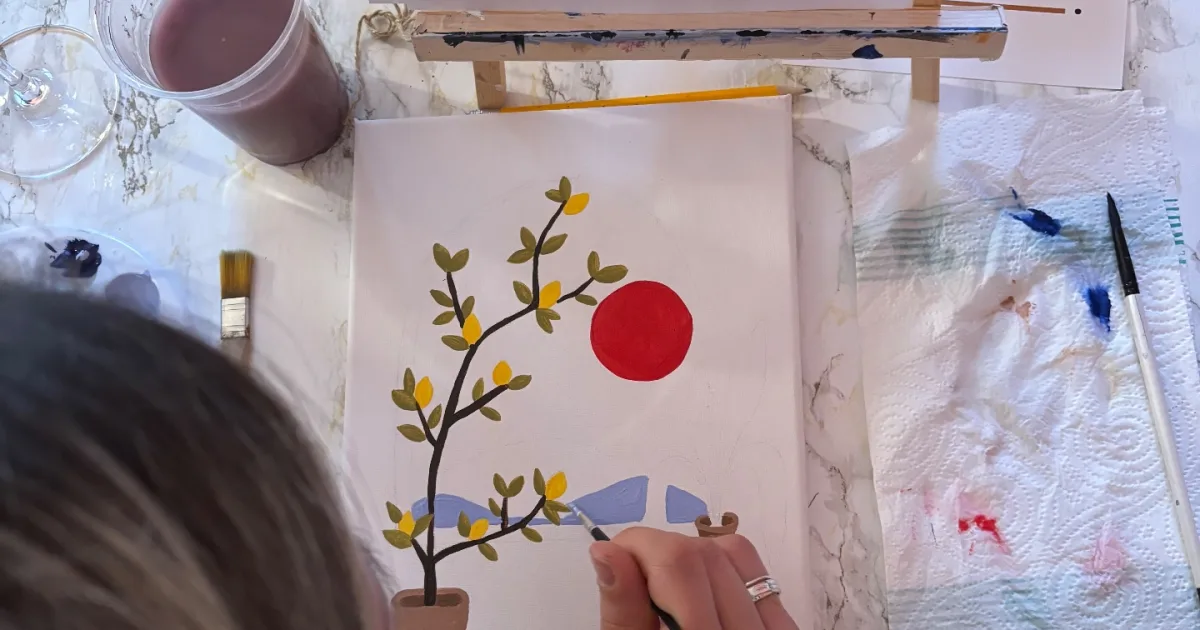
You don't need to be able to draw to do a creative workshop. In many techniques, from ceramics to candles, from macramé to jewellery, your hands matter more than a pencil: the material and the Maker guide the shape, one step at a time. To start, choose a workshop with the level «For everyone» or «From scratch», which on the workshop page means no experience needed.
In short
- Do I need to be able to draw to do a creative workshop?
- No. Many hands-on techniques don't start from a drawing: you shape clay, knot threads, pour wax, string beads.
- How can I tell if a workshop suits a complete beginner?
- Check the level on the workshop page: «For everyone» and «From scratch» mean no experience needed. «Some practice» is for people who have already tried.
- Which is the easiest technique to start with?
- The one that intrigues you. If a blank page freezes you, start with a technique where the material guides your hands: candles, macramé, beads, clay.
- What if I don't like the result?
- It happens, and it's part of it: a first piece is a first piece. It's yours, imperfections and all, and it's often the one people grow most fond of.
‘I'm not creative’ is one of the most common objections from people who have never booked a workshop. Often it means something else: ‘I was bad at drawing at school’. But drawing is only one form of working with your hands, and in many workshops it isn't even the starting point.
Being creative doesn't mean being able to draw
In a workshop, creativity lies in small, concrete choices: the colour of a glaze, the scent of a candle, the order of the beads, how tight to pull a knot. Anyone can make these decisions, and the Maker is there precisely to show you how to do the rest.
Research says so too. In 2016 a team at Drexel University in Philadelphia measured cortisol, the hormone linked to stress, in 39 adults before and after 45 minutes of drawing, clay or collage. Almost half had little art experience, and previous experience made no significant difference to the results: those who weren't ‘good at it’ did no differently from everyone else.
Where to start: techniques where drawing isn't needed
Here are five disciplines that suit people starting from scratch, depending on what's holding you back:
| If you think… | Try | Why it helps |
|---|---|---|
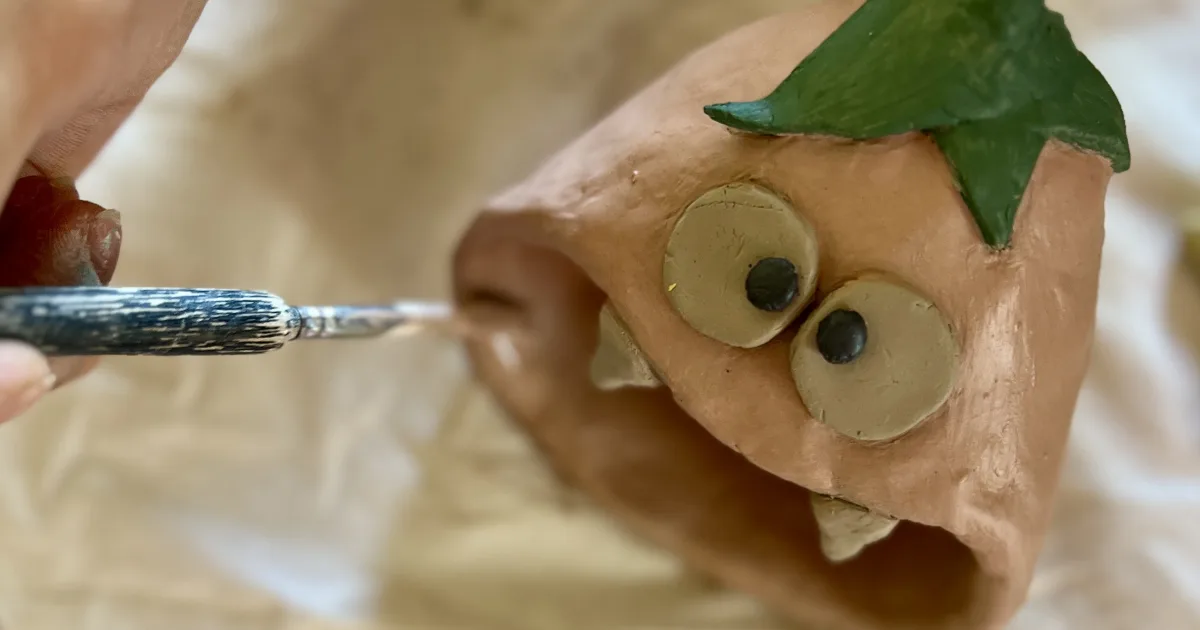
| ‘I can't draw’ | Ceramics | The shape is built with your hands, one step at a time, by hand or on the wheel. |
| ‘I've got no imagination’ | Candles and cosmetics | You choose the wax, colour and scent: the creativity is in the choice, the rest is a method. |
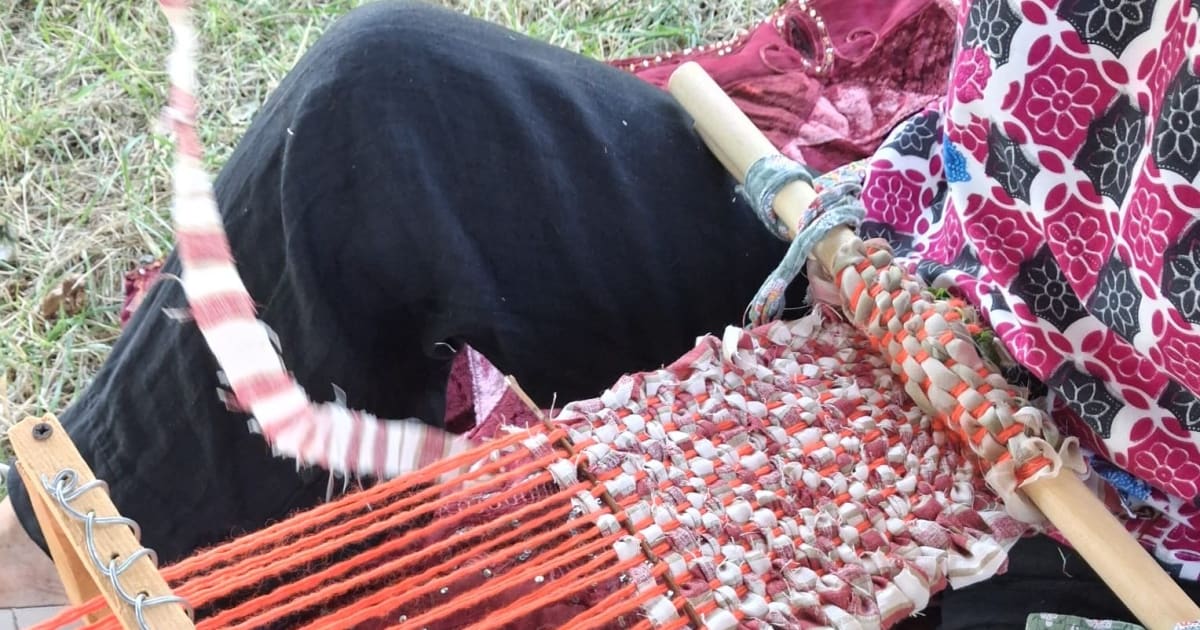
| ‘I'm hopeless with colours’ | Textiles | In macramé, embroidery and weaving the pattern grows out of repeating a movement. |
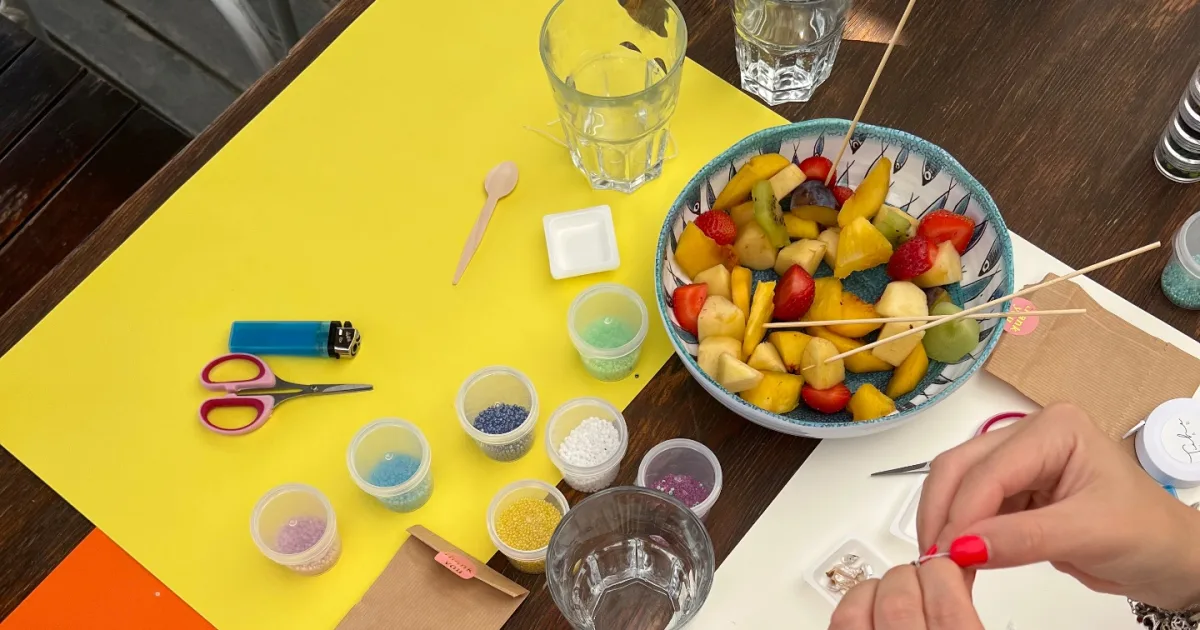
| ‘I'm afraid of ruining everything’ | Jewellery | Beads slide off and go back on: a mistake is fixed in a moment. |
| ‘I've got no patience’ | Cooking | You follow a recipe, see the result straight away and taste it at the end. |
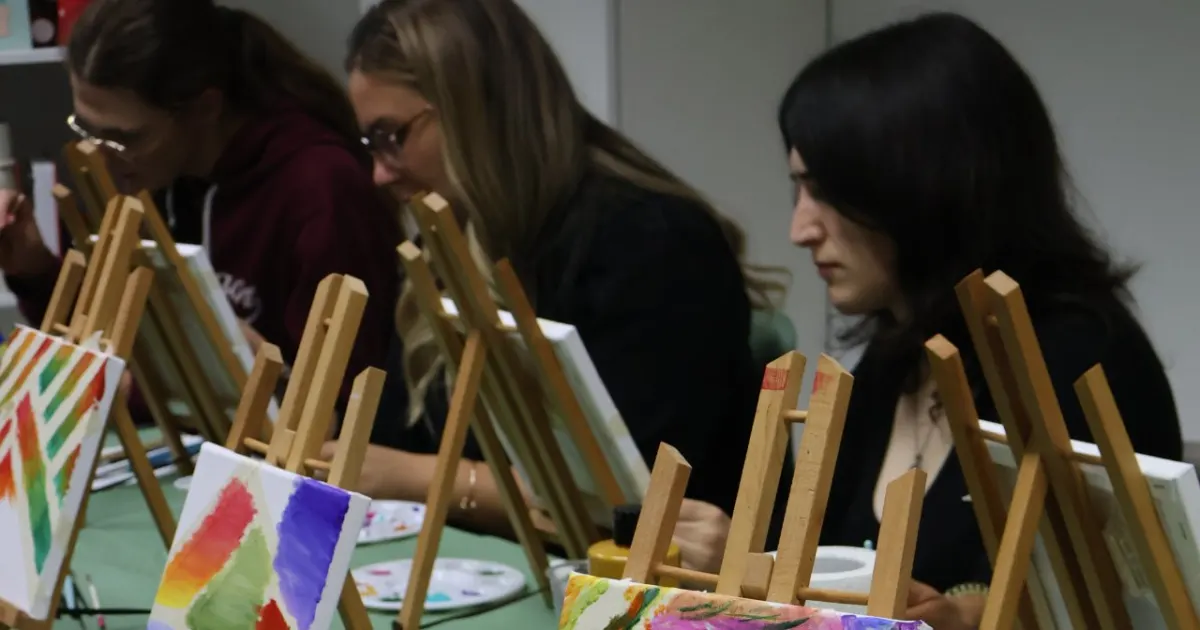
And what if, deep down, painting is exactly what you'd like to do? You can start there too: there are courses designed for people who have never held a brush, as we explain in our guide to painting and watercolour on the Riviera.
How to read the workshop page if you're starting from scratch
- The level: «For everyone» or «From scratch». On the more recent pages, under «In a nutshell», the «Who it's for» line spells it out: «For everyone, no experience needed».
- How it goes: 3 to 5 steps, each with its own length. It shows you in advance what you'll do and in what order.
- What you'll learn: a list, one item per line. It's the quickest way to see whether the workshop teaches a technique or has you decorate a ready-made piece: both are fine, as long as you know.
- What you'll take home: the finished object and when you collect it. Knowing in advance what you'll end up with is more reassuring than any promise.
Three mistakes to avoid
- Choosing the easiest technique instead of the one that intrigues you. If ceramics appeals to you, start with ceramics: curiosity helps more than ease.
- Comparing yourself with the person at the next table. Everyone has their own pace, and some are there for the second time while others are there for the first.
- Expecting a shop-window result. On your first attempt you learn the movement; precision comes with the times after.
Frequently asked questions
- Can I go on my own even if I'm not creative?
- Yes: you can book a single place, with a €10 deposit. You pay the rest to the Maker on the day of the workshop.
- Are there workshops suitable for children too?
- Some, yes: in that case the workshop page says «Also suitable for children», sometimes with the age range and a dedicated price.
- If I then don't feel up to it, can I cancel?
- Yes: for group workshops cancellation is free up to 3 days before and your deposit is refunded in full. For private workshops the deadline is 7 days.
Filter by discipline and city. Book with €10 per place and pay the rest on the day of the workshop.
Choose your first workshop