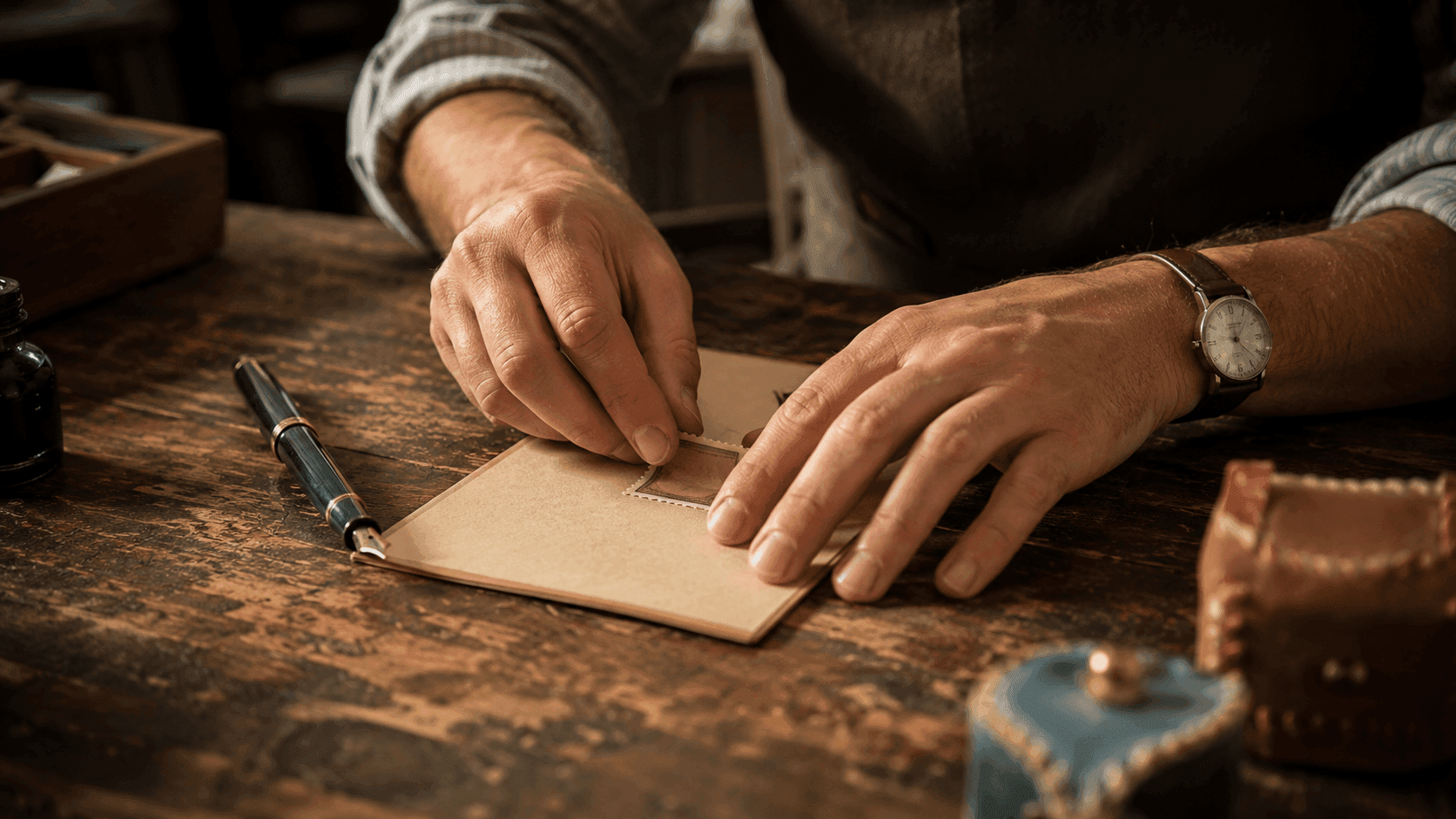
It's one of the most frequent questions among those starting to issue receipts: "do I need the stamp duty?". Short answer: yes, a €2 stamp, but only if the amount exceeds €77.47. The long answer, with all the practical cases, is below. (As always: an informational guide; for your situation, confirm with your accountant.)
The €77.47 rule
The €2 stamp duty applies to VAT-free documents whose amount exceeds €77.47. This odd-looking threshold is the euro legacy of the old 150,000 lire. It applies to:
- Occasional-work receipts (which have no VAT) above €77.47.
- Flat-rate (forfettario) invoices (also VAT-free) above €77.47.
- In general, any document with a non-VAT amount above that threshold.
Translated to your workshops: a €60 receipt does not need the stamp; a €90 receipt does. If you run a group workshop and issue a single €120 receipt, the stamp is needed. If instead you issue separate receipts each under €77.47, generally it isn't (but don't artificially split a single fee just to dodge the €2: it's a trick not worth the trouble).
Who pays the stamp duty?
Formally the duty is owed jointly by both parties, but the one who physically applies it is whoever issues the document: you. That said, it's common and legitimate practice to charge it back to the customer, stating it on the receipt (e.g. "€2 stamp duty charged to the client"). On workshops, where the customer is a private individual, many artisans prefer to absorb the €2 to keep payment simple: it's your call, the amount is small.
How to apply it, in practice
You have two routes:
- Physical stamp: you buy the €2 stamp at a tobacconist, apply it on the paper original of the receipt and cancel it (with a date or signature across it). The customer's copy reports the stamp details.
- Virtual stamp: for those using electronic invoicing, the duty can be settled "virtually", stating on the invoice "stamp duty settled virtually" and paying it via the F24 form. It's the typical method for flat-rate sellers who invoice electronically.
On the date of the physical stamp there's a rule to remember: the stamp must bear a date equal to or earlier than the receipt's. Buy it before issuing the document, not after. The legal reference is Presidential Decree 642/1972 on stamp duty; for up-to-date clarifications the reference is always the Italian Revenue Agency.
And on Handsome?
On Handsome the workshop receipt always belongs to the artisan (you provide the service), and the system helps you generate it with the correct data. The stamp duty, when due by amount, remains your obligation: but knowing the €77.47 threshold in advance avoids nasty surprises. Keep track of your fees and apply the stamp when needed: it's a small formality, the point is not to forget it.
Frequently asked questions
- When do you put stamp duty on a receipt?
- When the document is VAT-free and the amount exceeds €77.47. It applies to occasional-work receipts and flat-rate invoices. Below €77.47 it isn't needed. The stamp amount is €2.
- Do I pay the stamp duty or the customer?
- The duty is owed jointly, but it's applied by whoever issues the document. It's legitimate practice to charge it back to the customer by stating it on the receipt; many artisans on workshops prefer to absorb the €2 for simplicity. It's your choice.
- Can I use the virtual stamp?
- Yes, if you issue electronic invoices: the duty is settled virtually with a note on the invoice and payment via F24. For paper receipts you use the €2 physical stamp, dated equal to or earlier than the receipt.
Workshop receipt pre-filled with your data. 0% commission, free profile.
Manage receipts and workshops in one place