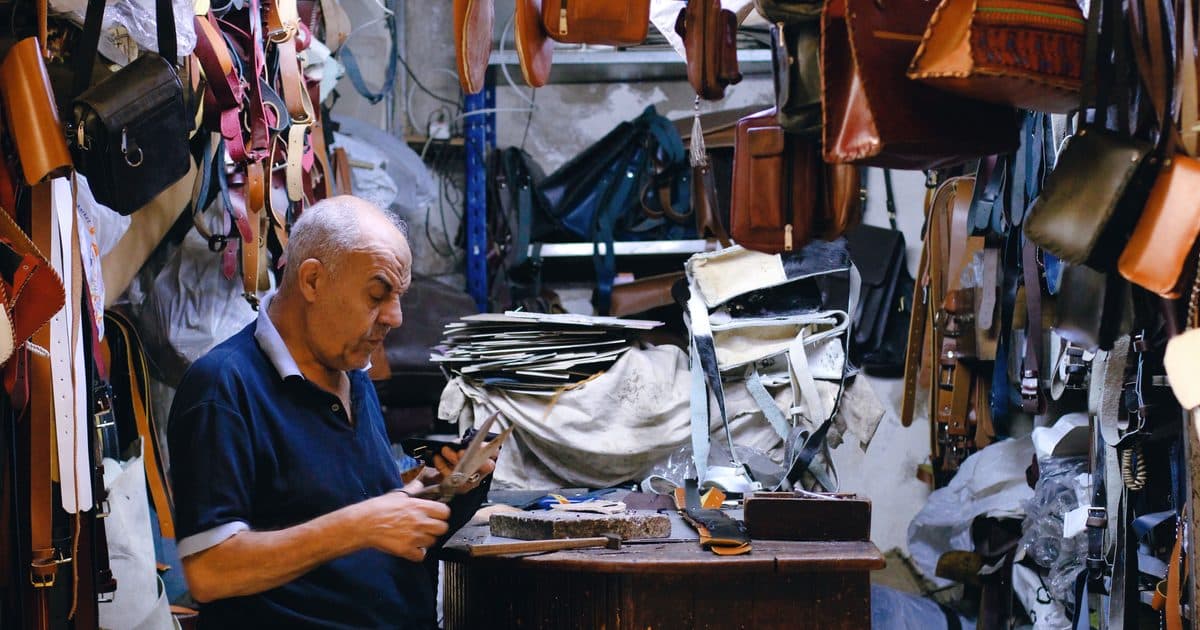
If you run a leather workshop in the Fermo area, the most direct way to add income without cheapening your craft is to turn the district's know-how into a workshop for tourists and enthusiasts: in half a day a person stitches a wallet or a clutch alongside you, takes home a real object and pays for your skill, not for your materials by the metre. The Fermo-Macerata footwear district is one of the most important footwear and leather hubs in Italy and Europe, and that reputation is a magnet for visitors you can start capturing today.
Fermo, Montegranaro and Sant'Elpidio a Mare are not just any place where leather is worked: they are the heart of a district that produces a significant share of made-in-Italy footwear and has supplied the world's luxury brands for decades. Anyone arriving here — for the coast, the outlets, a weekend in the Marche — already links the name to leather and shoes. You don't have to build that story from scratch: you just have to tell it and make it touchable.
A tourist passing through Fermo or the Adriatic coast has time, curiosity and the wish to take home something they won't find in a souvenir shop. A small-leatherwork workshop is exactly that "something": memorable, rooted in the place, and with a perceived value far higher than the cost of the material.
- Ready-made narrative: the district's name does half your marketing for you.
- Steady tourist flow: the Adriatic coast in summer, hill towns and outlets in the shoulder seasons.
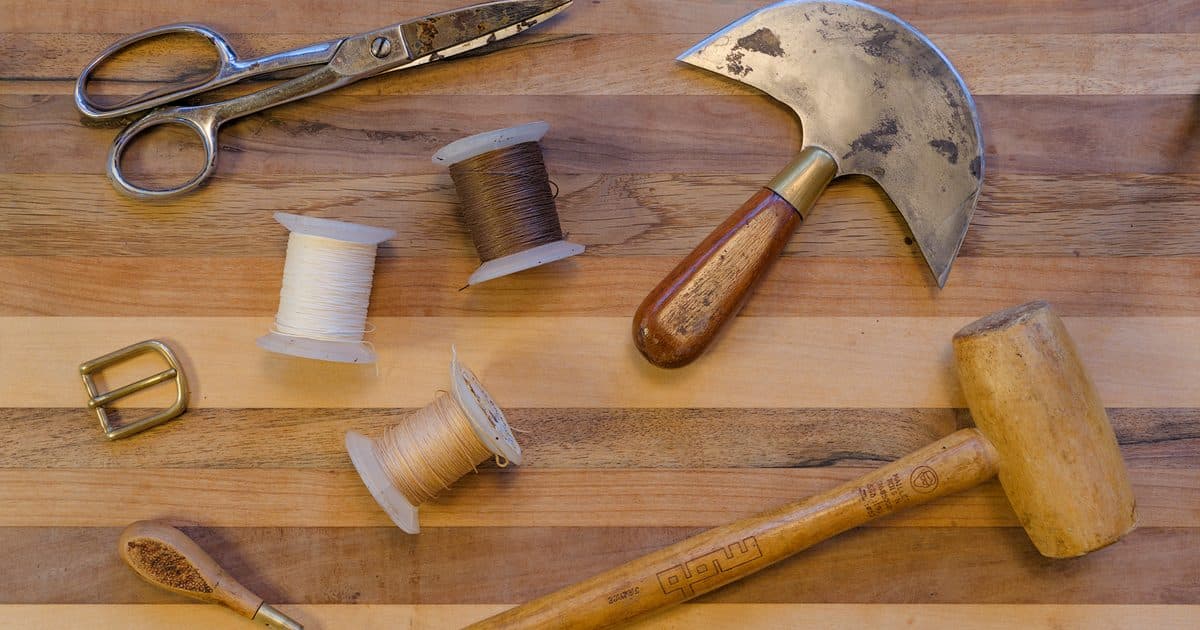
- Raw material and skill in-house: you have dies, leather, machines and hands that know what they're doing.
- No experiential competitors: almost nobody in the district sells the *know-how* yet — everyone sells the finished product.
Start with small leatherwork: it's the perfect format for someone who has never held a saddler's needle. In 2-3 hours a participant makes a real, finished object without complex machinery. The offers that work best:
- Hand-stitched wallet or card holder (saddle stitch): the icon object, universal, great as a gift.
- Clutch or pouch: more feminine, huge potential on Instagram and for hen parties.
- Leather keyring or bookmark: an affordable entry level, perfect for families with older children and for groups.
- Personalised strap or small accessory: hooks anyone who wants a bespoke item with their own initials.
Distinguish two audiences. The curious tourist wants a short, relaxing, Instagrammable experience: sell them the atmosphere of the workshop, the smell of leather, the district's story. The enthusiast wants technique: offer them a longer course on the saddle stitch or on edge finishing. They are two products at the same workbench.
The most common mistake is pricing at the cost of the material. A few euros of leather must not set the price: the client pays for your hands, your years of craft and one unrepeatable hour inside a real workshop. Think in tiers:
- Base experience (2 hours, keyring/card holder): an introductory tier, ideal for families and first contact.
- Wallet workshop (half day): your flagship product, with better margins.
- Couple or private-group package: a higher per-person price justified by the exclusivity of having the workshop to themselves.
- Combo with the area: partner with a winery, a restaurant or a Fermo guide and build a "morning in the workshop + lunch" package.
Position yourself clearly: craft, not industry. The district is famous for big numbers, but your experience sells the exact opposite — the slowness, the single gesture, the one-off piece. It's precisely this contrast that justifies the price and makes your workshop impossible to replicate elsewhere.
Having the workshop ready isn't enough: you need to put yourself in front of people who are already in the area. A few concrete levers:
- Publish on an experiences platform: anyone searching for "things to do in Fermo" or "things to do in the Marche" should find you. Your workshop enters a showcase tourists already visit.
- Partner with accommodation: leave a workshop flyer in coastal hotels, farm stays and B&Bs; the concierge who recommends you fills your empty dates.
- Connect with tourist offices and pro loco associations: the municipality of Fermo and local promotion channels look for authentic experiences to suggest to visitors.
- Tell the district's story on social media: a 30-second video of you stitching by hand is worth more than ten photos of the finished product.
If you want to better understand what makes an experience sellable, read what an artisan workshop is: it helps you set duration, promise and price the right way from the very first date.
You're not alone: across the region there are Makers turning a district craft into experiences for tourists. You can borrow ideas on format, price and storytelling from people who work different materials with the same territorial logic:
- The paper craft of Fabriano, selling the thousand-year story of paper.
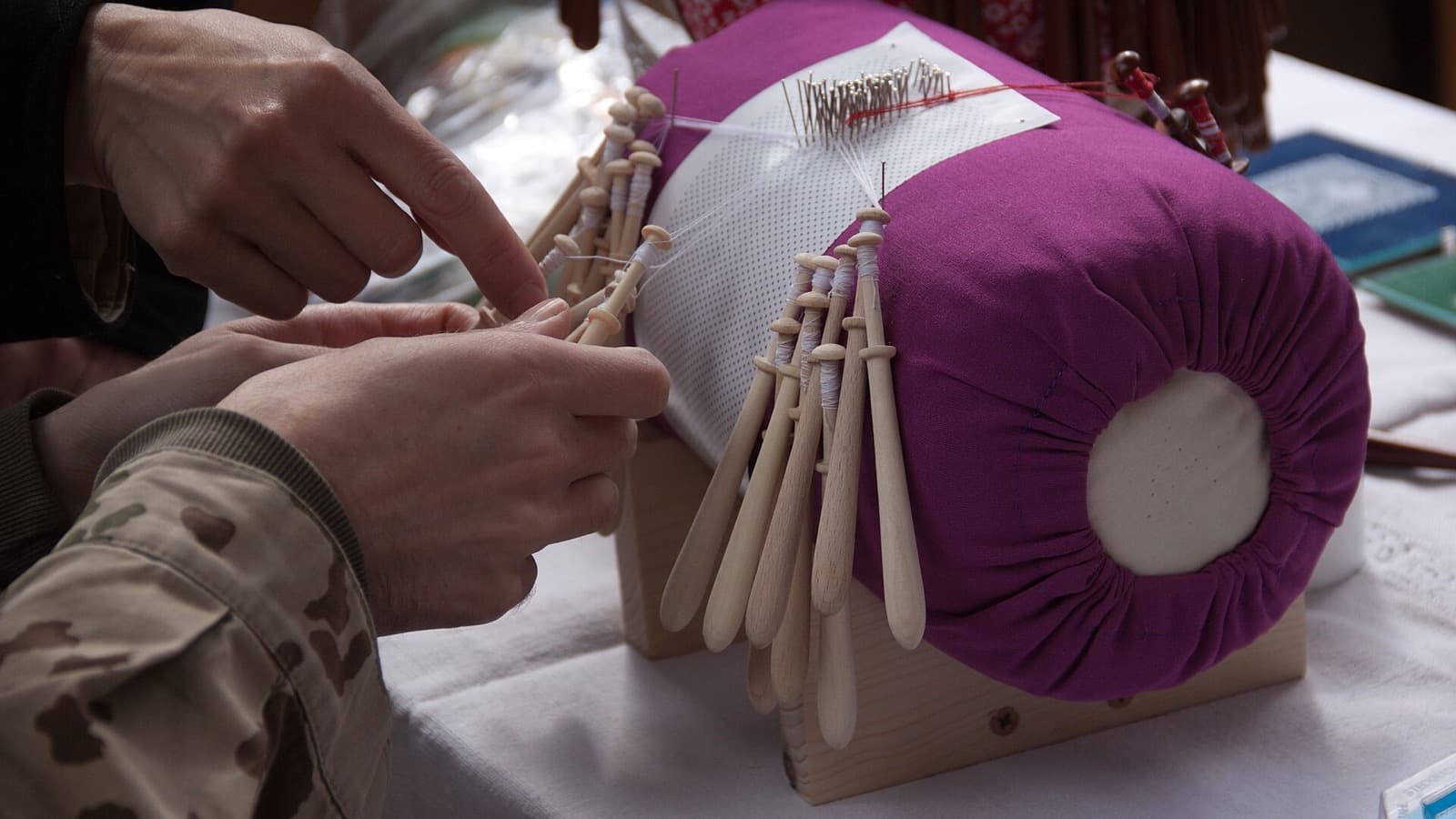
- The bobbin lace of Offida, capturing visitors to the hill towns.
- The ceramics of the Duchy of Urbino, leveraging the Renaissance heritage.
You can see how other Makers present themselves on the artisans on Handsome page: look at how they describe their experiences and use those ideas for your own listing.
Frequently asked questions
- I've never taught: can I really run a workshop?
- Yes. You don't need a classroom method: you need to show the gesture you make every day. Start with 2-4 people and a single simple object like a card holder, and refine your rhythm after the first few dates. The tourist wants your authenticity, not a perfect lesson.
- How much time does it take away from production?
- Not much, if you organise it in fixed slots. Many Makers dedicate one morning or afternoon a week to workshops, often in the shoulder seasons when production slows down. It's extra income that fills the gaps in your calendar, not a second job.
- How will tourists find me if my workshop is outside Fermo?
- By publishing the experience on a platform tourists already check and leaving material in coastal accommodation. Distance matters little: someone looking for an authentic experience is willing to travel a few kilometres to step into a real workshop.
- How much can I earn per person?
- It depends on the object and the duration, but the principle is to sell the skill and not the leather: the margin on a well-positioned workshop is far higher than on the finished product. On Handsome you get paid with 0% commission, so the experience revenue stays yours.