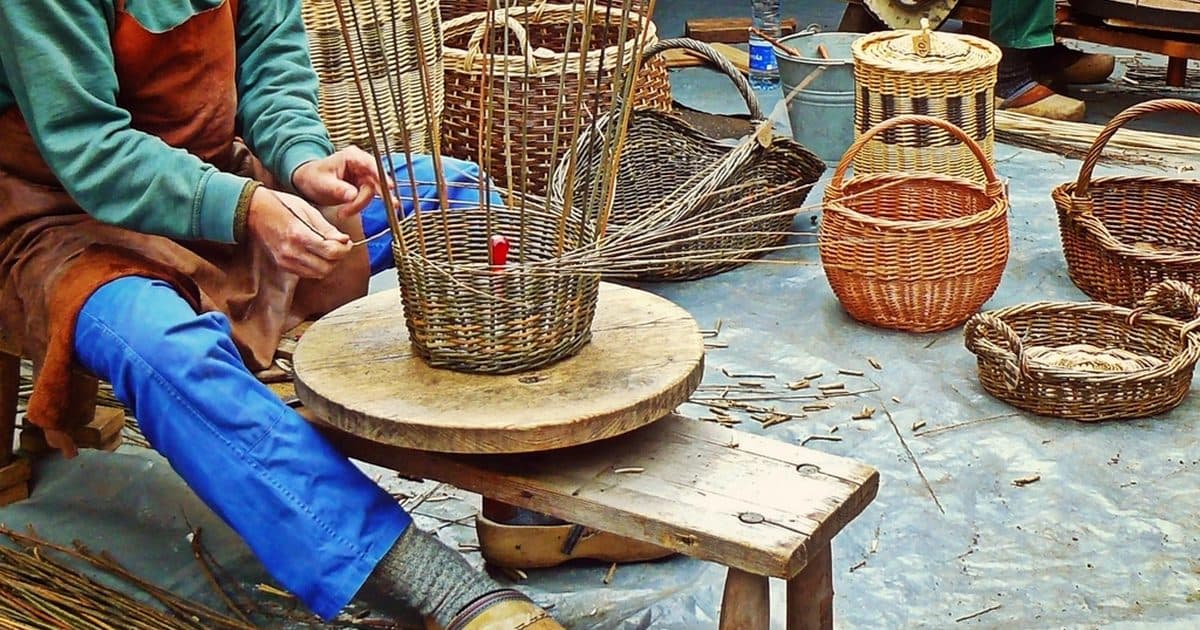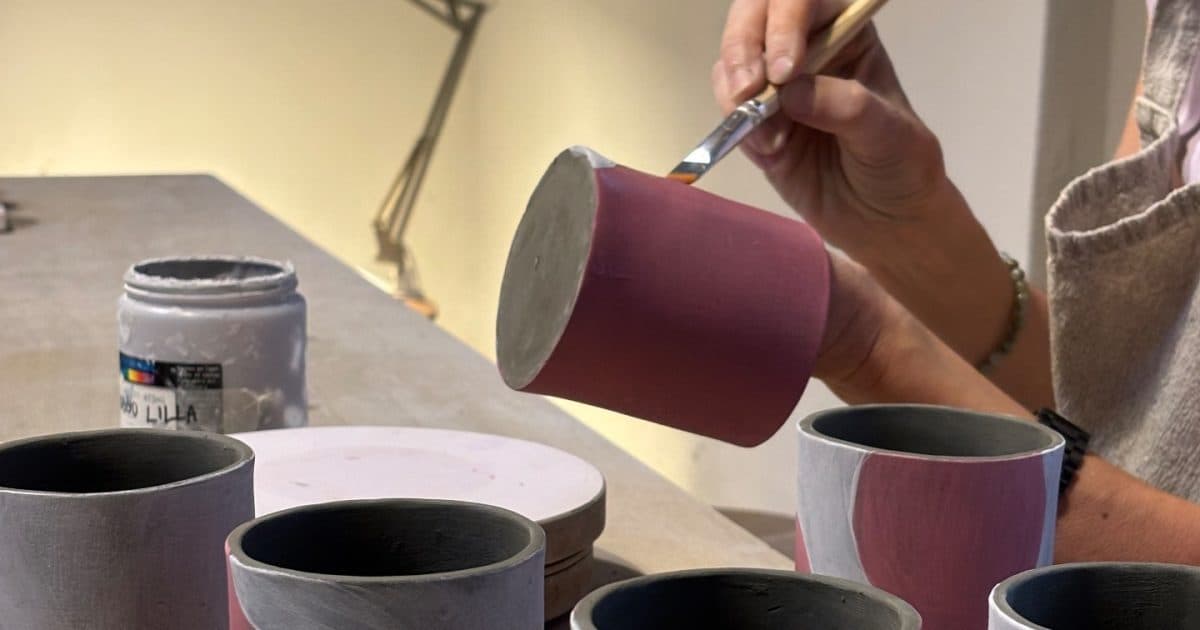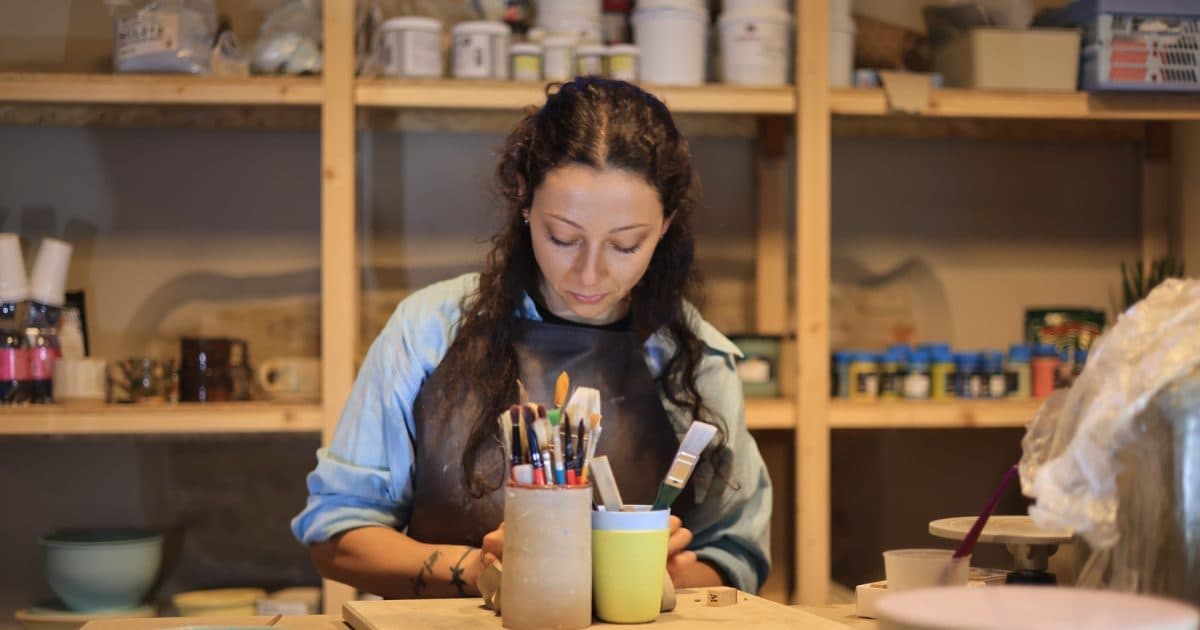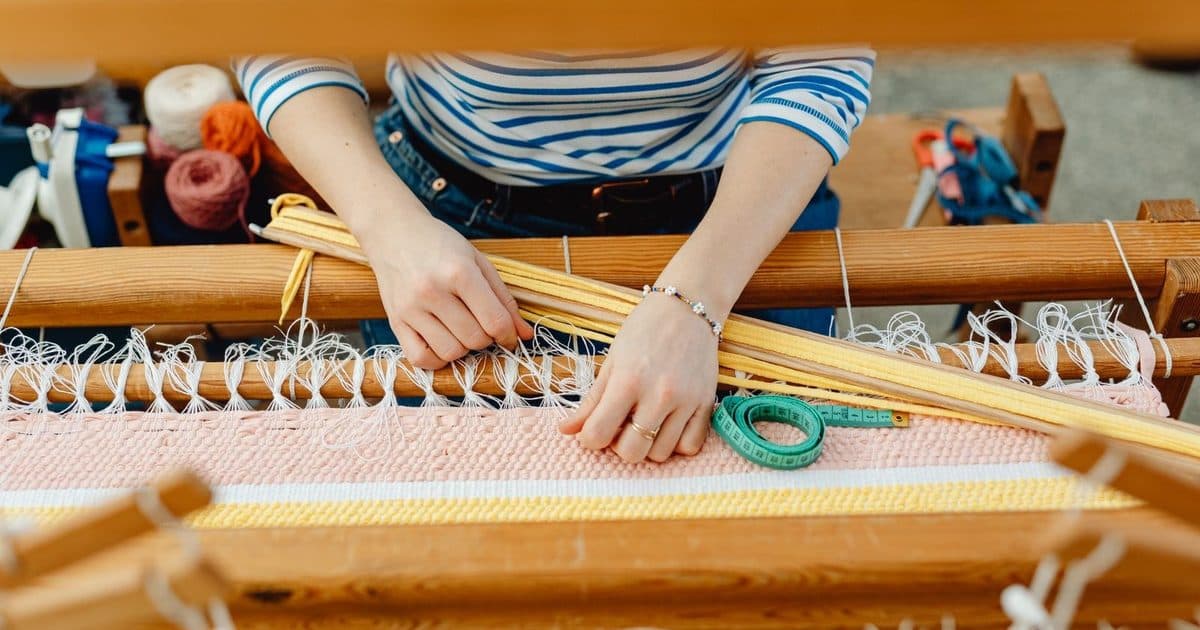
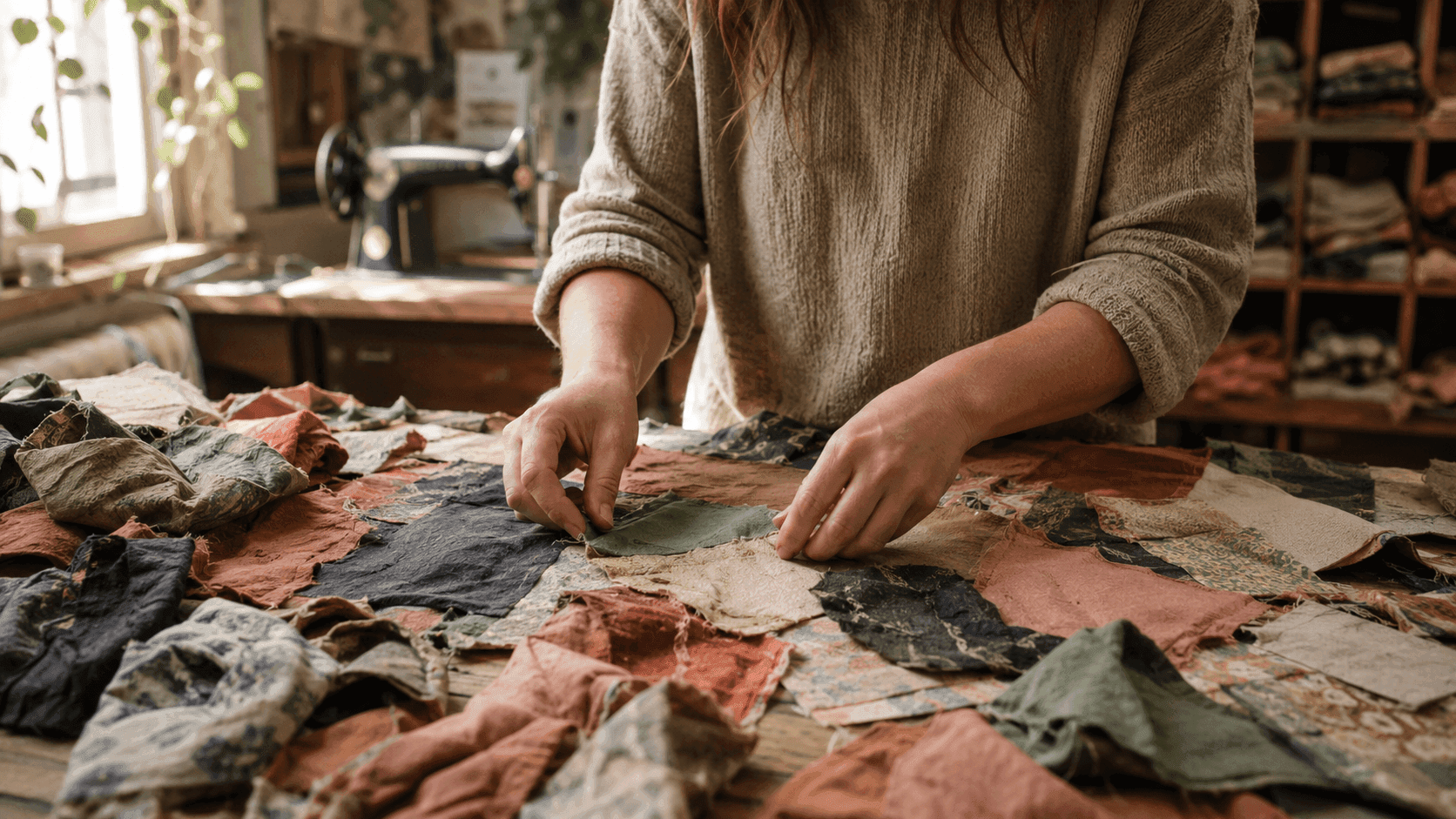
The experiential tourist of the '20s isn't the one of the '10s. Today a growing share of workshop attendees explicitly asks: 'what is it made of?', 'is it from a scrap?'. It's not a passing trend — it's a value shift that rewards artisans who've done their homework. This guide shows you how to turn scraps into raw material without compromising final quality.
Where to find quality scraps (free or nearly)
- Local tailors: new textile cutoffs (small pieces, great for macrame, patchwork)
- Furniture makers: wood offcuts (small objects, cutting boards, coasters)
- Glass factories: post-production cullet (for fusing, mosaic, jewelry)
- Tanneries: leather scraps (for small leather goods — keychains, bookmarks)
- Print shops: paper waste (for binding, marbling, scrapbooking)
Which crafts win and lose with scrap material
Excellent for recycling: textile, leather small goods, glass mosaic, paper. Better with new materials: ceramics (food-safe), metal jewelry (skin safety), cosmetics (chemical stability).
Pricing
Sustainable workshops priced EQUAL or slightly HIGHER than standard. Teaching time is the same, the final object has a story. Don't discount because 'it's scrap' — add 5-10 EUR as 'ecological premium'.
Sign up free on Handsome
On Handsome you can publish a sustainable workshop filtered for eco-conscious audience: 0€ subscription, 0% commission, 100% deposit to artisan. Registration is completely free: 15 minutes to have your profile online.
Frequently asked questions
- Does scrap create insurance liability problems?
- No, professional liability covers the workshop regardless of materials used. Check the dedicated article on insurance for details.